Written by Ayu Pratiwi
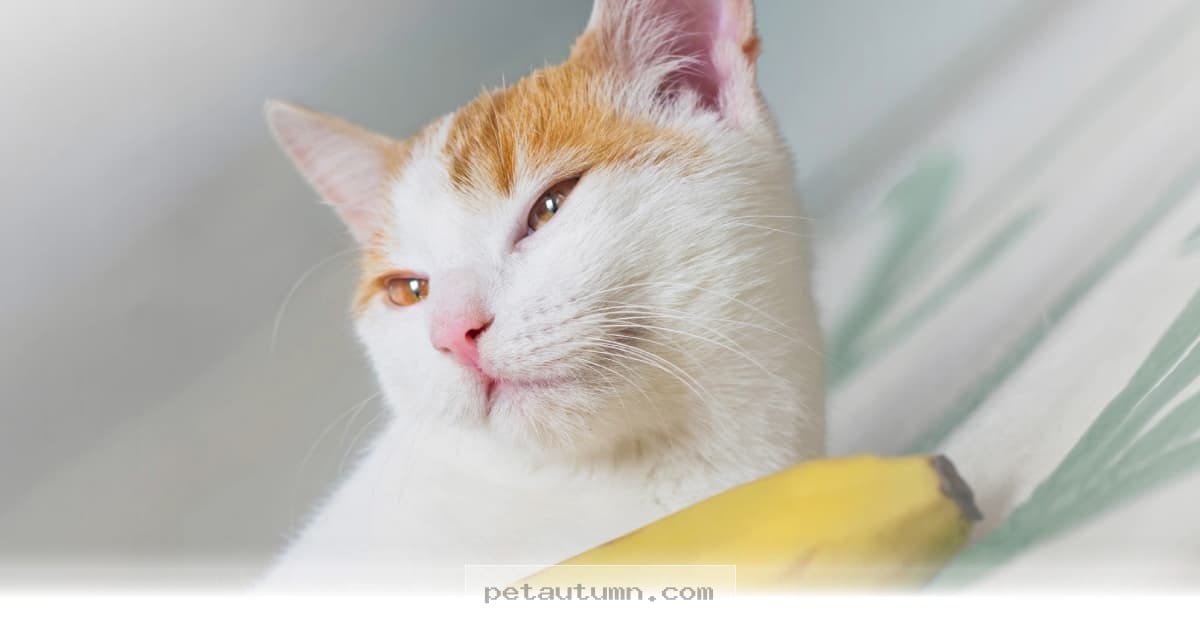
Cats are naturally curious creatures who often want to sample whatever you are eating for breakfast. If you are enjoying a morning smoothie bowl or a sliced banana, your feline friend might trot over to investigate the scent.
You might wonder if it is safe to share a little piece of that yellow fruit with your pet. While bananas are not poisonous to cats, they are not exactly a nutritional powerhouse for them either.
Key Takeaways
- Bananas are not toxic to cats, but they offer no significant health benefits.
- Cats are obligate carnivores that require meat-based nutrition to stay healthy.
- High sugar content in fruit can cause digestive upset in your feline.
- Always peel the fruit completely, as the skin poses a serious choking hazard.
- Treats, including fruit, should never exceed 10 percent of your cat’s daily calories.
Understanding Feline Dietary Needs
Cats have very different nutritional requirements than humans or even dogs. Because they are obligate carnivores, their bodies are designed to process animal proteins and fats.
They do not possess the sweet taste receptors that we have. Your cat likely shows interest in a banana because of its soft texture or your personal attention rather than the actual taste.
1. Are bananas safe for your cat?
Technically, your cat can eat a tiny slice of banana without immediate danger. However, this does not mean it should be a regular part of their feeding schedule.
Most cats will be perfectly fine with a small nibble, but moderation is the absolute golden rule here. Always ensure you are only offering the soft, inner fruit after removing every bit of the peel.
2. Risks of feeding fruit to cats
While the fruit itself is non-toxic, there are several reasons to be cautious about what you share. Cats have sensitive digestive tracts that are not built for high-fiber or high-sugar plant matter.
- Vomiting after consumption
- Diarrhea or loose stools
- Loss of appetite
- Lethargy or sluggishness
- Bloating or abdominal discomfort
3. The dangers of banana peels
You should never allow your cat to play with or eat a banana peel. The texture is extremely tough for a cat to break down during digestion.
If a piece of the peel is swallowed, it can easily lead to a physical blockage in the digestive tract. This is a medical emergency that often requires professional intervention at an animal hospital.
Comparison of Common Human Foods
It helps to look at how different human foods stack up regarding feline safety and nutritional value. The following table provides a quick reference for common household snacks.
| Food Item | Safety Status | Recommendation |
|---|---|---|
| Cooked Chicken | Safe | Excellent protein source |
| Bananas | Caution | Small bite only occasionally |
| Grapes/Raisins | Toxic | Do not feed under any circumstances |
| Banana Bread | Warning | High fat and sugar; harmful |
Understanding these differences helps you make informed choices that prioritize your cat’s long-term wellness.
Why You Should Avoid Banana Bread
You might think a piece of homemade banana bread is harmless, but it is actually quite risky. These recipes typically contain high amounts of sugar, butter, and processed oils.
Many recipes also include ingredients that are dangerous for pets, such as raisins or artificial sweeteners like xylitol. Stick to plain, meat-based snacks to keep your cat safe and happy.
Better Alternatives for Your Cat
If you want to give your cat a special reward, there are much better options than fruit. You can provide high-quality treats that align with their biology.
- Small pieces of boiled, unseasoned chicken breast
- Commercially prepared freeze-dried meat treats
- Small bits of plain, cooked turkey
- Catnip-infused natural toys
Always check the ASPCA list of toxic plants and foods to ensure you are not accidentally offering something harmful. Proper nutrition is the foundation of a long and vibrant life for your furry companion.
The information on petautumn.com is for general informational purposes only and does not constitute veterinary advice. Pet health needs vary by breed, age, and individual condition. Always consult a licensed veterinarian before making decisions about your pet’s health, diet, or medical treatment. Pet Autumn is not affiliated with any veterinary organization, pet food manufacturer, or breeder.
While it is sweet that you want to share your snacks, your cat will be much better off with a diet specifically formulated for their needs. Keep the bananas for your own breakfast and reach for a protein-packed treat when you want to show your cat some extra love.
Your cat depends on you to make the right choices regarding their daily intake. By sticking to high-quality cat foods, you help prevent unnecessary stomach issues and ensure your pet stays in peak condition for years to come.

Dog care writer at petautumn.com. Visual Communication Design graduate (S.Ds) from Universitas Udayana. Covers dog breeds, behavior, training, and gear reviews. Dog dad to Meepo. Based in Austin, Texas.