Written by Kadek Darma
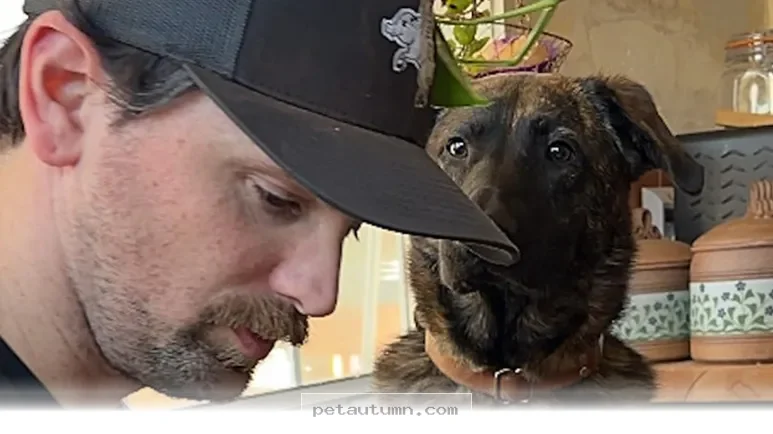
The journey of finding a forever home is rarely a straight line for rescue dogs. Junie, a sweet pup who spent far too long moving between foster homes, knows this reality better than anyone else.
Being the last of her litter meant she watched all her siblings head off to their new lives while she waited for her own turn. Watching a resilient soul finally land in the right spot is a beautiful reminder of the power of patience and love.
Key Takeaways
- Rescue dogs often need extra time to decompress and build trust in a new environment.
- The "last puppy" syndrome is common, but these dogs often form the deepest bonds with their eventual owners.
- Consistency and a predictable routine help anxious dogs feel safe and secure.
- Choosing a pet is a two-way street; observe your dog’s body language to see how they connect with you.
- Foster-to-adopt programs provide a wonderful way to ensure the perfect personality match before finalizing an adoption.
The Journey of the Overlooked Puppy
When a puppy remains the last one in a litter, they often miss out on the early socialization cues provided by their siblings. This can sometimes lead to shyness or a slower adjustment period when they eventually settle into a permanent home.
However, once these dogs realize they have found their forever human, the transformation is often profound. They seem to recognize the safety of their new surroundings, rewarding their owners with an unparalleled level of loyalty and devotion.
How to Help Your New Rescue Adjust
Bringing home a dog who has been through multiple transitions requires a gentle, steady approach. You must prioritize their comfort and allow them to set the pace for bonding.
- Create a "safe zone" in your home where your dog can retreat if they feel overwhelmed or anxious.
- Establish a strict, predictable daily routine for meals, walks, and rest to help them build confidence.
- Use positive reinforcement, such as praise and treats, to reward calm behavior rather than punishing nervous reactions.
- Limit the number of new visitors or loud environments during the first few weeks to keep stress levels low.
- Spend quiet time sitting in the same room with your dog without forcing direct interaction to build trust.
Understanding Adoption Transitions
The transition period for a rescue dog is a critical phase that requires patience from the entire household. You might notice specific behaviors that signal your dog is still processing their new life, as noted by the ASPCA.
| Stage | Typical Behavior |
|---|---|
| First 3 Days | Overwhelmed, may refuse food or hide. |
| First 3 Weeks | Settling in, showing personality, testing boundaries. |
| First 3 Months | Building trust, feeling secure, true bonding begins. |
Common Signs of Adjustment Stress
- Excessive panting or pacing during the first few days.
- Reluctance to eat or drink when people are watching.
- Hiding in corners or under furniture to avoid eye contact.
- Minor behavioral setbacks during house training.
Building a Lasting Connection
Once your dog feels safe, you will start to see their true personality shine through. This is the moment when the "last puppy" often becomes the most attentive companion.
You might notice they follow you from room to room, seeking constant reassurance. This behavior is a compliment to the bond you have worked so hard to build together.
Essential Supplies for Your New Dog
- A high-quality crate that serves as a den-like retreat.
- Durable chew toys to provide comfort and keep them occupied.
- A well-fitting harness for secure, stress-free daily walks.
- A comfortable, washable bed to give them a dedicated resting spot.
- High-value treats for positive reinforcement during training sessions.
The information on petautumn.com is for general informational purposes only and does not constitute veterinary advice. Pet health needs vary by breed, age, and individual condition. Always consult a licensed veterinarian before making decisions about your pet’s health, diet, or medical treatment. Pet Autumn is not affiliated with any veterinary organization, pet food manufacturer, or breeder.
When you adopt a dog who has been overlooked, you are essentially giving them a second chance at happiness. The patience you invest in those early, quiet weeks pays off in a lifetime of companionship.
Remember that every dog has their own unique timeline for opening up. Keep your expectations realistic, stay consistent, and enjoy the process of becoming your dog’s favorite person.

Cat care writer at petautumn.com. English Literature graduate (S.S) from Universitas Udayana. Covers cat breeds, behavior, nutrition, grooming, and health. Cat mom to Luna and Lina. Based in Austin, Texas.