Written by Kadek Darma
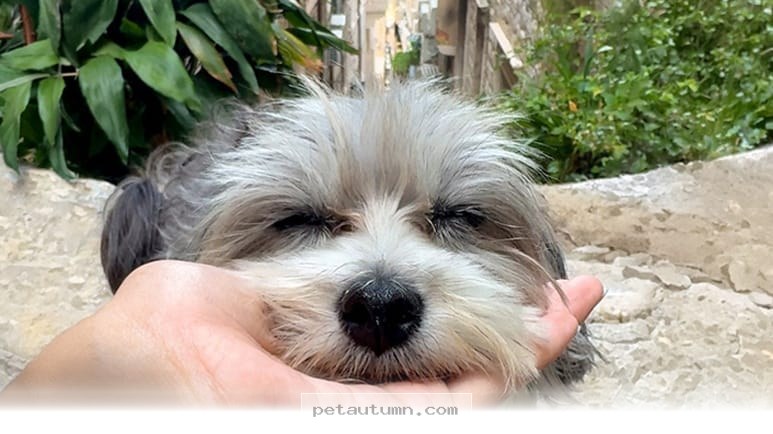
Hershey was once a dog who seemed terrified of his own shadow. He spent his early days in a shelter, often overlooked by potential adopters because he would shake and hide whenever a person approached his kennel.
Everything changed when he found his forever home with a mom who understood that patience is the ultimate form of love. She gave him the space he needed to heal, and eventually, that shy, fearful pup blossomed into a confident world traveler who has now visited 21 countries.
Key Takeaways
- Building trust with a fearful dog requires time, consistency, and plenty of positive reinforcement.
- Gradual exposure to new environments helps shy dogs gain confidence over time.
- Traveling with your pet is possible even if they had a rocky start in life.
- Always prioritize your dog’s comfort and stress levels during any adventure.
Understanding Your Fearful Dog
If you share your life with a dog who acts like Hershey did, you know that the journey toward confidence is not a straight line. Many rescue dogs come with past experiences that make them wary of the world, but with your support, they can overcome those hurdles.
Transitioning a nervous dog into a confident companion requires you to be their advocate in every situation. You must learn to recognize their body language and provide a safe space where they never feel pressured to interact before they are ready.
Common Signs of Fear
- Tucked tail or trembling body posture.
- Avoiding eye contact or constant lip licking.
- Excessive hiding behind furniture or your legs.
- Refusal to eat treats even when they are usually food-motivated.
- Freezing in place when exposed to loud noises or new people.
Steps to Build Your Dog’s Confidence
You do not need to head out to 21 countries right away to help your dog feel better. Start small by creating a routine that makes them feel secure, as consistency is the foundation of trust for any canine companion.
1. Create a Safe Haven
Designate a quiet area in your home where your dog can retreat whenever they feel overwhelmed. This spot should be off-limits to guests and other pets, allowing your dog to decompress without any external pressure.
2. Practice Positive Reinforcement
Reward your dog for brave behaviors, even if those behaviors seem tiny to you. A simple sniff of a new object or stepping outside for a walk deserves a high-value treat and verbal praise to build their association with new experiences.
3. Use Desensitization Techniques
Slowly introduce your dog to things that cause them anxiety in a controlled, low-stress manner. You can find excellent resources on managing anxiety and socialization at the American Kennel Club.
| Strategy | Benefit | Status |
|---|---|---|
| Positive Reinforcement | Boosts confidence | Highly Recommended |
| Forced Socialization | Increases stress | Avoid |
| Consistent Routine | Provides security | Essential |
| Ignoring Fear Signs | Damages trust | Warning |
4. Invest in Travel Training
Before taking your dog on long trips, practice being in a carrier or a car for short periods. If you are looking for tips on keeping your pet safe, check out the guidelines provided by the ASPCA.
5. Prioritize Comfort During Travel
Always carry items that smell like home to help your dog feel grounded in new locations. Whether you are visiting a local park or flying across borders, bringing a familiar blanket or toy can make a world of difference.
Always remember that your dog’s pace is the only pace that matters during your training sessions. If they seem uncomfortable, it is perfectly fine to step back and try again another day.
Preparing for Your Next Adventure
When you feel your dog is ready to explore, make sure you have the right gear to keep them safe. You might consider items like a secure harness, a portable water bowl, and updated identification tags.
Essential Travel Supply List
- Secure, escape-proof harness.
- Calming pheromone spray for the carrier.
- Familiar bed or blanket from home.
- High-value treats for positive reinforcement.
- Updated contact information on tags and microchip.
- Veterinary health records and necessary documentation.
For additional information on pet health and travel safety, you can visit the American Veterinary Medical Association. Taking the time to prepare will ensure that your adventures together are filled with joy rather than anxiety.
The information on petautumn.com is for general informational purposes only and does not constitute veterinary advice. Pet health needs vary by breed, age, and individual condition. Always consult a licensed veterinarian before making decisions about your pet’s health, diet, or medical treatment. Pet Autumn is not affiliated with any veterinary organization, pet food manufacturer, or breeder.
Seeing Hershey transform from a shy shelter dog into a seasoned traveler reminds us all that every dog has the potential for greatness. It simply takes the right person to see that potential and the patience to help them shine.
Keep celebrating those small victories with your dog, because each one is a step toward a lifetime of shared adventures. Your dedication is the greatest gift you could ever give your furry best friend.

Cat care writer at petautumn.com. English Literature graduate (S.S) from Universitas Udayana. Covers cat breeds, behavior, nutrition, grooming, and health. Cat mom to Luna and Lina. Based in Austin, Texas.