Written by Ayu Pratiwi
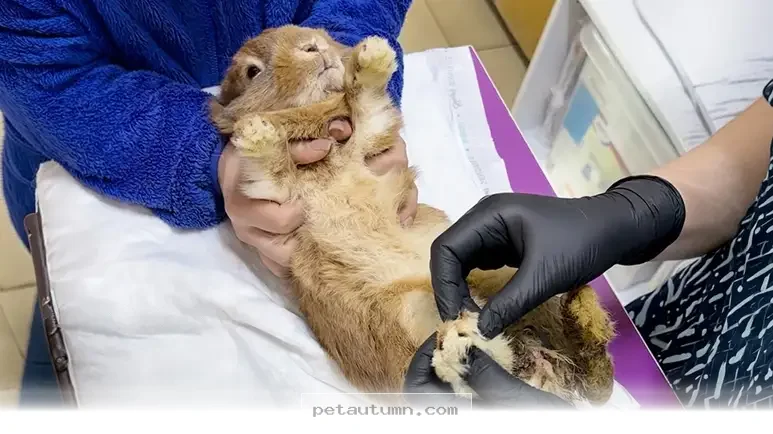
Finding an abandoned pet is a heart-wrenching experience, but watching a broken animal blossom into a happy companion is truly life-changing. Johnny the rabbit was once a fragile soul found in such poor condition that his bones appeared nearly transparent on medical imaging.
Today, this resilient little guy has completely transformed, trading his days of pain for a life of mischief and endless bunny flops. His journey reminds us all that with patience, specialized care, and a whole lot of love, even the most neglected animals can find their way back to health.
- Early intervention for abandoned pets is critical for survival.
- Specialized nutrition helps repair bone density and muscle mass.
- Patience is the most important tool in your recovery kit.
- Monitoring behavior shifts provides clues about a rabbit’s emotional healing.
Understanding the Road to Recovery
When a rabbit has been neglected for an extended period, their body often shuts down to conserve energy. You might notice signs of severe malnutrition, such as lethargy, thinning fur, or an inability to groom themselves properly.
Transitioning these animals to a healthy state requires a calm environment and a consistent routine. By creating a quiet space away from household chaos, you allow them to feel secure enough to start showing their true personality.
1. Identifying Warning Signs
If you discover a rabbit in distress, knowing what to look for can help you provide better information to your vet. Keep an eye out for these common red flags:
- Lethargy: The rabbit is unwilling to move or respond to your presence.
- Reduced Appetite: A refusal to eat pellets or fresh hay.
- Poor Coat Quality: Patches of missing fur or a dull, matted appearance.
- Skeletal Issues: Visible protrusion of bones or difficulty standing.
- Gastrointestinal Stasis: A lack of fecal output, which is a life-threatening emergency.
2. Setting Up a Healing Environment
Your goal is to minimize stress while maximizing comfort. Provide a soft, padded enclosure that supports their fragile frame and prevents further injury.
| Feature | Recommended Setup | Caution Area |
|---|---|---|
| Flooring | Soft, non-slip fleece blankets | Wire flooring (causes sores) |
| Hydration | Shallow ceramic water bowls | High-pressure drip bottles |
| Diet | High-quality Timothy hay | Sudden changes in food |
| Lighting | Gentle, natural indirect light | Harsh or flickering bulbs |
Note: Always consult with a veterinarian specializing in exotic pets, such as those listed by the Association of Exotic Mammal Veterinarians, to create a recovery plan tailored to your rabbit.
3. Monitoring Emotional Progress
Recovery is not just physical; it is also mental. As a rabbit starts to feel better, you will notice subtle changes in their behavior that signal they are beginning to trust their surroundings.
- The Ear Twitch: A small movement that shows they are starting to pay attention to their environment again.
- Increased Appetite: A healthy interest in fresh herbs or high-quality hay indicates improved metabolic function.
- The Bunny Flop: The ultimate sign of relaxation; if your rabbit flops onto their side, they finally feel safe enough to rest deeply.
- Playfulness: A gentle "binky" or a sudden burst of energy signifies that they have regained their confidence and joy.
Essential Supplies for Your Rescue Rabbit
Providing the right tools makes the rehabilitation process much smoother for both you and your pet. Stocking up on these items ensures you are ready for any stage of their comeback.
- High-Fiber Timothy Hay: The cornerstone of a healthy rabbit diet.
- Ceramic Bowls: Heavy enough to prevent tipping and easy to sanitize.
- Soft Fleece Liners: Essential for cushioning delicate joints and providing warmth.
- Hidey Houses: Cardboard or wooden structures where your rabbit can retreat to feel secure.
- Grooming Brushes: Gentle brushes to help them maintain their coat as they gain strength.
Comparing Recovery Milestones
The path to health is often non-linear, and it is helpful to understand the difference between standard recovery and signs that require immediate veterinary intervention.
| Milestone | Status | Action |
|---|---|---|
| Restored Appetite | Positive | Continue current diet |
| Increased Activity | Caution | Observe for fatigue |
| Sudden Lethargy | Warning | Contact Vet Immediately |
The information on petautumn.com is for general informational purposes only and does not constitute veterinary advice. Pet health needs vary by breed, age, and individual condition. Always consult a licensed veterinarian before making decisions about your pet’s health, diet, or medical treatment. Pet Autumn is not affiliated with any veterinary organization, pet food manufacturer, or breeder.
Johnny’s story is a beautiful reminder that every pet deserves a second chance at a happy life. By focusing on quality care and respecting the unique pace of your pet’s recovery, you are giving them the best possible foundation for their future.
If you are considering adopting a rabbit, remember that they are long-term companions who offer deep affection to those who earn their trust. Your dedication today creates a lifetime of bond-building moments that are truly rewarding for both of you.

Cat care writer at petautumn.com. English Literature graduate (S.S) from Universitas Udayana. Covers cat breeds, behavior, nutrition, grooming, and health. Cat mom to Luna and Lina. Based in Austin, Texas.