Written by Ayu Pratiwi
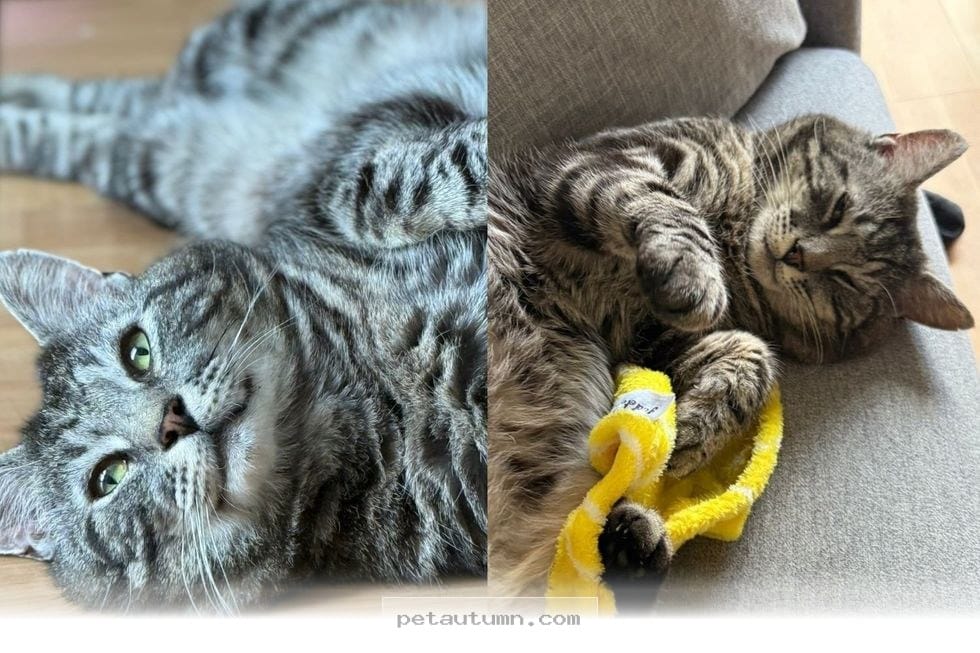
Imagine waiting at your front door, watching the driveway every single day, hoping for a familiar car to pull up. For one resilient tabby cat, this was his reality after his family moved away and left him behind.
He stayed near the only home he had ever known, refusing to give up hope. His story reminds us that even when trust is broken, a cat’s capacity to love remains remarkably strong.
Key Takeaways
- Abandoned pets often experience profound grief and physical decline.
- Patience is the most critical tool when helping a stray cat adjust to a new environment.
- Medical issues like feline asthma require consistent care and a stress-free home.
- Fostering acts as a bridge between a traumatic past and a forever family.
- Every cat deserves a second chance to believe that home is a permanent place.
The Heartbreak of Abandonment
When a family moves, they pack boxes, load trucks, and drive away toward new adventures. Sadly, some animals are left behind to fend for themselves in the elements.
This tabby cat, now safe and sound, faced the harsh reality of hunger and confusion. He wandered the neighborhood, searching for a familiar scent or a friendly face that never appeared.
Common Signs of Distress in Abandoned Cats
- Constant vocalization or meowing near doors
- Hiding in confined or dark spaces
- Loss of appetite or sudden changes in eating habits
- Hesitation to approach humans or other pets
- Poor grooming or matted fur due to stress
Living on the streets takes a heavy toll on a domestic cat’s physical health. He eventually faced respiratory struggles, which were later identified as feline asthma.
According to Cornell Feline Health Center, understanding the triggers for respiratory issues is vital for long-term management. Providing a clean, dust-free environment helped him start breathing easier while he learned to trust again.
Moving to the next stage of his recovery required a gentle hand and a quiet space to heal.
1. Creating a Safe Haven for Rescues
The transition from street life to a cozy living room is overwhelming for any animal. You must move slowly to ensure the cat feels secure in his new surroundings.
- Start by dedicating a single room where he can hide if he feels scared.
- Provide high-quality food, fresh water, and a comfortable bed away from loud noises.
- Keep the door closed to minimize overstimulation while he explores his territory.
- Spend time sitting on the floor nearby, reading a book aloud to get him used to your presence.
- Wait for him to approach you first, reinforcing his bravery with quiet praise.
Building trust is a slow process that cannot be rushed by human expectations. If you are considering fostering or adopting, review the comparison below to see if your home is ready.
| Feature | Stray Cat Needs | Owner Preparedness |
|---|---|---|
| Patience Level | Very High | Calm and steady |
| Medical Care | Frequent checkups | Budget for vet visits |
| Socialization | Gradual integration | Quiet home environment |
| Risk Factors | High stress | Limited household activity |
Every step taken toward socialization builds a foundation for a happy, healthy life.
2. Managing Chronic Health Challenges
Asthma can be a scary diagnosis for a new pet parent to navigate. You will need to observe his breathing patterns and identify potential allergens like scented candles or dusty litter.
- Use unscented, low-dust clumping litter.
- Keep the air clean with a HEPA filter in his favorite room.
- Avoid smoking or vaping near your feline companion.
- Monitor his activity levels for any signs of labored breathing.
- Schedule regular wellness exams to track his overall health progress.
Consulting with experts at the American Society for the Prevention of Cruelty to Animals provides excellent resources for managing common pet health conditions. Staying informed helps you advocate for your cat’s needs during every vet visit.
Providing stability allows the cat to focus on being a cat rather than a survivor.
3. The Joy of Adoption
Once the cat realizes he is safe, his personality will begin to shine. You might see him kneading blankets or purring loudly during your morning coffee.
He has learned that a house is more than just walls and a roof. It is a place where he is cherished, fed, and protected from the elements.
The information on petautumn.com is for general informational purposes only and does not constitute veterinary advice. Pet health needs vary by breed, age, and individual condition. Always consult a licensed veterinarian before making decisions about your pet’s health, diet, or medical treatment. Pet Autumn is not affiliated with any veterinary organization, pet food manufacturer, or breeder.
Opening your home to a cat like this tabby is a rewarding journey of healing and growth. You are not just giving him a place to sleep; you are giving him a reason to trust again.
If you have room in your heart and your home, consider reaching out to your local shelter today. Your future best friend might be waiting for someone to finally bring them home.

Cat care writer at petautumn.com. English Literature graduate (S.S) from Universitas Udayana. Covers cat breeds, behavior, nutrition, grooming, and health. Cat mom to Luna and Lina. Based in Austin, Texas.