Written by Ayu Pratiwi
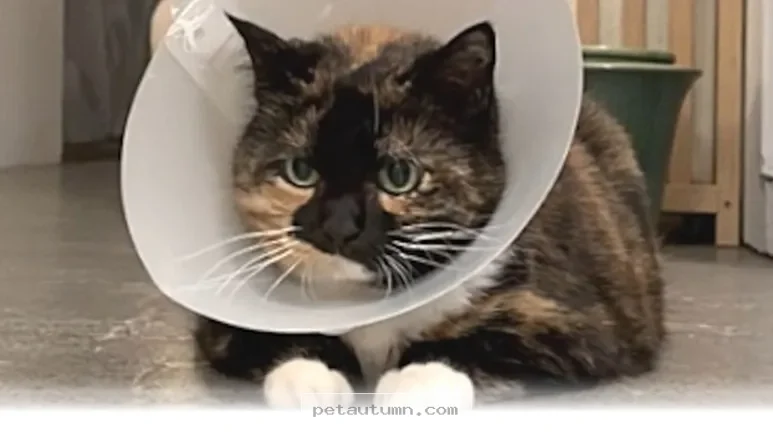
We have all seen cats react to the "cone of shame" with dramatic flair, usually involving plenty of backing into walls and mournful meows. However, one remarkable feline named Taylor decided to take a different approach to her post-surgical recovery.
Thirteen years after her initial procedure, Taylor still treats her plastic cone like a cherished security blanket. She actively chooses to wear it when she feels the need for extra comfort or a little bit of human attention.
Key Takeaways
- Cats often view cones as obstacles, but some associate them with the care received during healing.
- Positive reinforcement can help your cat adjust to necessary medical equipment without excessive stress.
- If your cat displays unusual behavioral attachments, observe them closely to ensure their safety and comfort.
- Always prioritize your cat’s physical needs before assuming an object is purely for emotional support.
Why Some Cats Form Unusual Attachments
It is rare for a cat to seek out a medical device, yet Taylor’s behavior highlights how complex feline emotions can truly be. Most cats dislike the restricted peripheral vision and muffled hearing that comes with a traditional Elizabethan collar.
When a cat like Taylor decides the cone is a source of comfort, it often stems from a positive association formed during a vulnerable time. If you provided extra cuddles, treats, and soothing words while your cat wore their cone, they might remember that period as one where they were the center of your world.
1. Understanding Feline Coping Mechanisms
Cats are masters of finding comfort in their environment, even if that comfort looks strange to us. They are sensitive creatures that rely on routine and familiar scents to feel secure in their home.
If your cat is showing signs of anxiety, they may look for objects that smell like you or objects that were present during a time of intense care. A cone, which is physically close to their face and ears, carries a strong association with the person who helped them heal.
2. Identifying Signs of Stress vs. Attachment
While it is cute to see a cat "choose" their cone, you must be careful to distinguish between a playful habit and a sign of deeper distress. If your cat is hiding, refusing to eat, or acting lethargic while wearing their cone, it is time to consult your veterinarian.
| Behavior | Interpretation | Action Required |
|---|---|---|
| Relaxed grooming/napping | Emotional comfort | Monitor for cleanliness |
| Frequent hiding | Anxiety or pain | Consult your vet |
| Attempting to chew cone | Frustration | Inspect for sharp edges |
| Purring while wearing | Positive association | Keep them happy |
Managing Your Cat’s Recovery Period
If you are currently helping your cat through a recovery phase, you want to make the experience as stress-free as possible. You can learn more about managing post-operative care by visiting the ASPCA guidelines for pet health.
1. Tips for a Smoother Cone Experience
- Choose a soft, fabric-based collar if your cat struggles with hard plastic versions.
- Ensure the collar fits correctly by checking that you can fit two fingers underneath.
- Keep your cat in a quiet room to reduce sensory overload during their healing.
- Offer high-value treats whenever the cone is put on to build a positive mental link.
2. Alternatives to Traditional Cones
Not every cat will be like Taylor, and many will find the standard cone intolerable. There are several modern alternatives designed to be less intrusive for your feline friend.
- Inflatable Collars: These act like a neck pillow, preventing your cat from reaching wounds without blocking their vision.
- Recovery Suits: These are essentially tiny pajamas that cover surgical sites, keeping them protected without the need for a head-mounted device.
- Soft Collars: Made from flexible, lightweight foam, these are much easier for cats to navigate around furniture.
| Type of Collar | Pros | Cons |
|---|---|---|
| Plastic Cone | Highly effective, durable | Limits vision, clunky |
| Inflatable Collar | Comfortable, allows sight | Can be punctured, some cats can still reach around |
| Recovery Suit | Low stress, prevents scratching | Requires frequent washing |
Monitoring Long-Term Behavioral Changes
If your cat continues to seek out their cone long after the medical need has passed, watch for any signs of skin irritation or hygiene issues. Because the cone can trap moisture and collect fur, you must ensure it remains clean and dry.
Check the skin around their neck regularly to ensure the collar is not causing hair loss or sores. Even if your cat seems happy wearing it, remember that their physical health is always the top priority.
The information on petautumn.com is for general informational purposes only and does not constitute veterinary advice. Pet health needs vary by breed, age, and individual condition. Always consult a licensed veterinarian before making decisions about your pet’s health, diet, or medical treatment. Pet Autumn is not affiliated with any veterinary organization, pet food manufacturer, or breeder.
Watching a cat like Taylor find solace in a piece of medical equipment is a gentle reminder of how much our pets value our presence. Whether they view a cone as a source of protection or simply a quirky accessory, our job is to keep them safe and supported.
Always observe your cat’s unique personality and reach out to your local clinic if you notice any sudden changes in their behavior. Every cat has their own way of asking for love, and sometimes that comes in the form of a very unexpected, cone-shaped request.

Cat care writer at petautumn.com. English Literature graduate (S.S) from Universitas Udayana. Covers cat breeds, behavior, nutrition, grooming, and health. Cat mom to Luna and Lina. Based in Austin, Texas.