Written by Kadek Darma
Losing vision is a major transition for any dog, but it certainly doesn’t mean the end of a joyful, active life. Many pups adapt to their changing world with remarkable resilience, often relying on their other senses to navigate their surroundings just as effectively as they did before.
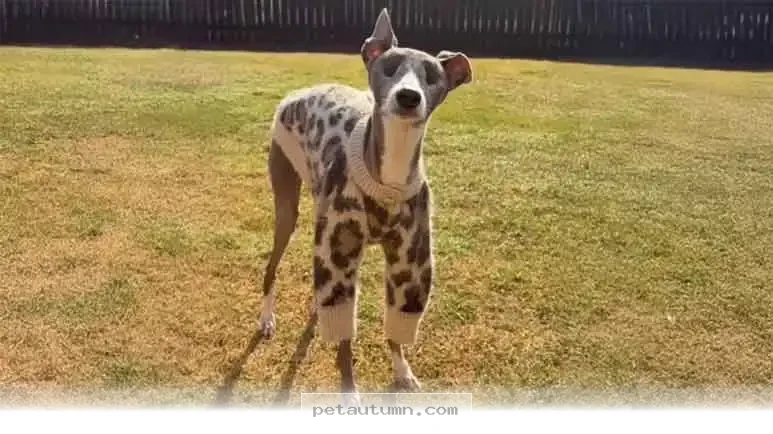
When a dog like Emma loses her sight, she doesn’t see herself as "disabled" or "broken." She simply learns to map out her home, rely on her nose, and trust her human companions to keep her safe while she explores the world.
Key Takeaways
- Blind dogs often rely heavily on scent and hearing to build a mental map of their environment.
- Maintaining a consistent floor plan helps your dog navigate without feeling confused or bumping into objects.
- Positive reinforcement training is essential for building your pet’s confidence and trust during their transition.
- Specialized gear, such as halos or gentle tactile cues, can help protect your dog from obstacles.
- Patience and consistency are the most important tools you can offer your furry friend every single day.
Understanding Your Blind Dog’s World
You might notice your dog sniffing more intensely or tilting their head to catch subtle sounds. These behaviors are their way of gathering information that they can no longer access through visual cues.
Because they are missing visual input, they often exhibit unique traits. Understanding these will help you better support your companion.
- Heightened senses: They become experts at picking up on changes in scent, air currents, and vibrations.
- Navigation style: Many blind dogs move cautiously or use their whiskers to feel the perimeter of a room.
- Sensitivity to noise: Sounds become a primary way to identify who is entering the room or where you are located.
- Memory reliance: They form a mental grid of your home, so keeping furniture in the same place is vital.
How to Help Your Dog Adapt
Helping your dog feel secure is your top priority. You can make their environment much easier to navigate by following a few simple steps.
- Keep the layout consistent. Try your best to avoid moving furniture around, as this can disorient your pet and lead to unnecessary accidents.
- Use tactile pathways. Place different textures on the floor to signal where different rooms begin or end, like a rug near a doorway.
- Teach directional cues. Use simple verbal commands like "step" for curbs or "watch" for obstacles to help your dog prepare for what is ahead.
- Use scent markers. You can place specific safe-smelling items, such as a mild essential oil or a specific herb, near doorways to help them identify their location.
- Protect their space. Block off dangerous areas like stairs or sharp corners using pet gates to ensure they can roam freely without risk.
Comparison of Mobility Aids
When your dog is learning to navigate, you might consider various tools to assist them. Choosing the right one depends on your dog’s specific needs and confidence levels.
| Tool Type | Best Use Case | Status |
|---|---|---|
| Halo Harness | High-traffic indoor use | Positive |
| Tactile Mats | Transitioning between rooms | Positive |
| Clicker Training | Building confidence outdoors | Caution |
| Off-leash trails | Unfamiliar environments | Warning |
Transitioning to a life without sight takes time, so offer your dog plenty of grace as they learn.
Building Confidence Through Play
Just because your dog can’t see doesn’t mean they can’t have fun. Engaging their sense of smell and hearing is the best way to keep them active and mentally stimulated.
You can try hiding smelly treats around the room and encouraging them to find them. This builds their mapping skills and boosts their confidence in exploring new, safe areas.
- Scent games: Use fragrant toys or treats to encourage movement.
- Auditory toys: Choose toys that squeak or make crinkling sounds to make tracking easier.
- Consistent paths: Take them on the same walking route so they memorize the smells and sounds of the neighborhood.
- Positive reinforcement: Use a high-pitched, happy tone of voice to reward them for navigating successfully.
Always monitor your pet for signs of stress, such as excessive panting or freezing in place. If they seem overwhelmed, take a step back and stick to familiar areas until they feel more comfortable.
The information on petautumn.com is for general informational purposes only and does not constitute veterinary advice. Pet health needs vary by breed, age, and individual condition. Always consult a licensed veterinarian before making decisions about your pet’s health, diet, or medical treatment. Pet Autumn is not affiliated with any veterinary organization, pet food manufacturer, or breeder.
Your blind dog is still the same pet who loves you unconditionally. With your support and a little bit of planning, they will continue to thrive and find joy in every single day.
Focus on what they can do rather than what they have lost. By providing a safe environment and plenty of encouragement, you are giving them the best life possible, regardless of their visual status.
Dog care writer at petautumn.com. Visual Communication Design graduate (S.Ds) from Universitas Udayana. Covers dog breeds, behavior, training, and gear reviews. Dog dad to Meepo. Based in Austin, Texas.