Written by Ayu Pratiwi
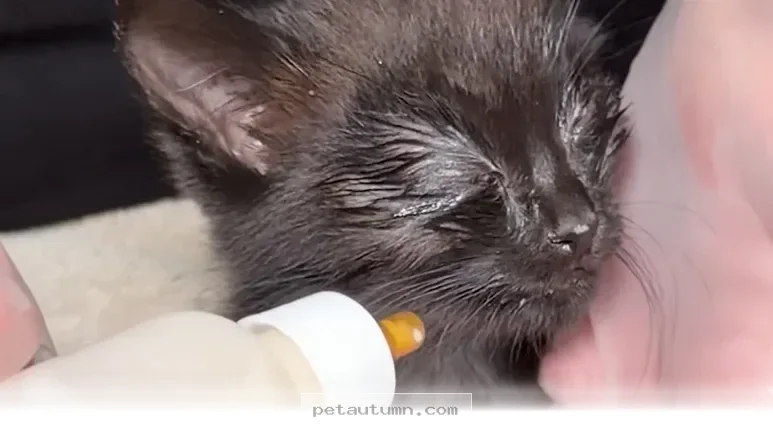
Finding a tiny, fragile life abandoned on the street is a moment that shifts your perspective on everything. When Tara first discovered Nugget, the kitten was not much more than a bundle of matted fur struggling to survive against the elements.
She was severely underweight, dehydrated, and unable to even open her eyes due to a heavy infection. Most people might have walked away, but Tara felt an immediate, overwhelming need to offer this little soul a fighting chance at life.
Key Takeaways
- Early intervention for sick kittens often determines their long-term survival rates.
- Consistent medical support and hydration are essential for stabilizing fragile rescues.
- Kittens found in poor health require specialized, frequent feedings to regain strength.
- Building a bond through patient, gentle care helps kittens overcome trauma.
- Always consult with a veterinarian to create a safe recovery plan for your rescue.
The First Steps to Rescue
Rescuing a neonate or a sick kitten is a monumental task that requires preparation and a calm, steady hand. You must focus on stabilizing the kitten’s temperature before attempting to introduce food or water.
- Keep them warm: Use a soft blanket and a heating pad set to low to help the kitten regulate their body temperature.
- Hydration is vital: If the kitten cannot drink, a vet may show you how to provide fluids to prevent dangerous dehydration.
- Seek professional guidance: A quick visit to the clinic ensures you treat underlying infections, which are common in stray kittens.
- Create a quiet space: Set up a warm, dimly lit crate where the kitten can rest without external stress.
- Monitor their weight: Use a small digital scale to track daily gains, as consistent growth is the best indicator of progress.
Transitioning from those first terrifying days to a routine of healing requires patience and a deep commitment to the kitten’s comfort.
Understanding Kitten Health Needs
When you take on a rescue like Nugget, you become their primary advocate. You will notice that their needs are far different from those of an adult cat, especially when they are fighting off illness.
| Condition | Risk Level | Recommended Action |
|---|---|---|
| Dehydration | High | Seek vet assistance for fluids immediately |
| Eye Infections | Moderate | Gentle cleaning with warm, soft cloths |
| Flea Infestation | Moderate | Consult a vet for kitten-safe treatment |
| Low Body Temp | Critical | Immediate gentle warming and wrapping |
You might find that your daily schedule revolves entirely around the kitten’s feeding cycles. This commitment, while demanding, often creates an unbreakable bond that rewards you in ways you never expected.
Recognizing Warning Signs
Even as your kitten begins to show signs of improvement, you must remain vigilant. Cats are experts at hiding pain, so you should watch for subtle changes in their normal behavior.
- Loss of appetite or refusal to nurse
- Excessive lethargy or lack of movement
- Visible discharge from the eyes or nose
- Persistent diarrhea or vomiting
- Difficulty breathing or audible wheezing
If you notice these symptoms, it is best to contact your veterinarian immediately for guidance. The ASPCA offers excellent resources on what to look for when caring for kittens in the early stages of life.
Supplies for Your New Companion
If you are preparing to bring a rescue kitten into your home, you will need a specific set of items to ensure they stay comfortable. Having these ready helps you manage the stress of the first few days.
- High-quality kitten formula and appropriate bottles
- Soft, washable fleece blankets
- A shallow litter box with low-tracking, non-clumping litter
- A digital food scale for weight tracking
- A warm, enclosed crate for security
You should also keep a dedicated notebook to record feeding times, weight, and any changes you notice in your kitten’s behavior. This documentation is incredibly helpful for your veterinarian during follow-up visits.
The Road to Recovery
Nugget’s transformation was not overnight, but watching her slowly regain her spark was a beautiful experience for Tara. Once the initial danger passed, the focus shifted to socialization and ensuring she felt safe enough to play.
Providing consistent affection helps a rescued kitten understand that they are finally home. Every purr and every attempt at play serves as a sign that your hard work is paying off.
The information on petautumn.com is for general informational purposes only and does not constitute veterinary advice. Pet health needs vary by breed, age, and individual condition. Always consult a licensed veterinarian before making decisions about your pet’s health, diet, or medical treatment. Pet Autumn is not affiliated with any veterinary organization, pet food manufacturer, or breeder.
Today, Nugget is a thriving, happy member of the household, a living testament to the power of compassion. Her story reminds us that even when the odds are stacked against a tiny creature, a little bit of love can change a life forever.
If you are considering rescuing a cat of your own, remember that the journey is just as rewarding as the destination. You have the power to change the trajectory of an animal’s life simply by being the person who refused to look away.

Dog care writer at petautumn.com. Visual Communication Design graduate (S.Ds) from Universitas Udayana. Covers dog breeds, behavior, training, and gear reviews. Dog dad to Meepo. Based in Austin, Texas.