Written by Kadek Darma
You discover a chewed-up box of rat poison tucked away behind the garden shed. Your dog seems perfectly fine, wagging their tail, acting hungry, and behaving like their usual self.
It is easy to take a deep breath and assume everything is probably okay. However, a quick call to your veterinarian reveals that this situation is a high-stakes emergency where every single hour counts.
Key Takeaways
- Vitamin K1 is the primary antidote veterinarians use to counteract the effects of anticoagulant rodenticides.
- Poisoned dogs often appear healthy for several days after ingestion, making early veterinary intervention vital before internal bleeding begins.
- Treatment usually requires a month of consistent supplementation because modern rat poisons remain active in the body for weeks.
- Not all vitamins are equal; K1 is the specific therapeutic form, while other synthetic versions do not offer the same life-saving benefits.
- Vitamin K is not a cure-all for general health issues, anemia, or other clotting disorders and should only be administered under professional guidance.
The Vital Role of Vitamin K1
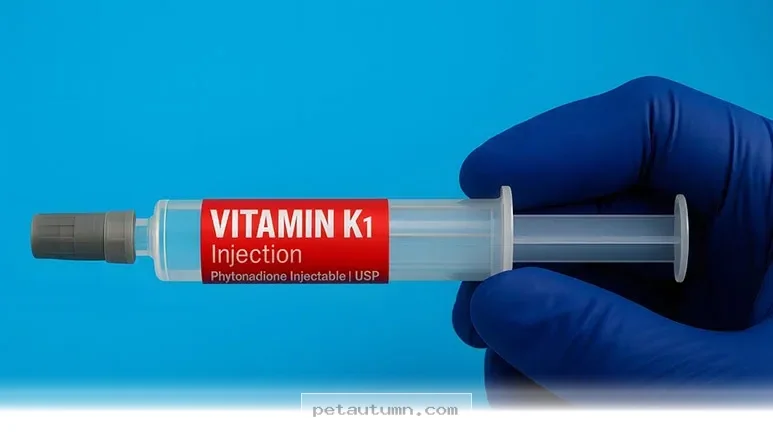
Vitamin K1, also known as phytonadione, is one of the most critical tools in a veterinarian’s emergency kit. It acts as a specialized catalyst that helps the body produce proteins necessary for normal blood clotting.
Clotting is a complex chain reaction that stops bleeding after an injury occurs. Without adequate, active vitamin K, these clotting proteins remain non-functional, leaving your dog vulnerable to uncontrolled internal bleeding.
1. Understanding Vitamin K Forms
It is helpful to recognize that "vitamin K" is actually a family of compounds with different roles. You should never assume that over-the-counter supplements are the same as the medical-grade K1 used by professionals.
| Vitamin Form | Primary Use |
|---|---|
| Vitamin K1 (Phytonadione) | Therapeutic use for rodenticide poisoning. |
| Vitamin K2 (Menaquinone) | Linked to bone health and calcium regulation. |
| Vitamin K3 (Menadione) | Synthetic compound used in some commercial feeds. |
2. The Danger of Anticoagulant Poisons
Most rat and mouse baits are designed to work by blocking the body’s natural vitamin K recycling system. When a dog ingests these poisons, their ability to create new clotting proteins is completely neutralized.
The substances used in these baits are often called superwarfarins. They are significantly more potent than common blood-thinning medications and can linger in a dog’s system for several weeks.
Recognizing the Risks of Delayed Symptoms
The most frightening aspect of rodenticide ingestion is the deceptive "lag time." Because the poison works by slowly depleting the body’s reserves of clotting proteins, your dog may seem entirely normal for three to seven days.
Once the reserves are fully depleted, the clinical signs of internal bleeding can manifest suddenly and severely. Keep a close watch for these warning indicators:
- Unusual lethargy or sudden weakness
- Pale or whitish gums
- Difficulty breathing or rapid respiration
- Unexplained bruising on the skin
- Nosebleeds or bleeding from the gums
- Blood in the stool or urine
If you suspect your dog has consumed poison, contact your ASPCA Animal Poison Control Center or your emergency vet immediately. Time is the most important factor in your dog’s recovery.
The Path to Recovery
Treatment for suspected poisoning is rarely a one-time event. Because these toxins stay in the bloodstream for a long time, veterinarians typically prescribe a course of K1 therapy lasting up to 30 days.
Stopping the medication early, even if your dog looks and acts healthy, can be a dangerous mistake. The poison may still be active, and bleeding could restart if the supplement is withdrawn too soon.
Steps for Emergency Situations
- Remove the dog from the area to prevent further ingestion of the bait.
- Collect the packaging of the product so your vet can identify the active ingredients.
- Call your veterinarian immediately to report the time of ingestion and the weight of your dog.
- Follow the exact dosage and duration instructions provided by the clinic, even if your pet seems fine.
- Schedule follow-up blood clotting tests to ensure the levels have returned to a safe range.
The information on petautumn.com is for general informational purposes only and does not constitute veterinary advice. Pet health needs vary by breed, age, and individual condition. Always consult a licensed veterinarian before making decisions about your pet’s health, diet, or medical treatment. Pet Autumn is not affiliated with any veterinary organization, pet food manufacturer, or breeder.
Always keep your pet’s safety at the forefront of your home management. Storing household chemicals and rodent baits in locked, elevated cabinets is the best way to prevent accidental exposure before it happens.
If you ever find yourself in a situation where you suspect poisoning, stay calm and prioritize a trip to the clinic. Your quick action combined with the efficacy of vitamin K1 can truly be the difference between a minor scare and a life-threatening crisis.

Dog care writer at petautumn.com. Visual Communication Design graduate (S.Ds) from Universitas Udayana. Covers dog breeds, behavior, training, and gear reviews. Dog dad to Meepo. Based in Austin, Texas.