Written by Kadek Darma
Most dogs have an undeniable passion for chewing, and they truly need a safe, constructive outlet for this natural behavior. Providing the right chew toy can keep your furry friend mentally stimulated while helping them burn off excess energy throughout the day.
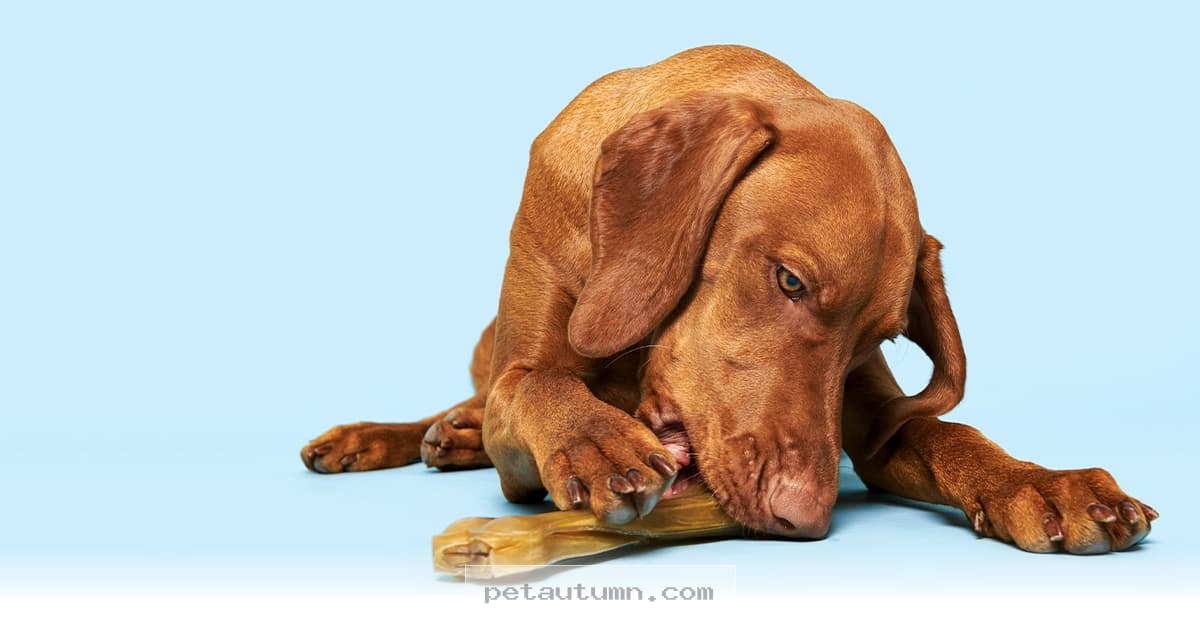
Many pet owners reach for rawhide chews as a convenient way to keep their pups busy and happy. However, while these treats are popular, they are not always the safest choice for every dog in your household.
Key Takeaways
- Rawhide is a byproduct of the leather industry and undergoes minimal processing compared to standard leather.
- Swallowing large chunks of rawhide can lead to serious choking hazards or dangerous intestinal blockages.
- Some rawhide products may contain chemical residues, artificial dyes, or bacterial contaminants like Salmonella.
- Supervision is vital whenever your dog is working on a chew to ensure they remain safe.
- Always prioritize digestible, high-quality alternatives that match your dog’s specific size and chewing intensity.
Understanding Rawhide and Its Risks
Rawhide is essentially the inner layer of an animal hide, most commonly sourced from cattle. Manufacturers clean and dehydrate these hides before shaping them into those familiar bones, twists, or rolls you see on store shelves.
Unlike leather, which is tanned to become soft and pliable, rawhide remains tough and firm. This texture is what makes it last a long time, but it also creates specific physical dangers for your pet.
1. Potential Health Complications
When a dog gnaws on a rawhide chew, it gradually softens and breaks down into smaller pieces. If your dog is an aggressive chewer, they might bite off a large chunk and swallow it whole.
This can result in significant health issues, including:
- Choking on pieces stuck in the throat
- Gastrointestinal blockages requiring emergency surgery
- Persistent vomiting or diarrhea
- Severe abdominal pain and lethargy
- Loss of appetite after ingestion
2. Contamination Concerns
Because rawhide is an animal-derived product, there is always a small risk of bacterial contamination. Products can occasionally carry pathogens like Salmonella, which pose a health threat to both your dog and your family members.
You should always wash your hands thoroughly after handling any animal-based treats. It is also wise to sanitize any surfaces where the chew was resting to prevent the spread of bacteria.
3. Comparing Chew Options
Choosing the right treat for your dog requires balancing durability with digestibility. Review the following comparison to see how different options stack up for your pet.
| Chew Type | Digestibility | Safety Profile |
|---|---|---|
| Rubber Chew Toys | Non-digestible | High (if sized correctly) |
| Dental Chews | High | High (VOHC approved) |
| Bully Sticks | Moderate | Moderate (supervision needed) |
| Traditional Rawhide | Low | Low (risk of blockage) |
Making Safer Choices for Your Dog
Transitioning your dog away from rawhide does not mean the end of their chewing fun. You can easily find alternatives that provide the same satisfaction without the added medical risks.
1. Durable Rubber Toys
Durable rubber toys are excellent because they are designed to withstand heavy chewing. Many of these can be stuffed with healthy snacks like plain Greek yogurt or mashed sweet potato.
These toys are generally safer because they do not break apart into sharp, indigestible shards. Just ensure the toy is large enough that your dog cannot accidentally swallow it whole.
2. Dental Chews
Dental chews are specifically engineered to help reduce plaque and tartar buildup on your dog’s teeth. You can find more information on effective products through the Veterinary Oral Health Council to ensure your choice is reliable.
These treats are typically designed to be softer than rawhide. They offer a tasty reward while contributing to your dog’s overall oral hygiene routine.
3. Natural Meat Treats
Dehydrated meat treats, such as single-ingredient jerky, are a protein-packed alternative. While these are usually consumed quickly rather than chewed for hours, they provide a safe and natural reward.
Always check the label to ensure there are no added sugars or preservatives. Simple is usually better when it comes to your dog’s diet and treats.
4. Professional Guidance
If you are ever unsure if a specific treat is right for your dog, consult your veterinarian. They can provide personalized advice based on your dog’s age, breed, and chewing style.
You can learn more about general pet safety guidelines by visiting resources like the American Veterinary Medical Association. Taking these extra steps ensures your dog stays healthy and happy for years to come.
The information on petautumn.com is for general informational purposes only and does not constitute veterinary advice. Pet health needs vary by breed, age, and individual condition. Always consult a licensed veterinarian before making decisions about your pet’s health, diet, or medical treatment. Pet Autumn is not affiliated with any veterinary organization, pet food manufacturer, or breeder.
Choosing the right chews for your dog is a small but meaningful way to show them you care. By swapping out risky items for safer alternatives, you can provide endless entertainment while keeping your pet safe from harm.
Always observe your dog’s behavior when they try a new treat for the first time. Your attention and care are the best tools you have for maintaining your dog’s well-being.

Dog care writer at petautumn.com. Visual Communication Design graduate (S.Ds) from Universitas Udayana. Covers dog breeds, behavior, training, and gear reviews. Dog dad to Meepo. Based in Austin, Texas.