Written by Ayu Pratiwi
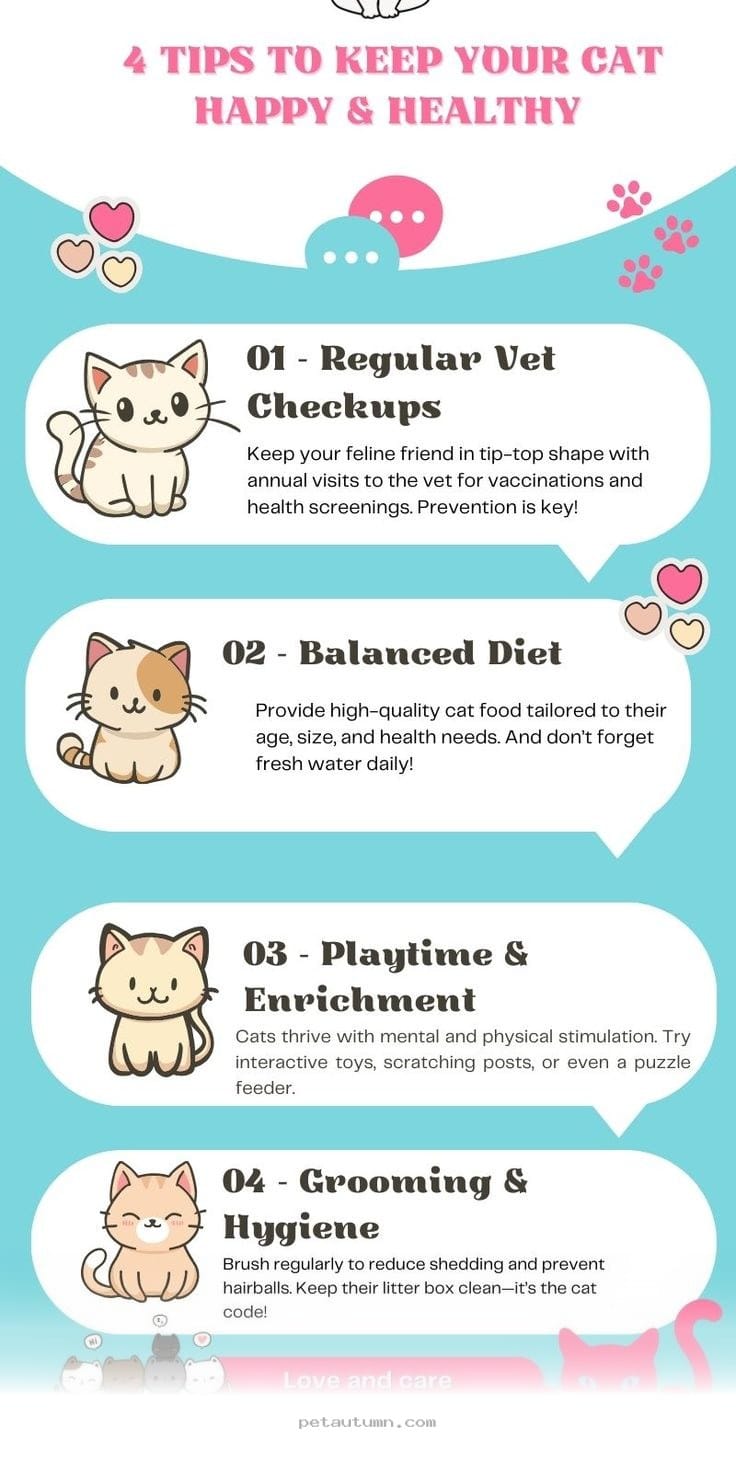
You might notice your cat staring at the shadows or zooming across the living room at midnight. Those high-energy bursts are their way of telling you that they need more movement in their daily routine.
Understanding your feline friend’s need for play is the secret to a happy household. A little bit of effort on your part goes a long way toward building a stronger bond.
Key Takeaways
- Aim for two 15-minute interactive play sessions daily.
- Match the intensity of play to your cat’s age and health status.
- Rotate toys frequently to keep your cat interested and engaged.
- Always let your cat "catch" their prey to prevent frustration.
- Observe your cat’s body language to know when they need a break.
The Science of Feline Playtime
Cats are natural hunters designed for short bursts of intense activity rather than long marathons. Providing structured play allows them to express their natural instincts in a healthy, safe way.
According to the ASPCA, play is essential for managing feline stress and preventing behavioral issues. Without an outlet, your cat might start showing signs of boredom or anxiety.
1. How Much Time Is Enough?
Most experts suggest two 15-minute sessions every single day. If your cat is particularly energetic, you might find they need a bit more time to settle down.
Consistency is better than one long, exhausting hour once a week. Try to schedule these sessions during times when your cat is naturally most alert, such as dusk or dawn.
2. Matching Play Styles to Your Cat
Every cat has a unique personality that dictates how they prefer to hunt. Some cats are ground-dwellers who love chasing a mouse toy across the floor.
Others are high-flyers who want to leap into the air for a feather wand. You can experiment with different toys to see what makes your cat tick.
| Toy Type | Best For | Energy Level |
|---|---|---|
| Feather Wands | Aerial hunters | High |
| Crinkle Balls | Ground chasers | Medium |
| Laser Pointers | Visual tracking | High |
| Puzzle Feeders | Problem solvers | Low |
3. Signs Your Cat Needs More Activity
If your cat is feeling bored, they will often let you know through subtle behavioral changes. Keep an eye out for these common indicators that your feline needs more enrichment.
- Excessive vocalization or meowing at night.
- Scratching furniture or carpet instead of their scratching post.
- Aggressive play toward your feet or ankles.
- Weight gain or signs of lethargy.
- Over-grooming or hiding more than usual.
Best Practices for Interactive Sessions
You should always be the one moving the toy, not just leaving it on the floor. Interactive play mimics the movement of real prey, which triggers your cat’s hunting drive.
Think of yourself as the controller of the "prey" during these fun sessions. Make the toy scurry away from your cat rather than charging directly at them.
Step-by-Step Play Strategy
- Start slow to get your cat’s attention before increasing the intensity.
- Use furniture as obstacles to make the "hunt" more realistic.
- Pause the toy occasionally to let your cat stalk their target.
- Allow your cat to capture the toy at the end of the session.
- Follow up with a small treat or a meal to complete the hunt cycle.
Pros and Cons of Play Methods
| Method | Pros | Cons |
|---|---|---|
| Wand Toys | High engagement and bonding. | Requires active human participation. |
| Laser Pointers | Great for cardio exercise. | Can lead to frustration if no catch. |
| Solo Toys | Good for when you are away. | Often ignored after a few days. |
| Food Puzzles | Mentally stimulating and rewarding. | Requires food management. |
Adapting for Age and Ability
A playful kitten will have very different needs compared to a senior cat. Kittens are like tiny batteries that never seem to run out of power.
Senior cats still need exercise, but they may need to move at a slower pace. Keep the sessions short and focus on gentle movements that don’t strain their joints.
Tips for Senior Cats
- Use toys that are easy to see and follow.
- Keep the sessions strictly on the floor to avoid high jumps.
- Watch for heavy panting, which means it is time to stop.
- Give them plenty of praise for their efforts.
- Check with your vet if you notice them struggling to move.
For further reading on feline health, you can visit Cornell University College of Veterinary Medicine to learn more about enrichment. Keeping your cat healthy requires a mix of good nutrition and plenty of physical movement.
The information on petautumn.com is for general informational purposes only and does not constitute veterinary advice. Pet health needs vary by breed, age, and individual condition. Always consult a licensed veterinarian before making decisions about your pet’s health, diet, or medical treatment. Pet Autumn is not affiliated with any veterinary organization, pet food manufacturer, or breeder.
Your cat is a precious companion who relies on you for their daily fun and exercise. By dedicating a little time each day, you are ensuring they stay happy, fit, and mentally sharp.
Start small and adjust as you learn what your cat truly enjoys. You will quickly find that these shared moments become the favorite part of your day for both of you.

Dog care writer at petautumn.com. Visual Communication Design graduate (S.Ds) from Universitas Udayana. Covers dog breeds, behavior, training, and gear reviews. Dog dad to Meepo. Based in Austin, Texas.