Written by Kadek Darma
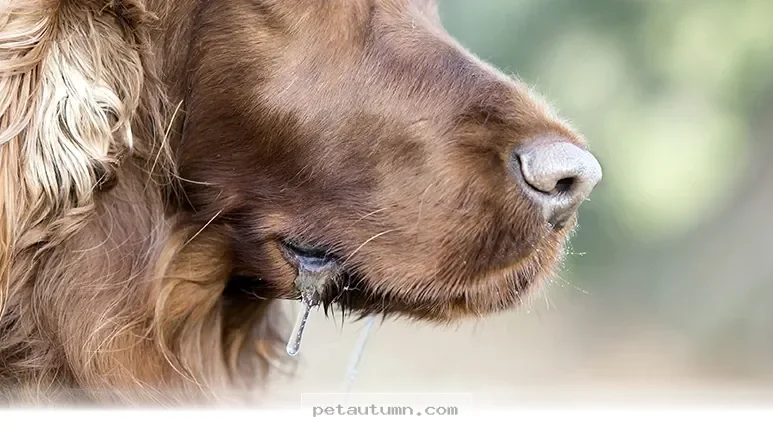
Dogs are designed by nature to drool, and some pups act as if they have open spigots in their mouths at all times. You might find yourself wondering where all that endless supply of slobber actually comes from.
Heavy droolers can whip up an impressive amount of white foam just by sniffing out some neighborhood gossip on a quick walk. If you share your home with a big-time slobberer, those surprise puddles on your kitchen floor are likely a daily occurrence.
Key Takeaways
- Dogs are natural droolers, and most excessive saliva production is harmless behavior.
- Common triggers include the anticipation of food, overheating, high excitement levels, and motion sickness.
- Certain breeds with loose, droopy lips are physically prone to collecting and spilling more saliva.
- Always monitor for sudden changes in your dog’s habits, as abnormal drooling can sometimes signal an underlying health issue.
Why Your Dog Drools
Some dogs are just built with a, shall we say, more efficient plumbing system than others. Breeds like Bloodhounds, Mastiffs, and Bulldogs often have loose, droopy lips and deep mouth folds where saliva easily collects and eventually spills out.
If your dog is a natural drooler, you have likely accepted that cleaning cloths are now a permanent part of your home decor. However, knowing the specific triggers can help you manage the mess more effectively.
1. The Power of Food
Drooling is a conditioned response to the sight or smell of a tasty treat or dinner. This physical reaction is simply your dog’s body preparing his digestive system for the meal ahead.
You can try to manage the mess by keeping your dog away from the kitchen during prep time. If he knows that waiting in the living room leads to a cleaner floor, he may eventually learn to settle down until the food hits the bowl.
2. Managing the Heat
Dogs do not sweat like humans do, so they rely on panting to regulate their body temperature. As they pant, the water evaporates from their tongue and mouth, which naturally leads to more saliva production.
Since you never want to stop a dog from cooling himself down, keep a dedicated "drool rag" handy during summer walks. If you notice your dog panting excessively inside, ensure he has a cool, shaded place to rest.
3. High Excitement Levels
Does your dog start dripping the moment you grab the leash or pull into a park? Many dogs become highly stimulated by new environments, especially when they encounter the scent of other animals.
This excitement often overrides their ability to swallow, resulting in long, dangling strings of saliva. If your dog gets particularly excited during play, try to keep a supply of paper towels in your pocket for quick cleanup.
4. Travel and Motion Sickness
If your dog drools heavily in the car, he may be feeling the effects of motion sickness or general anxiety. Watch for other clues like yawning, whining, or pacing, as these often accompany the saliva.
Puppies are particularly prone to this because their inner ear balance structures are still developing. You can learn more about managing travel stress by reviewing resources from the American Kennel Club.
5. Physical Mouth Structure
Sometimes the culprit is simply the shape of your dog’s face. Dogs with deep jowls or loose skin around the mouth have less "seal" than dogs with tighter lips.
This structural difference means that saliva naturally pools in the folds of the mouth rather than being swallowed. While you cannot change your dog’s anatomy, being prepared with a doggy bib or a quick-dry mat can save your floors.
| Trigger Type | Risk Level | Management Tip |
|---|---|---|
| Food Anticipation | Low | Feed in a designated area |
| Overheating | High | Provide water and shade |
| High Excitement | Low | Carry a portable wipe |
| Motion Sickness | Moderate | Consult your veterinarian |
| Mouth Anatomy | Low | Use absorbent floor mats |
When to See a Veterinarian
While many dogs are just naturally messy, a sudden change in behavior warrants a closer look. If your dog starts drooling significantly more than his usual baseline, it could indicate a dental issue, an object stuck in the mouth, or even nausea.
The information on petautumn.com is for general informational purposes only and does not constitute veterinary advice. Pet health needs vary by breed, age, and individual condition. Always consult a licensed veterinarian before making decisions about your pet’s health, diet, or medical treatment. Pet Autumn is not affiliated with any veterinary organization, pet food manufacturer, or breeder.
Always monitor your dog for other signs of distress, such as pawing at the mouth, refusing food, or changes in behavior. You can find helpful information regarding pet health symptoms on the official AVMA website.
Living with a drooler is often just a normal part of the canine experience. As long as you understand your dog’s unique triggers, you can keep your home tidy and your pup comfortable.

Dog care writer at petautumn.com. Visual Communication Design graduate (S.Ds) from Universitas Udayana. Covers dog breeds, behavior, training, and gear reviews. Dog dad to Meepo. Based in Austin, Texas.