Written by Ayu Pratiwi
Have you ever looked at your cat and wondered if they might have a secret talent? While most feline friends are content with sunbathing or chasing laser pointers, some adventurous souls find their thrill on four wheels.
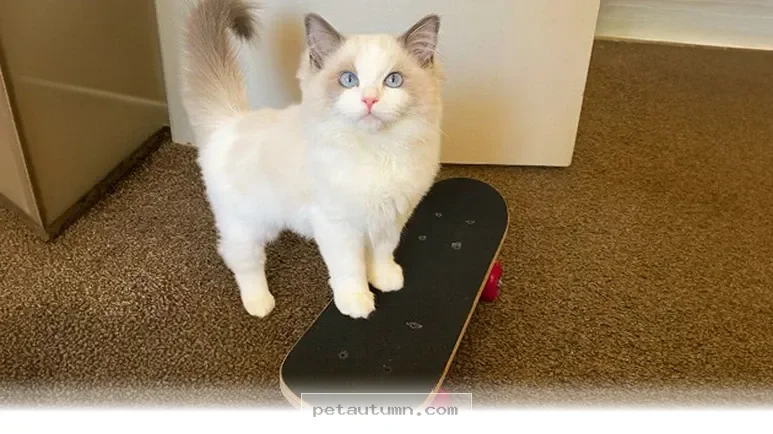
Puka the kitten is one such trailblazer who discovered an old skateboard and decided the hallway was her personal racetrack. Watching a cat embrace the sport of skateboarding is not only hilarious but a testament to the curious and playful nature of our feline companions.
Key Takeaways
- Cats can be trained to enjoy skateboarding through positive reinforcement and patience.
- Always prioritize your cat’s comfort and ensure they never feel forced to participate.
- A proper setup involves choosing a stable board and creating a safe environment.
- Supervision is essential to prevent accidents during your cat’s skateboarding sessions.
Understanding the Feline Skateboarder
It might seem like a strange hobby for a creature known for naps, but some cats genuinely enjoy the movement. When Puka first jumped on her skateboard, she displayed an immediate sense of balance and confidence.
Some cats push off with their hind legs, while others prefer a gentle push from their owners to get rolling. This interactive play strengthens the bond between you and your pet while providing necessary mental stimulation.
| Factor | Safety Consideration |
|---|---|
| Board Stability | Ensure the board is wide and stable for easy mounting. |
| Surface Type | Use smooth, indoor flooring to prevent unwanted debris. |
| Monitoring | Never leave a cat unattended with a moving skateboard. |
How to Introduce Your Cat to the Board
If you want to see if your cat has the heart of a skater, you must approach the process with care. Remember that every cat has a unique personality, and not every feline will find a skateboard appealing.
1. Familiarization
Start by placing the skateboard in a common area where your cat spends their time. Let them sniff it, rub against it, and get comfortable with the object’s presence without any pressure.
2. Positive Reinforcement
Use treats or toys to reward your cat for interacting with the board. If they show interest, offer praise to help them associate the skateboard with positive experiences and yummy rewards.
3. Controlled Movement
Once your cat is comfortable standing on the board, try very slow, short movements on a carpeted area. Carpet provides more friction than hardwood, which helps keep the board from rolling away too quickly.
4. Recognizing Signs of Stress
Watch your cat’s body language closely during every session. If you notice any of these behaviors, it is time to put the board away and let them relax:
- Flattened ears or twitching tail
- Hiding or attempting to escape
- Dilated pupils or vocalizing distress
- Withdrawing from the interaction entirely
Essential Supplies for Your Session
Before you begin, gather a few items to ensure the experience is safe and enjoyable for your furry athlete. You want to make sure your environment is prepared for a cat who might decide to jump off suddenly.
- Treats: High-value snacks to encourage curiosity and engagement.
- Stable Skateboard: A wider board is easier for a cat to balance on than a narrow trick board.
- Clear Area: A long, hallway or open room free of obstacles or sharp furniture corners.
- Grip Tape: Consider a textured surface on the board to help your cat maintain their footing.
Safety and Best Practices
Always remember that your cat’s physical well-being is the top priority. Cats are built for agility, but they can still get injured if a board rolls into an object or if they lose their balance unexpectedly.
Check your surroundings for hazards, such as loose rugs that might bunch up under the wheels. By keeping sessions short and fun, you ensure that your cat looks forward to their time on the board rather than viewing it as a chore.
The information on petautumn.com is for general informational purposes only and does not constitute veterinary advice. Pet health needs vary by breed, age, and individual condition. Always consult a licensed veterinarian before making decisions about your pet’s health, diet, or medical treatment. Pet Autumn is not affiliated with any veterinary organization, pet food manufacturer, or breeder.
Watching your cat learn a new trick can be a rewarding experience for both of you. Whether they become a pro skater or simply enjoy the occasional ride, the time spent together is what truly matters.
Take it slow, be patient, and always celebrate the small victories. If you want to learn more about keeping your feline companion happy and active, check out these cat enrichment tips to keep their minds sharp and their bodies moving.

Cat care writer at petautumn.com. English Literature graduate (S.S) from Universitas Udayana. Covers cat breeds, behavior, nutrition, grooming, and health. Cat mom to Luna and Lina. Based in Austin, Texas.