Last Updated: April 16, 2026
Most Pet Owners Misunderstand “Premium” Pet Food in 2026 — Here Is What It Really Means
Ever stared at a $90 bag of “premium” pet food and wondered if you’re paying for better nutrition or just a fancy marketing story. You are absolutely not the only one doing math in the aisle while your dog or cat waits at home.
Right now in the US, premium pet food is a huge business, and a lot of brands are very good at making you feel guilty for not buying the most expensive bag. That’s one reason petautumn.com keeps getting questions like “Do I really need premium?” and “Is regular kibble secretly bad?”.
Here’s the short answer. Some premium foods genuinely offer better ingredients and tighter quality control, but a lot of what you see on the bag is just clever wording. Your job is not to chase the trendiest label, but to find food that actually fits your dog or cat’s needs, your vet’s guidance, and your real life budget.
Key Takeaways
- “Premium” on a pet food label is a marketing term, not a regulated nutrition standard.
- True quality comes from protein sources, complete and balanced nutrition, and solid safety testing.
- Many buzzwords like “grain free” or “ancestral” sound impressive but do not automatically mean healthier.
- Vets usually care more about AAFCO statements, ingredients, and your pet’s condition than price or branding.
- Use premium options as one possible tool, not the end goal — your pet’s health and comfort are the real metric.
Where the Idea of “Premium” Pet Food Came From
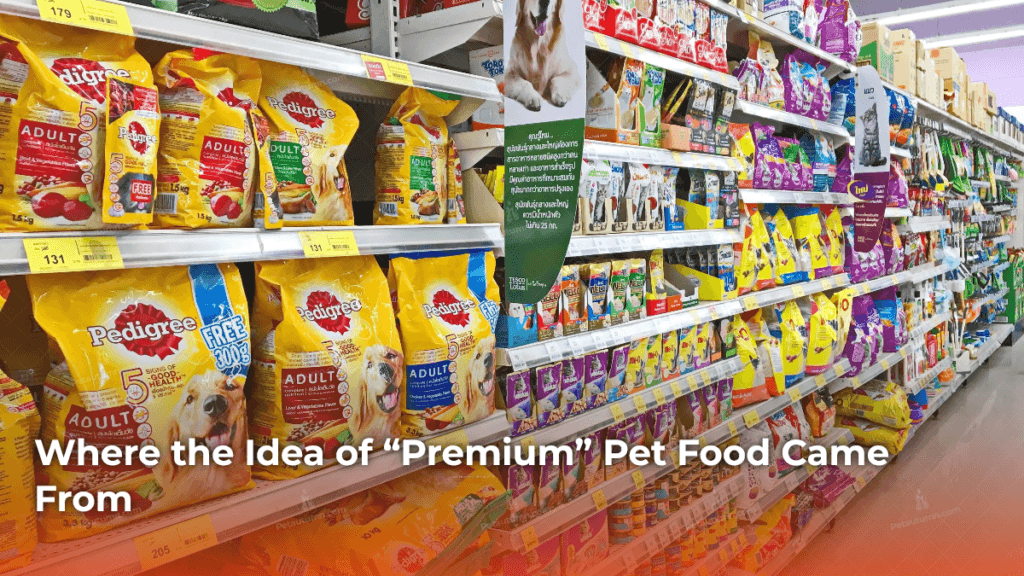
For decades, pet food was mostly about convenience and cost, especially dry kibble that could sit in a pantry for months. As more people started treating dogs and cats like family, the demand for “better than basic” food exploded in the US.
Brands responded with new product lines that promised human grade ingredients, limited ingredient diets, and labels that looked more like artisanal grocery packaging than pet food. Prices went up, packaging got prettier, and suddenly “premium” became a badge of honor for worried pet parents.
Marketing vs actual nutrition improvements
Some of that change has been genuinely positive. There are more options now for pets with allergies, sensitive stomachs, and specific life stage needs. You’ll see more clearly named meats, better fat sources, and more transparency about calories and feeding guidelines.
But marketing also learned to talk like a nutrition expert, even when the formula itself is not dramatically better than a solid mid range food. Words like “premium,” “gourmet,” and “holistic” are not strictly defined in pet food regulations, so brands can use them quite freely.
A lot of bags rely on emotional triggers — pictures of roasted turkey, farm scenes, or raw steak — even though the real product is still a processed kibble. That doesn’t make it bad, it just means you can not judge quality from the front of the bag alone.
Growth of the luxury and human grade segment
In the last several years, we have also seen a big rise in luxury and “human grade” pet foods delivered as fresh or gently cooked meals. Many are shipped on subscription in insulated boxes with custom feeding plans and glossy welcome kits.
These brands often do invest in higher quality ingredients and more careful processing, which can be great for some pets. But they also operate in a premium price tier that simply does not make sense for every family — especially if your dog or cat is already thriving on a more affordable complete and balanced diet.
At home, when we briefly tried a human grade fresh food with Meepo, his 42 lb mixed breed body loved it, but our monthly budget very clearly did not. That little reality check is important, because the “premium” label should never pressure you into spending money you truly do not have.
So, to make smart decisions, you need to know what actually defines quality on the inside of the bag, not just what’s printed on the outside.
Nutrition Markers That Actually Define Quality
If you strip away all the marketing, pet food quality always comes back to nutrients your dog or cat can actually use. That means looking past the branding and focusing on ingredients, guaranteed analysis, and whether the food is complete and balanced for your pet’s life stage.
Instead of asking “Is this premium enough?”, it’s much more useful to ask “Does this formula meet my animal’s nutritional needs safely and consistently?”.
Protein sources and bioavailability
Protein is the backbone of both dog and cat nutrition, but not all protein is created equal. Your pet’s body gets more value from clearly named animal proteins than from vague or heavily processed sources.
Here is a simple comparison of common protein label terms you might see on bags:
| Label Term | What It Usually Means | Quality Signal |
|---|---|---|
| “Chicken” or “Turkey” | Named muscle meat from that species | Generally positive |
| “Chicken meal” | Rendered, concentrated protein from chicken | Can be very good if well sourced |
| “Meat meal” (no species) | Mixed animal sources, not specified | Use caution, less transparency |
| “Animal by product” | Non muscle parts, can include organs and other tissues | Quality depends on sourcing; not always bad |
| Plant protein concentrates | Pea, potato, or soy protein added to boost numbers | Fine in moderation, but not the main protein |
A good premium food focuses on clearly named animal proteins and avoids relying too heavily on plant concentrates just to bump up the crude protein percentage. For cats especially, animal protein is non negotiable.
Essential nutrients and supplements
Beyond protein, quality pet food needs the right balance of fats, carbohydrates, vitamins, and minerals that match your pet’s life stage. According to the American Kennel Club (AKC) and American Veterinary Medical Association (AVMA), you should look for an AAFCO statement saying the diet is complete and balanced for a specific stage, like growth, adult maintenance, or all life stages.
Essential fatty acids like omega 3 and omega 6 support skin, coat, and brain development, especially in puppies and kittens. Certain premium foods will also add supplements like glucosamine for joint health or antioxidants for immune support, which may help particular dogs and cats but are not magic on their own.
Carbohydrates are not automatically bad either. Many well formulated diets use grains or other carbs as energy sources and to help create kibble structure. What matters more is the overall quality and balance of the formula, not trying to chase zero carbs just because an ad said so.
Dogs vs cats, and why one formula can not fit both
Dogs are more flexible omnivores while cats are strict obligate carnivores, and that difference really matters. Cats need higher protein, specific amino acids like taurine, and certain vitamins in preformed versions because their bodies can not make enough from plant sources.
Feeding a cat dog food regularly, even a fancy premium one, can lead to serious nutritional deficiencies over time. That is one reason premium cat food formulas pay special attention to taurine and other feline specific needs, while premium dog foods lean harder into things like joint support or tailored energy levels for different breed sizes.
At home, Ayu jokes that if Luna and Lina could read labels, they would absolutely pick the bag with the biggest taurine font. They do not care about the word “premium” — they care that their bowls show up on time.
Once you understand those basic nutrition markers, the next step is cutting through the loudest buzzwords on the front of the bag.
Buzzwords That Do Not Automatically Mean Better
Some words show up so often on pet food bags that they start to feel like guarantees of quality. In reality, many of them are just style choices or marketing angles rather than proof the food is better for your particular animal.
Knowing which terms are useful and which are mostly hype can save you a lot of money and stress.
“Grain free,” “ancestral,” and “boutique” brands
“Grain free” exploded in popularity after a wave of concern about grains, even though most dogs and cats actually digest many grains just fine. The US Food and Drug Administration has even looked into potential links between some grain free diets and heart issues in dogs, which is why many vets are more cautious about them now.
“Ancestral” or “wild” style diets try to mimic what a wolf or wild cat might eat, but our pets live very different lives from their ancestors. A formula can sound primal and still be poorly balanced, or it can be boring on paper and work beautifully for your couch potato Labrador.
“Boutique” brands with tiny batch claims, exotic ingredients, or very low production volumes may not always have the same level of long term research behind them as larger, more established companies. That does not make them bad, but it means you should look extra closely at their AAFCO statements and whether any board certified veterinary nutritionists are involved.
Limited ingredient and novel protein diets
Limited ingredient diets and novel proteins like duck, venison, or rabbit can be incredibly helpful for pets with diagnosed food allergies or sensitivities. They reduce the number of potential triggers and make it easier for your vet to use food as part of a diagnostic plan.
The tricky part is that these same labels are often marketed directly to healthy dogs and cats as a general “premium” upgrade. If your pet does not actually have food sensitivities, you may end up paying much more for a formula that does not provide any extra benefit.
Here is a quick overview of how some common buzzword categories relate to real life use:
| Buzzword | Typically Used For | Best Fit | Caution Level |
|---|---|---|---|
| Grain free | Marketing, some allergy cases | Pets with proven grain issues | Discuss with vet first |
| Ancestral / wild | Appeal to “natural” image | Owners preferring that style, if balanced | Check balance and research |
| Limited ingredient | Allergy management | Dogs and cats with diagnosed sensitivities | Helpful under vet guidance |
| Novel protein | Rotation diets, allergy cases | Pets on food trials or with complex allergies | Avoid casual switching |
Honestly, I think one of the biggest myths is that more exotic automatically means more loving. Your pet cares far more about consistent nutrition and comfortable digestion than whether the bag mentions rare game meats.
Once you filter out the noise from the label, it helps to see how veterinary professionals actually evaluate these foods.
How Vets Look at Premium Pet Food
Most veterinarians in the US are not obsessed with whether your pet’s food is labeled “premium.” They are more interested in whether the diet is complete and balanced, safe, appropriate for your pet’s life stage, and working well for that particular animal.
That perspective can feel almost boring compared to bold marketing campaigns, but boring, consistent health is exactly what you want.
What many vets prioritize in a diet
When you talk to your vet about food, they will usually start with basics. Is the diet complete and balanced according to AAFCO feeding trials or nutrient profiles. Is it designed for your dog or cat’s current life stage and size. Is your pet maintaining a healthy weight and body condition score.
They may ask about the brand’s track record with recalls, whether board certified veterinary nutritionists are involved in formulating the food, and how transparent the company is about their manufacturing processes. Organizations like the AVMA and ASPCA tend to emphasize this bigger picture rather than focusing on just one trendy ingredient.
If your dog or cat has a medical condition, your vet might steer you toward a therapeutic or prescription diet that has been studied for that specific issue. Those diets may not always come in the prettiest packaging, but they are often backed by much stronger evidence than many over the counter premium options.
When a therapeutic or prescription diet beats any premium label
There are times when “premium” in the marketing sense simply can not compete with “appropriate” in the medical sense. Pets with kidney disease, certain urinary conditions, severe food allergies, or serious gastrointestinal issues often do best on carefully designed therapeutic diets.
These diets usually focus on precise nutrient levels and controlled ingredient profiles rather than general claims of being natural or gourmet. For example, a cat with recurrent urinary crystals might need a specific mineral balance and urine pH target that a boutique grain free diet does not provide.
If a premium food is making your pet’s condition worse or making it harder to manage a disease, it stops being a smart choice no matter how beautiful the bag is. And yes, sometimes that means choosing a clinical looking diet over the “farm to bowl” option your social media feed loves.
Once you have your vet’s perspective in mind, you can treat premium products as one possible set of tools rather than the destination.
How to Use “Premium” as a Tool, Not a Goal
The real value of premium pet food is not the word itself. It is having access to more options so you can match a diet to your pet’s needs, your vet’s advice, and your budget.
Instead of chasing the fanciest label, think of premium as one adjustable dial in a bigger plan that includes exercise, preventive vet care, and realistic daily routines.
Matching food to your pet instead of the trend
A large breed, high energy dog who joins you on long hikes will not have the same caloric and joint support needs as an indoor senior cat who mainly patrols the couch. That is why starting with your individual animal always makes more sense than starting with a trend.
You can use premium options strategically. For example:
- Choose a premium kibble with joint support and appropriate calories for an older large breed dog.
- Pick a wet, high protein premium formula for an indoor cat who needs help staying hydrated.
- Stick with a solid mid range kibble but add a small amount of higher quality topper for extra palatability and variety.
If you want a deeper dive into how different life stages change what “good nutrition” looks like, pairing this article with your dog’s vet visit schedule guide or a trusted puppy food breakdown can help you see the bigger picture across the years.
Balancing budget, quality, and long term health
Food is one piece of the total cost of caring for a pet. Overstretching on an expensive bag that stresses your monthly finances can backfire if it means you delay vet visits or skip important preventive care.
A more sustainable strategy is to pick the best quality you can comfortably afford, confirm with your vet that it is appropriate, and then consistently monitor your pet’s weight, coat, stool, and energy. If things look and feel good, you probably do not need to keep upgrading just because a new “premium” line launches.
From experience, the mix that worked for Meepo over time was a reliable, well reviewed kibble that met AAFCO standards plus occasional upgrades like higher quality treats or a bit of fresh food on special days. Not perfect, not flashy, but it kept his digestion predictable and his energy high — and that matters far more than whatever the marketing department is testing this year.
“The information on petautumn.com is for general informational purposes only and does not constitute veterinary advice. Pet health needs vary by breed, age, and individual condition. Always consult a licensed veterinarian before making decisions about your pet’s health, diet, or medical treatment. Pet Autumn is not affiliated with any veterinary organization, pet food manufacturer, or breeder.”
Every dog and cat is different. A vet can help determine the best diet for your pet based on their health history, weight, and lifestyle.
Premium pet food in 2026 is less about a single “best” bag and more about learning to read past the buzzwords so you can choose what truly works for your animal. Once you focus on ingredients, nutrition balance, and how your pet actually looks and feels, the word “premium” becomes just one small part of a much clearer picture.
If you are unsure where to start, the most useful next step is simple. Bring your current food bag (or a photo of the label) to your next vet visit, ask what they think, and together build a plan that fits your pet and your budget — not just the marketing trend of the moment.
Sources
- American Kennel Club (AKC)
- American Veterinary Medical Association (AVMA)
- ASPCA
Frequently Asked Questions
1
Does my healthy dog really need premium food in 2026?
2
Is grain free premium pet food safer or healthier?
3
How can I tell if a premium cat food is actually good quality?
4
Can I mix premium food with my regular pet food to save money?
5
When should I call my vet about my pet’s diet?

Dog care writer at petautumn.com. Visual Communication Design graduate (S.Ds) from Universitas Udayana. Covers dog breeds, behavior, training, and gear reviews. Dog dad to Meepo. Based in Austin, Texas.