Written by Ayu Pratiwi
Finding a stray cat in a parking lot is a moment that changes everything. You suddenly face a choice between walking away or stepping up to help a vulnerable family.
Taking in a mother cat and her kittens is a massive commitment that rewards you with endless love. This journey is challenging, but seeing them thrive makes every struggle worth the effort.
Key Takeaways
- Rescuing a stray family requires immediate isolation to protect your existing pets.
- Proper nutrition for a nursing mother cat is essential for healthy kitten development.
- Early socialization helps kittens grow into confident and affectionate adult cats.
- Veterinary checkups are non-negotiable for identifying underlying health issues in strays.
Preparing for Your New Arrivals
Before you bring these little ones home, you must create a safe and quiet sanctuary. A spare bathroom or a large playpen works perfectly for keeping them contained.
Space is vital for a stressed mother cat to feel secure enough to nurse. Keep the environment calm, dim, and free from the noise of your household.
1. Essential Supplies List
- High-calorie kitten food for the nursing mother
- Soft, washable blankets or specialized pet bedding
- Shallow litter pans with non-clumping litter
- Stainless steel food and water bowls
- A sturdy, escape-proof cat carrier
- Feliway or other calming pheromone diffusers
Assessing the Health of Rescued Cats
Stray cats often deal with parasites, upper respiratory infections, or malnutrition from their time outdoors. You should observe them closely for any changes in their behavior or appetite.
According to the ASPCA, providing proper medical care is the first step toward a successful rescue. Watch for these common symptoms that suggest your new guests need professional help.
Common Symptoms to Monitor
- Sneezing, coughing, or persistent nasal discharge
- Dull coat or signs of heavy flea infestation
- Lethargy or lack of interest in food
- Diarrhea or visible signs of intestinal worms
- Swollen or irritated eyes that are crusted shut
Comparing Rescue Options
Deciding how to manage a rescue situation can be overwhelming for first-time rescuers. This table helps you understand the differences between fostering, adopting, and surrendering to a shelter.
| Option | Pros | Cons |
|---|---|---|
| Private Fostering | Controlled environment and better socialization. | Full financial and time responsibility. |
| Shelter Surrender | Professional care and vetting access. | High stress for the cat family. |
| Street Management | Cats remain in their familiar territory. | Extreme risk of injury or disease. |
2. Steps for Successful Socialization
- Spend time sitting quietly in their room to let them get used to your scent.
- Use wand toys to interact with the kittens from a distance during playtime.
- Offer high-value treats to encourage them to approach you on their own terms.
- Speak in a soft, gentle voice so they learn to associate you with safety.
Managing the Mother Cat
A nursing mother cat needs double the calories of a standard adult cat. She is working hard to produce milk while recovering from the harsh conditions of the streets.
Always ensure she has constant access to fresh water and kitten-specific kibble. If she seems anxious, provide a covered box where she can hide while nursing.
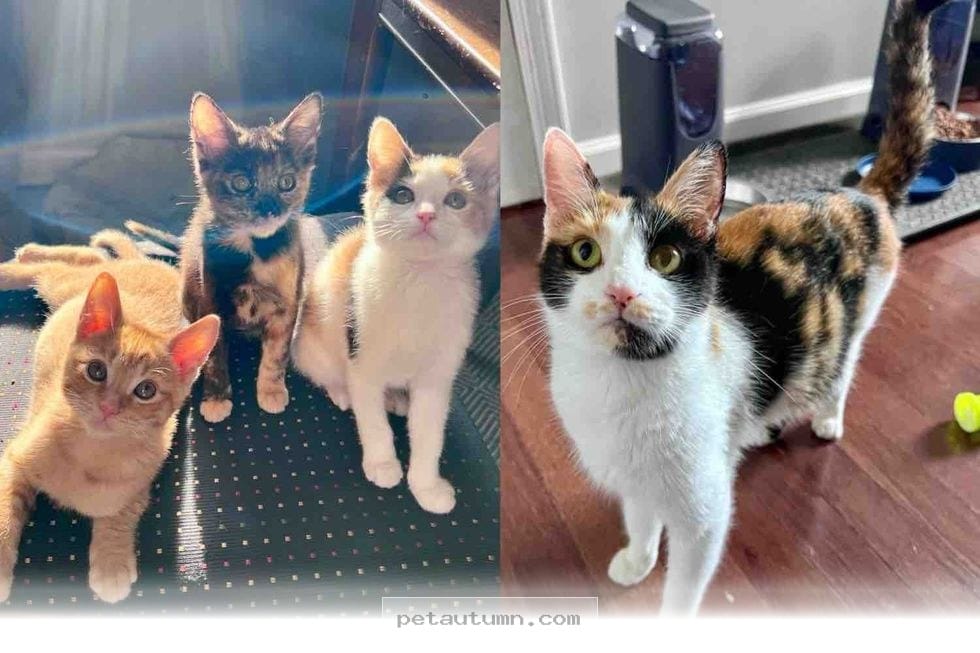
3. Understanding Calico Mother Traits
- Calico cats are almost exclusively female, which is common in breeding strays.
- They are often fiercely protective of their kittens in the first few weeks.
- Maternal instincts typically override their natural fear of humans during nursing.
- Providing a stable environment helps them decompress faster than other breeds.
Socialization efforts should be consistent but never forced or rushed.
Long Term Care for Your Kittens
Once the kittens reach eight weeks, they start becoming more independent and adventurous. This is the perfect time to begin the process of finding their forever homes.
Consulting with experts like the Cornell Feline Health Center provides great insight into developmental milestones. You want to ensure they are healthy, vaccinated, and ready for their next chapter.
The information on petautumn.com is for general informational purposes only and does not constitute veterinary advice. Pet health needs vary by breed, age, and individual condition. Always consult a licensed veterinarian before making decisions about your pet’s health, diet, or medical treatment. Pet Autumn is not affiliated with any veterinary organization, pet food manufacturer, or breeder.
Helping a stray cat family is a beautiful act of kindness that changes lives forever. Your patience during this process creates a bond that lasts a lifetime.
Thank you for choosing to be a voice for those who cannot speak for themselves. You are giving these kittens the bright future they truly deserve.
Cat care writer at petautumn.com. English Literature graduate (S.S) from Universitas Udayana. Covers cat breeds, behavior, nutrition, grooming, and health. Cat mom to Luna and Lina. Based in Austin, Texas.