Written by Ayu Pratiwi
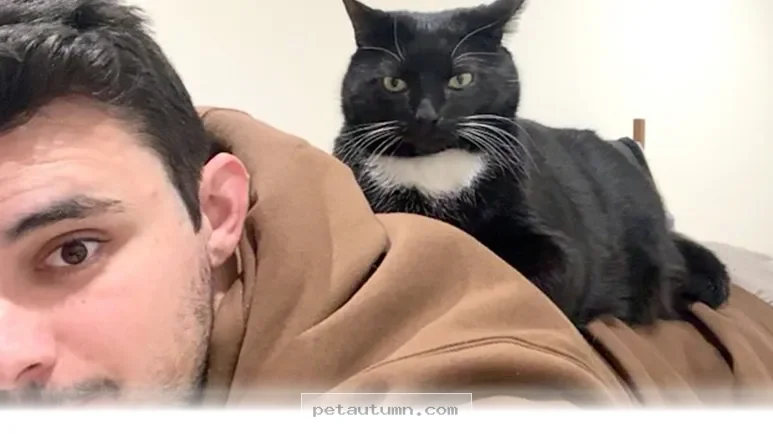
Lou’s journey began in a crowded, difficult hoarding situation that left him needing a fresh start. Today, he is a vibrant, affectionate companion who acts more like a loyal puppy than a traditional cat.
His story serves as a beautiful reminder of how resilience can transform a pet’s life. For his owner, Patrick, welcoming Lou home was the single biggest positive change in his daily routine.
Key Takeaways
- Rescue cats often possess deep, hidden capacities for affection and loyalty.
- Patience is the most vital tool when helping a formerly neglected pet adjust.
- Building trust requires a consistent, quiet, and predictable home environment.
- You can encourage a cat’s natural curiosity through interactive play sessions.
- Every rescue animal has a unique personality waiting to be discovered.
Understanding the Rescue Transformation
When you bring home a cat from a stressful background, you might notice behaviors that differ from those of a standard house cat. They are often hesitant at first, needing extra space to observe their new surroundings before they feel safe enough to explore.
Watching a shy cat blossom into a social, happy family member is an incredibly rewarding experience for any owner. You are providing the security they never had, which often results in a profound, unbreakable bond between you and your pet.
1. Preparing Your Space for a New Rescue
Before your new companion arrives, take a moment to set up a "safe room" where they can retreat. This small space should contain all their essentials, including a comfortable bed, water, and food.
- Soft bedding: Choose materials that hold scents to provide comfort.
- Vertical space: Cat trees or sturdy shelves allow them to feel secure by gaining height.
- Quiet zones: Ensure this area is away from loud noises or heavy foot traffic.
- Interactive toys: Simple wand toys help build confidence without direct physical pressure.
2. Building Trust Through Small Daily Habits
Patience is your best friend when building a relationship with a cat who has a history of trauma. Start by spending time in the same room without demanding their attention, letting them approach you on their own terms.
Consistency helps them recognize that your home is a stable place. Try to maintain a regular schedule for feeding and playtime, as predictability reduces anxiety in sensitive animals.
3. Identifying Positive Behavior Shifts
As your cat grows more comfortable, you will likely notice subtle changes in their body language. A tail held high, slow blinks, and a willingness to stay in the room while you are moving are all signs of progress.
| Behavior | Interpretation | Action Required |
|---|---|---|
| Slow blinking | Showing trust and relaxation | Return the blink softly |
| Tail held high | Confidence and friendliness | Offer a gentle verbal greeting |
| Purring | Contentment and comfort | Continue current interaction |
| Hiding | Fear or feeling overwhelmed | Give them more personal space |
The Impact of Affectionate Companionship
Many owners are surprised when their rescued cats exhibit "dog-like" traits, such as following them from room to room or greeting them at the door. These behaviors usually appear once the cat feels completely secure in their environment and views you as their primary source of safety.
It is important to remember that every cat moves at their own pace during the transition process. Some may take weeks to open up, while others might feel comfortable within just a few days of settling in.
Managing Expectations and Routine
While it is exciting to see your cat become more social, keep your expectations realistic to avoid putting pressure on them. Focus on the small wins, like when they choose to sit on the sofa next to you or play with a toy for the first time.
If you find that your cat is struggling to adjust, consult with a veterinarian to rule out any underlying health issues. According to the ASPCA, providing a predictable routine is the most effective way to help a stressed animal find their confidence.
Comparing Rescue Adjustments
| Adjustment Phase | Key Focus | Expected Outcome |
|---|---|---|
| First Week | Safety and Decompression | Calm and secure pet |
| First Month | Routine and Exploration | Increased activity levels |
| Three Months+ | Bonding and Socializing | Deep, lasting trust |
The information on petautumn.com is for general informational purposes only and does not constitute veterinary advice. Pet health needs vary by breed, age, and individual condition. Always consult a licensed veterinarian before making decisions about your pet’s health, diet, or medical treatment. Pet Autumn is not affiliated with any veterinary organization, pet food manufacturer, or breeder.
Choosing to rescue a cat like Lou is a life-changing commitment that brings a special kind of joy into your home. The transition from a past of uncertainty to a future of warmth is a journey you both take together.
By offering patience, love, and a safe space, you give your cat the chance to show you exactly who they are. Your home becomes their sanctuary, and in return, you gain a loyal friend for life.

Dog care writer at petautumn.com. Visual Communication Design graduate (S.Ds) from Universitas Udayana. Covers dog breeds, behavior, training, and gear reviews. Dog dad to Meepo. Based in Austin, Texas.