Written by Ayu Pratiwi
Your cat is acting a little off. She did not finish breakfast, or perhaps she is sleeping more than usual and hiding under the bed. There is no big drama like obvious limping or a scary cough, just a quiet shift you might not notice for a few days.
You might tell yourself it is nothing to worry about. However, this subtle change could be one of the most common and easily missed inflammatory illnesses in cats: pancreatitis. The signs are often so quiet that even the most attentive pet parents do not catch them right away.
Key Takeaways
- Pancreatitis is an inflammatory condition where the pancreas begins to digest itself due to leaking digestive enzymes.
- In cats, symptoms are often vague, such as hiding, lethargy, or minor appetite changes, making it difficult to spot.
- Never stop feeding a cat without veterinary guidance, as fasting can lead to life-threatening liver issues.
- Management often involves low-fat diets, small frequent meals, and supportive care to manage discomfort and inflammation.
- Triaditis is a condition where the pancreas, liver, and intestines are all inflamed simultaneously, which is common in feline patients.
Understanding the Feline Pancreas
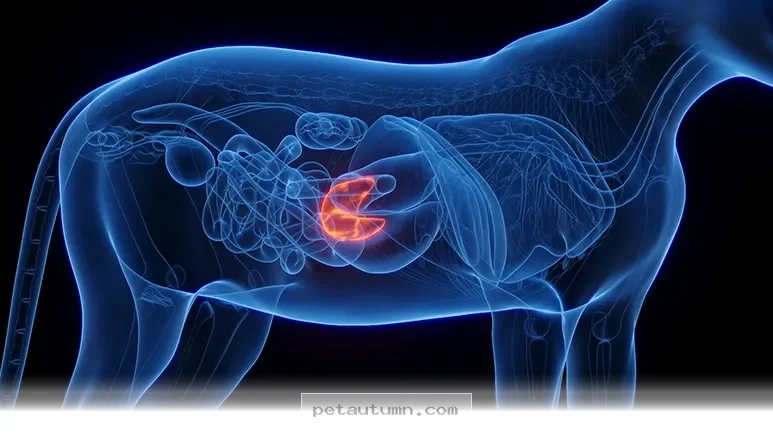
The pancreas is a small, leaf-shaped gland located near the stomach and the small intestine. It performs two vital jobs: creating digestive enzymes to break down food and producing hormones like insulin to regulate blood sugar.
When this organ becomes inflamed, those digestive enzymes can leak into surrounding tissues. The result is painful, as the pancreas essentially begins to digest itself.
1. Why Symptoms Remain Hidden
Cats are famous for hiding their pain until they absolutely cannot anymore. While dogs might show obvious signs like the "prayer posture" where they stretch their front legs down with their rear end in the air, cats are much more reserved.
Common, subtle indicators of feline pancreatitis include:
- A noticeable drop in appetite or skipping occasional meals.
- Increased hiding or sleeping in unusual spots.
- A general sense of lethargy or not acting like themselves.
- Occasional vomiting or diarrhea.
- Withdrawing from family interactions or playtime.
- A slightly lower than normal body temperature.
If your cat has gone more than twenty-four hours without eating or seems consistently "off" for several days, it is time to schedule a visit to your veterinarian. Early intervention provides significantly more options for management and comfort.
2. Potential Triggers and Risk Factors
In many cases, the exact cause of pancreatitis remains a mystery, which experts call idiopathic. However, there are several known factors that can contribute to the development of this painful condition.
| Potential Factor | Impact Level | Note |
|---|---|---|
| High-Fat Foods | High | Avoid fatty table scraps like bacon or butter. |
| Obesity | Moderate | Excess weight puts systemic stress on organs. |
| IBD | High | Inflammatory Bowel Disease is a frequent companion. |
| Trauma | Moderate | Injuries or recent surgeries can trigger inflammation. |
| Diabetes | Moderate | Underlying endocrine issues complicate pancreas health. |
Always be mindful of what your cat consumes, as even a small "treat" of fatty food can cause significant digestive distress. If your cat has pre-existing conditions like liver disease or IBD, your vet may want to monitor them more closely for signs of pancreatic stress.
3. The Danger of Fasting
Many pet owners assume that skipping meals is the best way to "rest" an upset stomach. For cats, this is actually dangerous advice that can lead to a condition called hepatic lipidosis, or fatty liver disease.
Never withhold food from a cat without direct instructions from your veterinarian. If your cat refuses to eat, they need professional medical evaluation immediately to ensure they receive the nutrition they require safely.
4. Dietary Management Strategies
Diet is the most effective tool you have for supporting a cat recovering from pancreatitis. Reducing the workload on the pancreas is the primary goal of any nutritional plan.
- Choose low-fat options: Look for foods with less than 10% fat content on a dry matter basis.
- Frequent, small meals: Feeding smaller portions multiple times a day prevents the pancreas from being overwhelmed.
- Highly digestible proteins: Opt for high-quality, easily processed ingredients that require less enzymatic activity.
- Consistency is key: Avoid switching brands or flavors abruptly, as this can trigger further digestive upset.
- Hydration support: Ensure your cat has access to fresh water, or consider adding moisture-rich wet food to their routine.
Always consult your vet before making long-term changes to your cat’s diet. They can help you select a veterinary-approved diet that provides complete nutrition while minimizing the risk of future flare-ups.
The information on petautumn.com is for general informational purposes only and does not constitute veterinary advice. Pet health needs vary by breed, age, and individual condition. Always consult a licensed veterinarian before making decisions about your pet’s health, diet, or medical treatment. Pet Autumn is not affiliated with any veterinary organization, pet food manufacturer, or breeder.
Recognizing the subtle signs of pancreatitis can feel overwhelming, but you know your cat better than anyone else. Trust your instincts when you notice those small, quiet changes in behavior.
By staying proactive with your veterinarian and focusing on high-quality, low-fat nutrition, you can provide your furry companion with the support they need. Keep a close eye on their daily habits and enjoy the comfort of knowing you are doing your best to keep them happy and healthy.

Cat care writer at petautumn.com. English Literature graduate (S.S) from Universitas Udayana. Covers cat breeds, behavior, nutrition, grooming, and health. Cat mom to Luna and Lina. Based in Austin, Texas.