Written by Kadek Darma
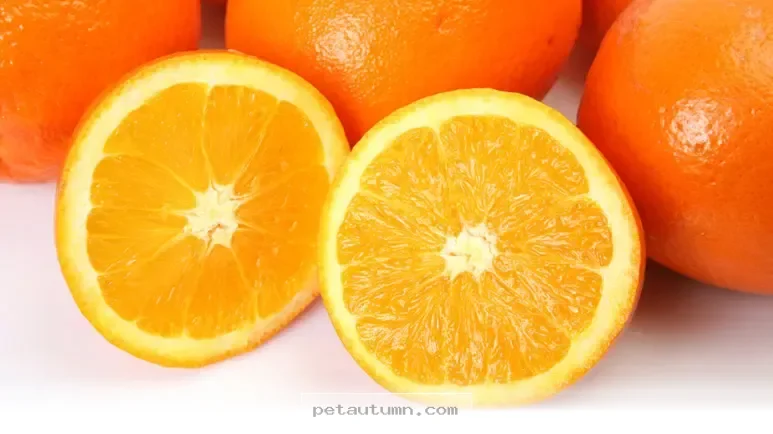
Oranges are a favorite snack for many of us, providing a burst of sunshine and sweetness on a cloudy afternoon. When you are peeling a fresh orange, your dog might sit nearby with hopeful eyes, wondering if they can snag a slice.
It is natural to be cautious about what you share with your canine companion. Fortunately, this juicy citrus fruit is generally safe for dogs when prepared the right way.
Key Takeaways
- Oranges contain beneficial vitamin C, flavonoids, and antioxidants that may support your dog’s immune system.
- Always remove the peel and seeds before sharing, as these parts can cause digestive upset or choking.
- Citrus oils found in the skin may be irritating to a dog’s stomach.
- Treat your dog to only one or two slices occasionally, as the sugar content can lead to loose stools.
- Never offer processed orange products, such as juice or canned fruit, which contain harmful added sugars.
The Nutritional Value of Oranges for Dogs
Many pet parents worry about the sugar content in fruit, but oranges offer a wealth of health-boosting compounds in moderation. They are packed with vitamin C, which plays a significant role in your dog’s overall wellness.
Beyond just a vitamin boost, oranges contain phytochemicals like tannins and saponins. These bioactive compounds are known for their antioxidant properties, which help keep your pup feeling their best.
1. How to Safely Prepare Oranges
Feeding your dog fruit requires a little bit of preparation to ensure they stay safe. Follow these simple steps to keep snack time enjoyable and risk-free.
- Peel the orange completely, ensuring no bits of the bitter rind remain.
- Carefully slice the fruit to inspect for and remove all seeds.
- Cut the orange into small, manageable pieces based on your dog’s size.
- Offer one or two pieces as an occasional treat rather than a meal.
2. Understanding the Risks of Citrus
While the fleshy part of the fruit is a tasty treat, other parts of the orange are best avoided. The peel and the pith contain essential oils that can cause significant stomach discomfort for sensitive dogs.
| Part of Orange | Status | Reason |
|---|---|---|
| Fleshy Fruit | Safe | Provides vitamins and hydration. |
| Seeds | Caution | Potential choking hazard. |
| Orange Peel | Warning | Contains oils that cause digestive irritation. |
Transitioning your dog to new snacks should always be done slowly to monitor their digestion.
3. Serving Guidelines for Your Pet
Even healthy foods should be given in moderation to avoid upsetting your dog’s delicate system. You might want to learn more about nutritional guidelines from the AKC to ensure you are providing a balanced diet.
- Keep all fruit treats under 10% of your dog’s total daily caloric intake.
- Avoid giving oranges to dogs with pre-existing stomach sensitivities or diabetes.
- Watch for signs of an upset tummy, such as vomiting or diarrhea, after trying a new food.
- Always keep fresh water available whenever you introduce new treats to your dog’s routine.
Why Quality Matters in Your Dog’s Diet
While oranges are a fun bonus, they should never replace the nutrients found in a high-quality, species-appropriate diet. Think of these slices as a special reward for a job well done during training sessions.
If you are looking for more information on pet health, you can visit the ASPCA website for a list of common household foods that are safe or toxic. Remember that every dog is unique, and what works for one pet might not work for another.
The information on petautumn.com is for general informational purposes only and does not constitute veterinary advice. Pet health needs vary by breed, age, and individual condition. Always consult a licensed veterinarian before making decisions about your pet’s health, diet, or medical treatment. Pet Autumn is not affiliated with any veterinary organization, pet food manufacturer, or breeder.
Choosing to share a slice of orange with your dog can be a sweet bonding moment if you take the right precautions. Just keep the peels in the trash and the seeds out of the bowl to ensure a happy snack time.
Keep an eye on how your pup reacts, and you will quickly see if this fruit is a winner in their book. Enjoy your next healthy snack break with your furry best friend by your side.

Cat care writer at petautumn.com. English Literature graduate (S.S) from Universitas Udayana. Covers cat breeds, behavior, nutrition, grooming, and health. Cat mom to Luna and Lina. Based in Austin, Texas.