Written by Kadek Darma
Watching your senior dog navigate the golden years can be a bittersweet experience. You might notice them slowing down during walks or needing a bit more help getting comfortable on the couch.
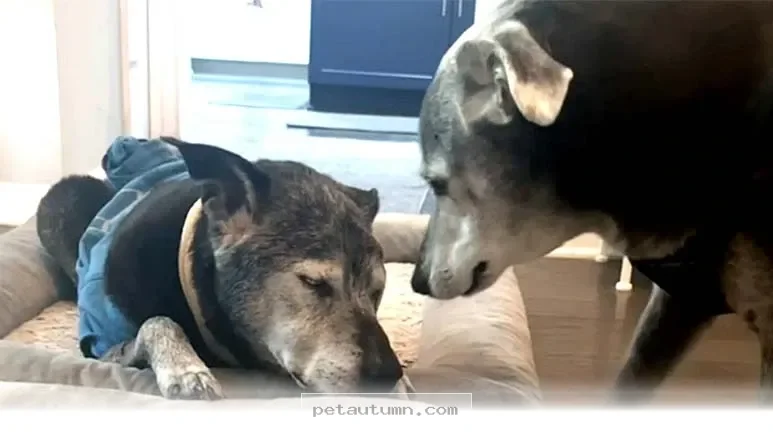
However, the bond between aging canine companions often grows stronger during these quiet chapters. Sometimes, one dog even takes on the role of a devoted caregiver for their brother or sister.
Key Takeaways
- Senior dogs often form deeper emotional bonds as they age together.
- Subtle behaviors like grooming or napping close by indicate a strong, supportive friendship.
- Providing a stable environment helps older dogs feel secure during health transitions.
- Consistent routine and gentle interaction support the emotional well-being of senior pets.
- Always observe your dogs for changes in behavior that may indicate pain or stress.
The Power of Canine Companionship
Dogs are social creatures by nature, and they often pick up on the physical limitations of their housemates. When one dog faces health hurdles, the other might naturally step into a supportive role.
You might see this manifest as gentle grooming sessions or simply sleeping side-by-side throughout the day. These quiet acts of service provide immense comfort to a dog struggling with mobility or chronic health issues.
Understanding Your Senior Dog’s Needs
As dogs enter their senior years, their needs change significantly. You should prioritize creating a space that minimizes stress and maximizes comfort.
1. Create a Comfortable Environment
Senior dogs often suffer from arthritis or stiff joints. Invest in orthopedic beds that provide support and make it easier for them to stand up.
2. Monitor Daily Habits
Keep a close eye on their appetite, water intake, and mobility levels. Small shifts in behavior can sometimes be the first sign of an underlying issue.
3. Maintain Gentle Exercise
Movement is still necessary for joint health. Short, frequent walks are usually better than one long excursion that might exhaust them.
Identifying Signs of Aging
Recognizing when your dog is struggling is the first step in providing better care. While every breed ages differently, there are common markers to look for in your senior companion.
- Increased time spent sleeping or napping
- Reluctance to jump on furniture or climb stairs
- Stiffness after waking up from a nap
- Noticeable changes in vision or hearing
- Seeking more physical contact or closeness with family
Comparison of Support Needs
When managing a household with an aging pet, it is helpful to organize your approach to care. This table breaks down how to manage common senior challenges.
| Challenge | Management Strategy |
|---|---|
| Joint Stiffness | Use orthopedic beds and ramps |
| Vision Loss | Keep furniture layout consistent |
| Chronic Pain | Schedule regular veterinary checkups |
| Anxiety | Maintain a calm, predictable routine |
Maintaining a consistent schedule helps reduce anxiety for aging dogs who may feel vulnerable.
Promoting Quality of Life
If you have two senior dogs, you might worry about how they interact during difficult times. Usually, the "built-in caregiver" dynamic provides a sense of security that humans cannot replicate.
Allowing them to spend time together is a natural way to boost their spirits. Ensure they have enough space to move away from each other if they need quiet time, but keep their sleeping areas close.
Essential Supplies for Senior Care
- Non-slip rugs for hardwood or tile floors
- Raised food and water bowls to reduce neck strain
- Orthopedic foam beds with removable covers
- Grooming wipes for gentle cleaning of the face and paws
- Nightlights to help dogs with vision loss navigate at night
You can find more information on senior health at AKC. For general wellness guidance, visit ASPCA.
The information on petautumn.com is for general informational purposes only and does not constitute veterinary advice. Pet health needs vary by breed, age, and individual condition. Always consult a licensed veterinarian before making decisions about your pet’s health, diet, or medical treatment. Pet Autumn is not affiliated with any veterinary organization, pet food manufacturer, or breeder.
Caring for a senior dog is a deeply rewarding journey that highlights the resilience of the canine spirit. By observing their needs and facilitating their friendships, you ensure they spend their twilight years feeling loved and supported.
Your patience and attention to detail during these years will make a world of difference for your loyal companions. Cherish every quiet morning and slow walk together, as these moments define the special bond you share.

Cat care writer at petautumn.com. English Literature graduate (S.S) from Universitas Udayana. Covers cat breeds, behavior, nutrition, grooming, and health. Cat mom to Luna and Lina. Based in Austin, Texas.