Written by Ayu Pratiwi
Finding a stray cat on your doorstep is a life-changing moment. You never quite know what kind of journey you are about to start together.
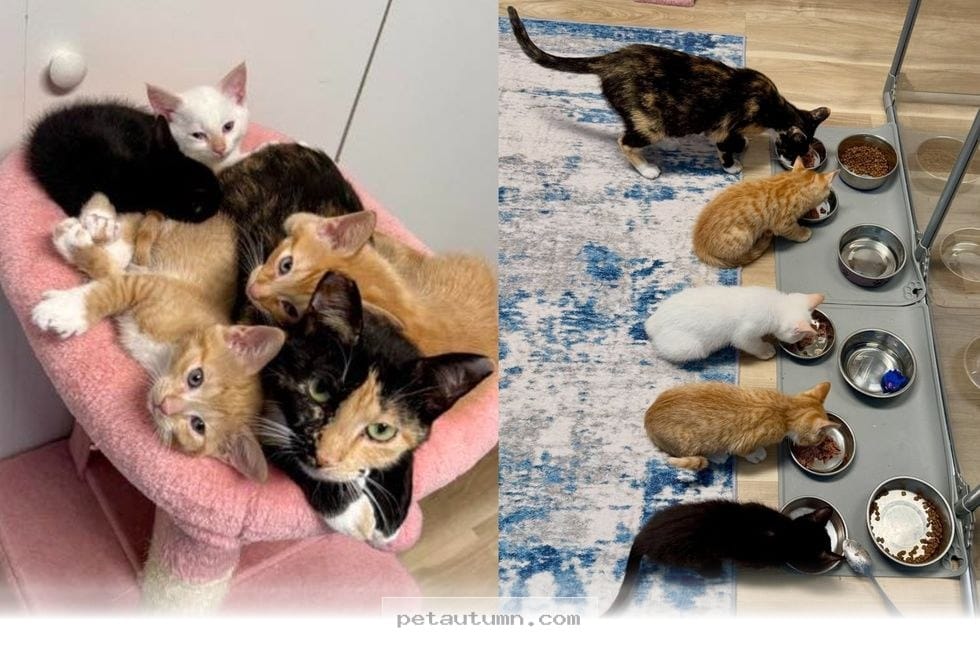
When a brave calico mother arrived at a local rescue, she brought a secret with her. She had a surprise litter of kittens and was determined to keep every single one of them safe.
Key Takeaways
- Stray mother cats often require specialized nutrition to support their nursing kittens.
- Creating a quiet, low-stress environment is essential for a rescue mom to feel safe.
- Socialization plays a massive role in helping feral or stray kittens transition to home life.
- Early veterinary checkups are vital for monitoring the health of both the mother and her babies.
Understanding the Needs of a Nursing Stray Cat
Rescuing a mother cat means you are actually helping an entire family at once. She has spent her energy keeping those little ones alive against all odds.
You should prioritize giving her a calm space away from household noise. This helps her realize she no longer needs to be on high alert for predators.
1. Essential Supplies for Nursing Moms
To keep the mother and her kittens healthy, you will need a few key items. Having these ready makes the transition much smoother for everyone involved.
- High-calorie, high-quality kitten food for the mother.
- A large, shallow nesting box with soft blankets.
- A low-sided litter box that kittens can easily climb into.
- Soft, unscented baby wipes for gentle grooming assistance.
- A heating pad set on low for the kittens to regulate temperature.
Moving into the next phase, you will want to focus on the nutritional requirements of a lactating cat.
Nutritional Support for Mother Cats
Nursing takes an incredible physical toll on a cat’s body. She needs extra calories to produce milk while maintaining her own strength.
You can learn more about proper feline nutrition through resources from the Cornell Feline Health Center. Always ensure she has constant access to fresh water throughout the day.
Comparison of Feeding Needs
| Dietary Stage | Primary Focus | Energy Requirement |
|---|---|---|
| Nursing Mother | High Protein/Fat | Very High |
| Weaning Kittens | Moist, Soft Food | High |
| Post-Weaning | Weight Maintenance | Moderate |
Monitoring the growth of the kittens is just as important as feeding the mom. Use this checklist to watch for common warning signs.
2. Monitoring Kitten Health
- Lethargy or lack of movement.
- Difficulty latching onto the mother for nursing.
- Visible discharge from the eyes or nose.
- Loss of appetite in the mother cat.
If you notice any of these signs, please contact your local clinic immediately. You can find more information on cat care standards at the ASPCA.
Socialization and Finding Forever Homes
Once the kittens are strong and active, they will start exploring their surroundings. This is the perfect time to introduce gentle, positive human interaction.
You should handle them softly to get them used to human touch. This builds the foundation for them to become wonderful, confident family pets.
The information on petautumn.com is for general informational purposes only and does not constitute veterinary advice. Pet health needs vary by breed, age, and individual condition. Always consult a licensed veterinarian before making decisions about your pet’s health, diet, or medical treatment. Pet Autumn is not affiliated with any veterinary organization, pet food manufacturer, or breeder.
Watching a stray cat finally relax and trust her human family is a beautiful experience. She protected her kittens when she had nothing, and now she deserves the best life possible.
If you are considering adopting a cat, check your local shelter first. You might just find a brave mama who is ready to leave her hard life behind for a soft couch.

Cat care writer at petautumn.com. English Literature graduate (S.S) from Universitas Udayana. Covers cat breeds, behavior, nutrition, grooming, and health. Cat mom to Luna and Lina. Based in Austin, Texas.