Written by Ayu Pratiwi
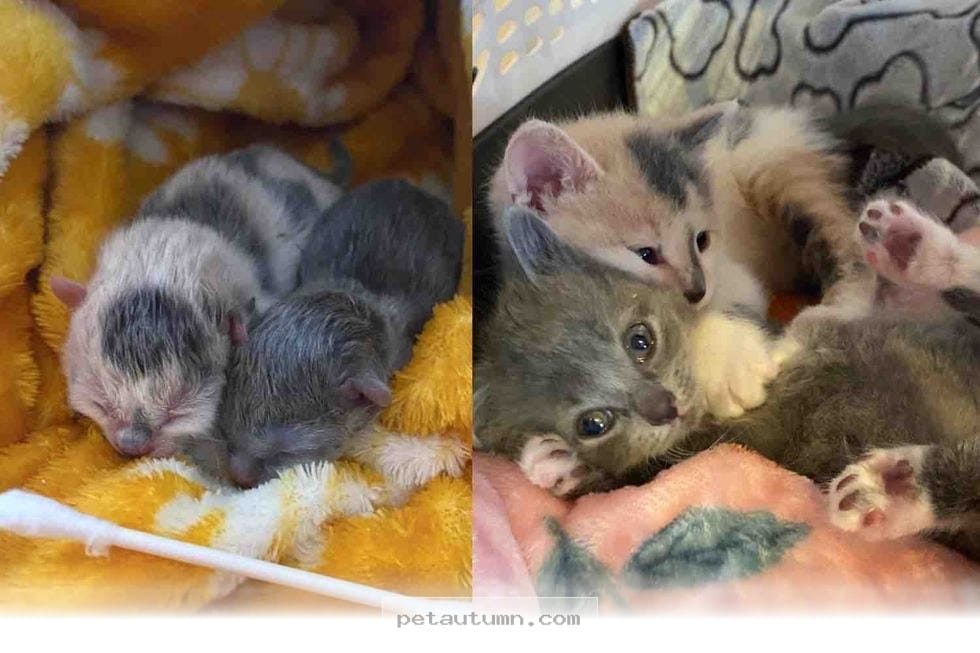
Finding a tiny bundle of life on your doorstep is an experience that changes everything. You might feel a mix of surprise, panic, and overwhelming love when you hear those first soft mews.
These newborns depend entirely on the care you provide. Helping them grow from fragile infants into healthy, affectionate companions is a journey you will cherish forever.
Key Takeaways
- Newborn kittens require consistent warmth, bottle feeding every few hours, and constant monitoring.
- Keeping bonded kittens together supports their emotional development and social skills throughout their lives.
- Early socialization is essential for helping feral-born kittens learn to trust human companions.
- Proper veterinary checkups are necessary to ensure they are meeting critical growth milestones.
Understanding the Needs of Newborn Kittens
When you find newborn kittens, your first priority is ensuring their safety and physical comfort. They cannot regulate their body temperature, so creating a warm, quiet, and secure environment is vital.
| Feature | Newborn (0-2 Weeks) | Transition (3-5 Weeks) |
|---|---|---|
| Feeding | Milk replacement every 2-3 hours | Weaning to wet food |
| Warmth | Needs heating pad (low) | Can maintain own heat |
| Environment | Confined, dark space | Larger, secure play area |
| Socialization | Minimal handling | Active playtime |
Following these guidelines ensures you are providing the best possible start for your new feline family members.
1. Create a Safe Haven
Prepare a clean box or crate lined with soft, washable blankets to mimic a nest. Keep this sanctuary in a quiet room away from household noise and other pets.
2. Monitor Their Temperature
Kittens lose heat rapidly, which can be dangerous for their tiny bodies. Use a heating pad set on low and keep it under only one half of the bedding so they can move away if they get too hot.
3. Establish a Feeding Routine
Newborns need a specific kitten milk replacer rather than cow milk. You should use a syringe or a small bottle to feed them slowly while they are lying on their stomachs to prevent choking.
4. Provide Gentle Stimulation
Mother cats normally groom their kittens to encourage digestion and bathroom habits. You must replicate this by gently rubbing their lower bellies and bottoms with a warm, damp cloth after every meal.
Moving forward, you will need to pay close attention to the behavioral signs that indicate your kittens are thriving.
Identifying Healthy Growth Signs
Watching your kittens grow is a rewarding process that happens surprisingly fast. You will notice them becoming more active, curious, and interactive as their senses fully develop.
- Clear, bright eyes without discharge.
- Steady weight gain every single day.
- Regular, firm bowel movements.
- Active attempts to stand and crawl.
- Consistent purring and vocalizing.
If you notice any lethargy, refusal to eat, or sneezing, you should contact a professional immediately. According to the ASPCA, early veterinary intervention is the most effective way to address health issues in young kittens.
The Importance of Keeping Bonded Pairs Together
Many rescues find that kittens left on doorsteps often come from feral mothers who abandon them for survival reasons. If you have found a litter, keeping them together is one of the kindest things you can do.
Benefits of Bonded Siblings
- Reduced anxiety during the weaning process.
- Natural learning of social boundaries through play.
- Improved confidence in new environments.
- Greater emotional stability as they reach adulthood.
When kittens grow up with a sibling, they learn how to manage their energy and play gently. This reduces the risk of biting or scratching behaviors when they eventually interact with you.
Transitioning to Solid Food
Around four weeks of age, you will notice your kittens showing interest in your food. This is the perfect time to begin the slow transition from milk replacement to high-quality canned kitten food.
| Food Type | Pros | Cons |
|---|---|---|
| Milk Replacer | Essential nutrients | Labor intensive |
| Wet Food | High hydration | Needs refrigeration |
| Dry Kibble | Convenient | Hard for small teeth |
Always ensure they have access to fresh, clean water in a shallow bowl once they begin eating solids. You can read more about feline nutrition requirements at Cornell Feline Health Center.
Building Trust with Feral-Born Kittens
If the kittens were born to a feral mother, they may be naturally shy or fearful of humans at first. You must be patient and allow them to approach you on their own terms.
Tips for Socialization
- Spend time sitting quietly in their room reading or talking softly.
- Offer high-value treats to create positive associations with your presence.
- Use interactive wand toys to play without needing direct touch.
- Keep movements slow and predictable to avoid startling them.
Building trust is a slow process that requires consistency and kindness. Your patience will eventually be rewarded when they finally curl up in your lap for the first time.
The information on petautumn.com is for general informational purposes only and does not constitute veterinary advice. Pet health needs vary by breed, age, and individual condition. Always consult a licensed veterinarian before making decisions about your pet’s health, diet, or medical treatment. Pet Autumn is not affiliated with any veterinary organization, pet food manufacturer, or breeder.
Welcoming these kittens into your home is a significant responsibility that offers endless rewards. By providing warmth, nutrition, and love, you are giving them the best chance at a happy life.
Remember that every kitten has a unique personality that will shine through as they grow. Enjoy every moment of their development and cherish the bond you have created with these special little survivors.

Cat care writer at petautumn.com. English Literature graduate (S.S) from Universitas Udayana. Covers cat breeds, behavior, nutrition, grooming, and health. Cat mom to Luna and Lina. Based in Austin, Texas.