Written by Ayu Pratiwi
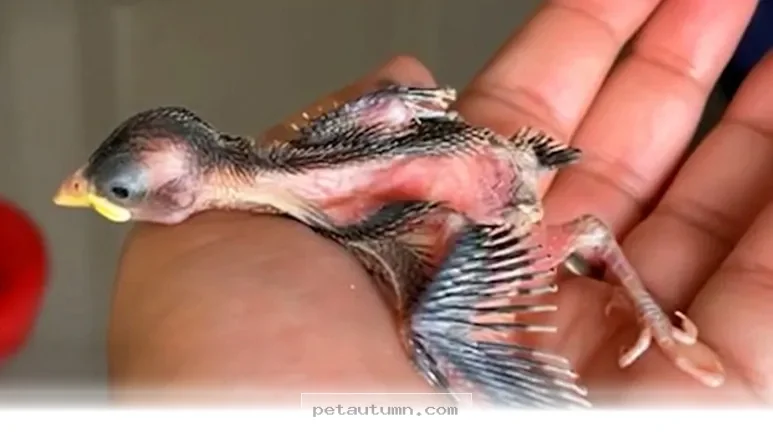
Have you ever wondered if a bird can truly choose its family? The story of Muffin, a resilient little bird who suffered a traumatic injury, proves that the bond between humans and their feathered companions runs incredibly deep.
After a frightening accident left her unable to fly, Muffin faced a long and uncertain recovery. Her journey from fear to finding her forever home reminds us that patience and love are the best medicines for any pet.
Key Takeaways
- Traumatic injuries can cause long-term anxiety in birds, requiring a gentle, slow approach to rehabilitation.
- Building trust with an injured bird starts with giving them the freedom to choose their interactions.
- Consistency in routine helps birds feel secure, even when they are struggling to regain their physical strength.
- Birds are highly social creatures that often seek comfort in the presence of their human family members.
Understanding Avian Trauma and Recovery
When a bird experiences a sudden injury, the psychological impact is often just as significant as the physical one. Muffin’s experience is a classic example of how fear can hinder the natural instinct to fly.
If you find yourself caring for a recovering bird, remember that the environment matters. Providing a safe, quiet space allows them to process their surroundings without feeling overwhelmed by sudden noises or movements.
1. Recognizing Signs of Stress
It is helpful to know what to look for when your bird is feeling anxious or uncomfortable. Keep an eye out for these common behavioral shifts:
- Excessive feather plucking or grooming.
- Reluctance to leave the cage or perch.
- Changes in vocalization patterns.
- Aggressive behavior or sudden biting.
- Loss of appetite or disinterest in treats.
The Path to Healing
Rehabilitation is never a straight line, especially for a small bird learning to trust again. For Muffin, the key was allowing her to stay out of her cage while keeping her safe from potential hazards in the home.
You should always consult with an avian veterinarian to ensure your pet is physically capable of activity. Once cleared, you can start small sessions to encourage movement and confidence.
2. Tips for Building Trust
- Sit quietly near the cage to let your bird get used to your presence.
- Use a calm, soft voice when speaking to them to reduce anxiety.
- Offer high-value treats from your hand to create positive associations.
- Never force your bird to step up or fly if they show signs of distress.
- Provide plenty of natural light and enrichment to boost their mood.
Comparing Approaches to Avian Care
Caring for an injured bird requires a shift in how you manage their daily life. The table below outlines how different care strategies compare when supporting a pet through recovery.
| Strategy | Impact on Bird |
|---|---|
| Positive Reinforcement | Increases confidence and trust. |
| Structured Routine | Reduces overall anxiety levels. |
| Forced Exercise | Causes stress and potential setbacks. |
| Sudden Environment Changes | Triggers fear and flight behavior. |
Consistency is the heartbeat of a successful recovery plan for your pet. When you show up for them every day, they begin to recognize that their environment is truly a sanctuary.
Creating a Safe Haven
When Muffin finally felt strong enough to fly, she did not fly away. Instead, she chose to stick by her family, proving that the bond built during recovery is a lasting one.
If you are currently helping a pet through a difficult time, be proud of the small victories. Every time they take a step toward you, they are saying thank you in their own special way.
The information on petautumn.com is for general informational purposes only and does not constitute veterinary advice. Pet health needs vary by breed, age, and individual condition. Always consult a licensed veterinarian before making decisions about your pet’s health, diet, or medical treatment. Pet Autumn is not affiliated with any veterinary organization, pet food manufacturer, or breeder.
Watching Muffin thrive is a beautiful reminder that our pets choose us just as much as we choose them. By providing a stable, loving home, you give them the best possible chance to recover and bloom.
Always remember that every bird has a unique personality and pace. Your patience will eventually be rewarded with a companion who trusts you above all else.
Dog care writer at petautumn.com. Visual Communication Design graduate (S.Ds) from Universitas Udayana. Covers dog breeds, behavior, training, and gear reviews. Dog dad to Meepo. Based in Austin, Texas.