Written by Kadek Darma
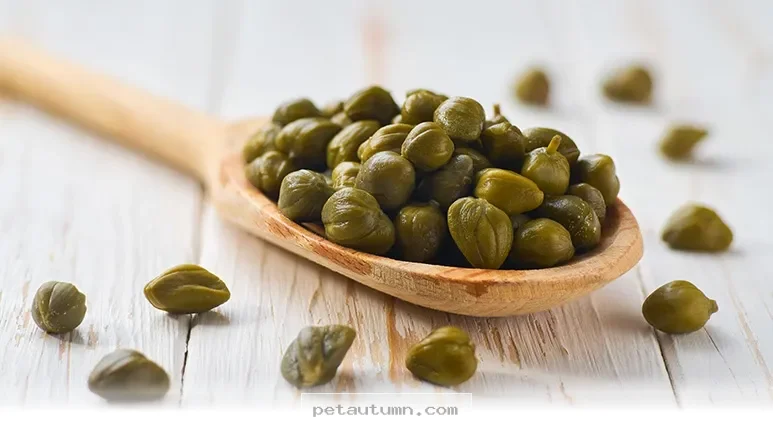
Those tiny, zesty green buds in your pantry are a Mediterranean kitchen staple. You might love tossing them into pasta or salads for a punch of flavor, but have you ever wondered if your dog can share in the culinary fun?
While these little flavor bombs are not toxic, they come with a significant catch that every pet owner needs to understand before sharing. Before you sprinkle them over your pup’s bowl, you need to know how to navigate the salt content and potential digestive upset.
Key Takeaways
- Capers are the unopened flower buds of the Capparis spinosa bush.
- They are a potent source of quercetin, which may help manage skin inflammation.
- Most store-bought capers are heavily salted or brined, which can be dangerous for pets.
- Always rinse or soak salted capers thoroughly to remove excess sodium before serving.
- Opt for oil-packed varieties when possible to avoid the high salt content of brined versions.
The Nutritional Potential of Capers
Capers are more than just a garnish; they are packed with bioactive compounds that offer potential health perks. Researchers have identified these buds as one of the richest natural sources of quercetin.
This specific flavonoid is often studied for its ability to help inhibit inflammatory mediators in the body. Some studies suggest it could even play a role in reducing the severity of atopic dermatitis in our canine companions.
Understanding the Salt Warning
The biggest issue with store-bought capers is how they are preserved for long-term shelf storage. Most jars found in your local grocery store are packed in intense salt brines.
Excessive sodium intake is a major concern for dogs and can lead to serious health complications. You should be aware of the signs that your dog may have consumed too much salt:
- Excessive thirst and frequent urination
- Lethargy and loss of appetite
- Vomiting or diarrhea
- Stumbling or uncoordinated walking
- Tremors or seizures in severe cases
Comparing Caper Preparation Methods
| Preparation Type | Suitability for Pets | Risk Level |
|---|---|---|
| Fresh/Uncured | Safe, but bitter | Low |
| Oil-Packed | Acceptable in small amounts | Low to Moderate |
| Salt-Brined | Requires thorough rinsing | High |
How to Safely Serve Capers
If you decide to offer these to your pet, you must prioritize the preparation process. Never serve them straight from a high-sodium brine jar.
- Check the label: Always look for capers packed in olive oil rather than salt brine.
- Desalinate: If you only have access to brined capers, soak them in fresh water for at least ten hours.
- Rinse thoroughly: Change the water multiple times during the soaking process to ensure the salt is removed.
- Start small: Introduce a tiny amount to see if your dog tolerates the flavor and texture.
- Monitor behavior: Watch your pet closely for any signs of stomach upset after their first taste.
For more information on safe human foods for dogs, you can visit resources like the American Kennel Club. You might also find helpful nutritional guidance through the Cornell University College of Veterinary Medicine. Always remember that human foods should only make up a tiny portion of your dog’s daily intake.
The information on petautumn.com is for general informational purposes only and does not constitute veterinary advice. Pet health needs vary by breed, age, and individual condition. Always consult a licensed veterinarian before making decisions about your pet’s health, diet, or medical treatment. Pet Autumn is not affiliated with any veterinary organization, pet food manufacturer, or breeder.
When it comes to your pet’s diet, moderation is the golden rule. While the phytochemicals in capers are impressive, they should never replace a balanced, vet-approved diet.
If you are ever unsure about adding a new item to your pet’s bowl, reach out to your local vet. They can help you determine if a treat fits your dog’s specific health profile and dietary needs.

Cat care writer at petautumn.com. English Literature graduate (S.S) from Universitas Udayana. Covers cat breeds, behavior, nutrition, grooming, and health. Cat mom to Luna and Lina. Based in Austin, Texas.