Written by Kadek Darma
When life gives you lemons, you might wonder if they have a place in your dog’s bowl. While it may seem like an unconventional addition to your pet’s diet, this bright yellow fruit is packed with nutrients that can support their overall wellness when handled correctly.
Learning the proper way to incorporate lemon into your dog’s meals ensures they get the benefits without any unnecessary digestive upset. With a bit of knowledge and the right preparation, you can safely offer this citrus fruit as a fresh, zesty addition to their snacks.
Key Takeaways
- Lemons provide essential nutrients like vitamin C, folate, and potassium that support immune and muscle function.
- The edible fruit pulp and juice are safe for dogs, but rinds, seeds, and leaves should always be avoided.
- Always choose organic or spray-free lemons to avoid pesticide residue on the fruit skin.
- Use lemon juice in moderation, typically limited to small amounts in homemade treats.
- Watch for signs of stomach sensitivity, as the acidity of lemon can be harsh for some pets.
The Nutritional Value of Lemons
Lemons are more than just a sour garnish; they are rich in bioactive compounds that have been studied for their potential health-promoting properties. These compounds, including citric acid and various phenolics like hesperidin, may play a role in reducing oxidative stress and supporting healthy inflammatory responses.
Beyond these compounds, lemons are a natural source of important vitamins and minerals. While dogs can synthesize some of their own vitamin C, obtaining it through dietary sources can help maintain healthy connective tissues and support the immune system during various life stages.
1. Why Preparation Matters
Most conventional lemons found in grocery stores are treated with fungicides or pesticides on their outer peels. Because your pet is smaller than a human, even trace amounts of these chemicals can be problematic for their system.
Always wash your fruit thoroughly or choose certified organic options to ensure you are not introducing toxins into your dog’s treats. By removing the rind entirely, you also eliminate the risk of your dog ingesting the concentrated oils that can cause digestive distress.
2. Safe Serving Guidelines
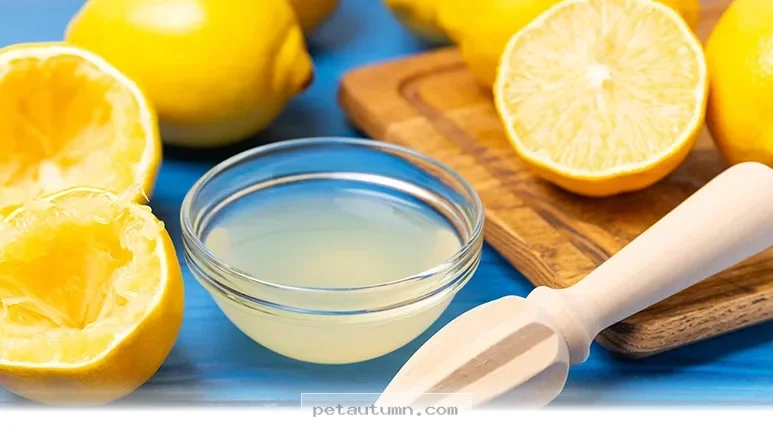
The tart, acidic nature of lemon juice is rarely appealing to dogs on its own, so it is best to hide it in other foods. You should only use the juice of the fruit, never the seeds or the thick, bitter skin.
| Component | Status | Reasoning |
|---|---|---|
| Lemon Juice | Safe | Contains vitamins and minerals; use in small quantities. |
| Lemon Pulp | Safe | Edible and nutritious when provided in moderation. |
| Lemon Rind | Caution | Often contains pesticide residue and concentrated oils. |
| Lemon Seeds | Warning | Can pose a choking hazard or cause intestinal blockage. |
| Lemon Leaves | Warning | Not intended for consumption and may cause GI upset. |
3. How to Incorporate Lemon Into Treats
If you decide to add lemon to your dog’s diet, consistency and portion control are your best friends. A good rule of thumb is to stick to a very small serving, such as 1/8 to 1/4 teaspoon of fresh juice, mixed thoroughly into a larger batch of homemade dog biscuits or frozen treats.
By mixing the juice into a dough or liquid base before baking or freezing, you dilute the acidity and make the flavor much more palatable for your pup. If your dog turns their nose up at the taste, respect their preference and skip the ingredient entirely; there are plenty of other healthy fruits for dogs they might enjoy more.
Watch for These Symptoms
Even when following safety guidelines, every dog reacts differently to new ingredients. Keep a close eye on your pet after introducing anything new to their diet and look for the following:
- Vomiting or excessive drooling
- Diarrhea or loose stools
- Unusual lethargy
- Skin rashes or irritation
- Signs of abdominal discomfort
The information on petautumn.com is for general informational purposes only and does not constitute veterinary advice. Pet health needs vary by breed, age, and individual condition. Always consult a licensed veterinarian before making decisions about your pet’s health, diet, or medical treatment. Pet Autumn is not affiliated with any veterinary organization, pet food manufacturer, or breeder.
While lemons can be a safe, nutrient-dense addition to a well-balanced diet, they should never replace the primary sources of nutrition your dog receives. Always prioritize a high-quality, protein-rich diet as the foundation of your pet’s health.
If you ever feel unsure about how your dog is handling a new food, your local veterinarian is the best resource for personalized guidance. With patience and careful observation, you can provide your pet with the variety they deserve while keeping their health in top condition.

Dog care writer at petautumn.com. Visual Communication Design graduate (S.Ds) from Universitas Udayana. Covers dog breeds, behavior, training, and gear reviews. Dog dad to Meepo. Based in Austin, Texas.