Written by Kadek Darma
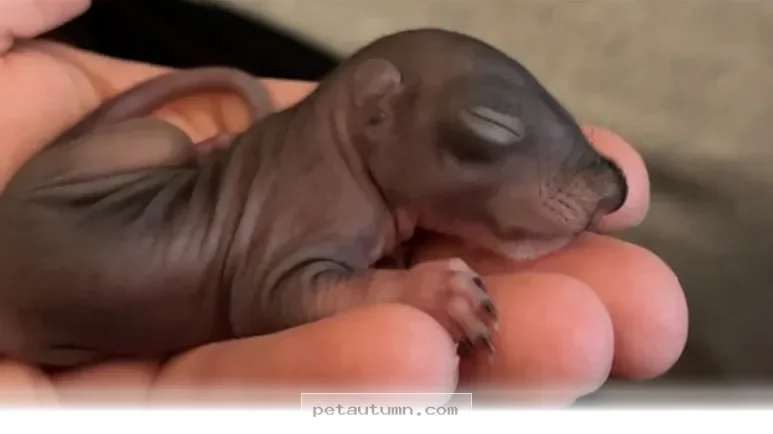
Finding an orphaned baby squirrel in your yard is a moment that pulls at your heartstrings. You see a tiny, fragile creature in need of help, and your natural instinct is to step in and offer protection.
Caring for these wild animals requires more than just good intentions and a warm blanket. It demands a significant commitment of time, specialized knowledge, and a deep understanding of their unique needs before they can thrive back in nature.
Key Takeaways
- Orphaned squirrels require around-the-clock feedings every two hours during their early development.
- Wild animals need specialized care to prevent human imprinting and ensure survival skills.
- Professional wildlife rehabilitators are the best resource for sick or injured wildlife.
- You must prioritize safety and hygiene to protect both yourself and the animal.
- The ultimate goal is always a successful release back into the wild.
Understanding the Needs of Orphaned Squirrels
When you encounter a baby squirrel, your first step should always be to assess the situation calmly. Many times, mother squirrels move their babies one by one and may return for the one you found.
If you are certain the mother is gone or the baby is clearly injured, you need to act quickly. Always use gloves or a thick cloth to handle them to prevent bites or the spread of zoonotic diseases.
1. Identifying Potential Distress
Before you intervene, observe the animal from a distance to check for signs of trouble. If you notice these symptoms, the squirrel likely needs professional assistance:
- Dehydration (skin tenting when gently pinched)
- Visible injuries, bleeding, or broken limbs
- Lethargy or an inability to stand
- Presence of fly eggs or larvae on the body
- Cold to the touch or shivering constantly
Preparing for Wildlife Rehabilitation
If you decide to help, you must understand that this is not like caring for a domestic pet. Wild animals have instincts that must be preserved, and they do not view humans as companions in the way dogs or cats do.
Before you begin, consult the ASPCA for guidance on local wildlife regulations. It is often illegal to keep wild animals without a permit, so connecting with a licensed rehabilitator is your safest path forward.
Comparison of Care Responsibilities
| Feature | Domestic Pet Care | Wildlife Rehabilitation |
|---|---|---|
| Feeding Schedule | Consistent/Routine | Frequent/Round-the-clock |
| Human Interaction | Encouraged/Social | Minimized to prevent imprinting |
| Environment | Household living | Naturalistic, quiet enclosure |
| Goal | Long-term companionship | Successful release to nature |
Essential Steps for Temporary Care
If you must hold the animal overnight, creating a stress-free environment is vital. Keep the squirrel in a small, dark box lined with fleece and away from the noise of your household.
1. Maintain Proper Body Temperature
Baby squirrels cannot regulate their own body heat. You can use a heating pad set to low, placed under only half of the box so the baby can move away if it gets too warm.
2. Hydration and Feeding
Never attempt to feed a cold squirrel, as their digestive systems will not function properly. Use an electrolyte solution first, and only move to specialized formula if a veterinarian or rehabber instructs you to do so.
3. Preventing Imprinting
To ensure the squirrel remains wild, keep human interaction to the absolute minimum. Do not talk to the squirrel, handle it unnecessarily, or treat it like a house pet.
4. Transitioning to the Wild
As the squirrel grows, it needs a large outdoor enclosure to practice climbing and foraging. This process, often called soft release, helps the animal build muscle and confidence before it enters the wild full-time.
Professional Support vs. DIY Care
Attempting to raise a wild animal alone is risky for both the animal and your own safety. Professional rehabilitators have the resources to provide the correct diet and medical treatment that a home environment simply cannot replicate.
| Potential Benefit | Potential Risk |
|---|---|
| Providing a second chance at life | High risk of improper nutrition |
| Learning about local wildlife | Danger of human imprinting |
| Immediate comfort for the animal | Exposure to parasites or disease |
| Watching them grow and thrive | Legal consequences for illegal possession |
If you feel overwhelmed, remember that you have already done a great service by keeping the animal safe and warm. Reach out to local wildlife rescue centers to find a professional who can finish the job properly.
The information on petautumn.com is for general informational purposes only and does not constitute veterinary advice. Pet health needs vary by breed, age, and individual condition. Always consult a licensed veterinarian before making decisions about your pet’s health, diet, or medical treatment. Pet Autumn is not affiliated with any veterinary organization, pet food manufacturer, or breeder.
Raising a baby squirrel is an intense, life-changing experience that requires immense patience and selflessness. While the bond you feel might be strong, the greatest act of love is preparing that animal for a life of freedom in the treetops.
Thank you for being a voice for wildlife and choosing to help a creature in need. Your compassion makes a real difference in the lives of the animals that share our world.

Dog care writer at petautumn.com. Visual Communication Design graduate (S.Ds) from Universitas Udayana. Covers dog breeds, behavior, training, and gear reviews. Dog dad to Meepo. Based in Austin, Texas.