Written by Ayu Pratiwi
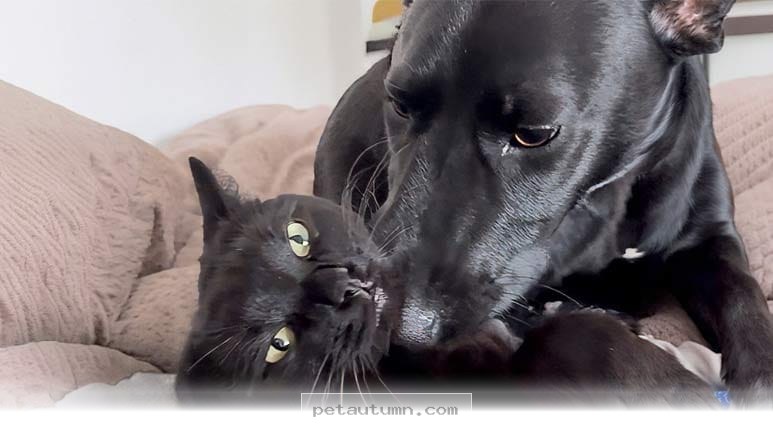
Have you ever caught your cat engaging in some truly bizarre behavior that left you scratching your head? Perhaps you have seen your feline friend pinning another cat down for what looks like a playful, yet intense, grooming session that involves a lot of nibbling.
It might look a little aggressive at first glance, but often, this is just a unique way for cats to express their affection. Watching your pets bond in their own strange way is one of the joys of being a cat owner.
Key Takeaways
- Nibbling behavior in cats is often a sign of deep affection and social bonding.
- Understanding feline body language helps you distinguish between play and genuine aggression.
- Cats have diverse ways of showing love, from head bunting to gentle grooming.
- Supervision is always a good idea when cats engage in rough-and-tumble play.
Understanding Feline Love Languages
If you are a multi-cat household, you have likely noticed that your cats develop their own secret language. While humans express love through words and hugs, cats rely on subtle physical cues, vocalizations, and shared activities to build their relationships.
When one cat pins another and begins nibbling, they are often participating in a behavior known as allogrooming. This is a vital social activity that reinforces the bond between two feline companions who trust one another completely.
Why Do Cats Nibble Each Other?
1. Social Grooming and Bonding
For cats, grooming is a serious business that goes beyond simple hygiene. When your cat nibbles or licks their friend, they are helping to clean areas that are difficult to reach, such as the ears or the back of the neck.
This physical closeness is a sign of immense comfort and security. By nibbling, your cat is saying that they feel safe enough to be vulnerable with their companion.
2. Playful Displays of Affection
Sometimes, what looks like a tiny wrestling match is actually a game of high-energy play. Cats often use these interactions to practice their hunting skills in a safe, controlled environment.
If both cats have relaxed tails and soft ears, they are likely just having fun together. If the interaction remains balanced, with each cat taking turns, you can generally feel comfortable letting them continue.
3. Establishing Hierarchy
Occasionally, nibbling can be a way for one cat to assert dominance in a gentle, non-threatening manner. This behavior is usually harmless and helps the cats establish their roles within the household dynamic.
It is normal for cats to figure out these boundaries on their own without human intervention. Keep an eye out for signs that the behavior is becoming too intense, such as hissing or swatting.
Comparing Feline Interaction Styles
Not all cat behaviors are created equal, and it helps to recognize the difference between playful nibbling and actual conflict.
| Behavior | Signs of Play/Love | Warning Signs |
|---|---|---|
| Body Posture | Relaxed, fluid movements | Stiff body, puffed fur |
| Vocalizations | Quiet or soft chirps | Hissing, growling, yelping |
| Nibbling | Gentle, controlled pressure | Hard biting, drawing blood |
| Reaction | Reciprocating the grooming | Trying to flee or hide |
How to Support Healthy Socialization
If you want to ensure your cats maintain a healthy and loving relationship, there are a few simple things you can do. Providing plenty of vertical space, such as cat trees or shelves, allows them to have personal time when they need a break.
- Provide Environmental Enrichment: Ensure both cats have enough toys and scratchers to prevent boredom.
- Monitor Their Interactions: Always keep an eye on them during the first few months of living together.
- Maintain Separate Resources: Have at least one litter box per cat plus an extra one to reduce stress.
- Reward Positive Behavior: Give your cats treats when you see them relaxing near each other peacefully.
For more information on understanding your pet’s needs, you can visit resources like the ASPCA for behavior tips. Proper socialization and a stress-free environment are the best gifts you can give your feline friends.
The information on petautumn.com is for general informational purposes only and does not constitute veterinary advice. Pet health needs vary by breed, age, and individual condition. Always consult a licensed veterinarian before making decisions about your pet’s health, diet, or medical treatment. Pet Autumn is not affiliated with any veterinary organization, pet food manufacturer, or breeder.
Watching your cats play and groom each other is a heartwarming reminder of the deep connections animals can form. It is a privilege to observe these quiet moments of love within our own homes.
If you ever notice a sudden change in behavior, such as one cat becoming unusually aggressive or withdrawn, it is always a good idea to reach out to your veterinarian. Maintaining a close eye on their interactions ensures that your home remains a happy and harmonious space for every member of your furry family.

Dog care writer at petautumn.com. Visual Communication Design graduate (S.Ds) from Universitas Udayana. Covers dog breeds, behavior, training, and gear reviews. Dog dad to Meepo. Based in Austin, Texas.