Written by Kadek Darma
Your dog has been squatting to pee every few minutes and coming up with nothing but a dribble. You have been down this road before with the veterinary clinic, the culture, the antibiotics, and the frustrating wait for the next flare-up.
Recurrent urinary tract infections are exhausting for both you and your pet. While antibiotics remain essential, many veterinarians are now utilizing a simple, naturally occurring sugar called D-mannose to help keep your pet’s bladder healthy.
Key Takeaways
- D-mannose is a simple sugar found in fruits like cranberries that prevents E. coli from sticking to bladder walls.
- Unlike antibiotics, this sugar works through a physical mechanism, meaning bacteria cannot develop resistance to it.
- It is most effective as a preventive measure for pets prone to recurrent infections rather than a treatment for active ones.
- Always consult your veterinarian to ensure your pet does not have underlying issues like bladder stones or tumors.
- Research suggests it can significantly reduce the recurrence rate of urinary tract infections when used consistently.
Why Urinary Issues Persist
Urinary tract infections are one of the most common reasons dogs visit the American Kennel Club for health guidance. While some pets experience a single infection, others deal with chronic cycles that seem to return despite aggressive treatment.
This recurring cycle is often caused by E. coli, a bacteria that thrives when the bladder is not emptied completely. Other triggers include bladder stones, obesity, diabetes, or simply not getting enough fresh water throughout the day.
Understanding D-Mannose
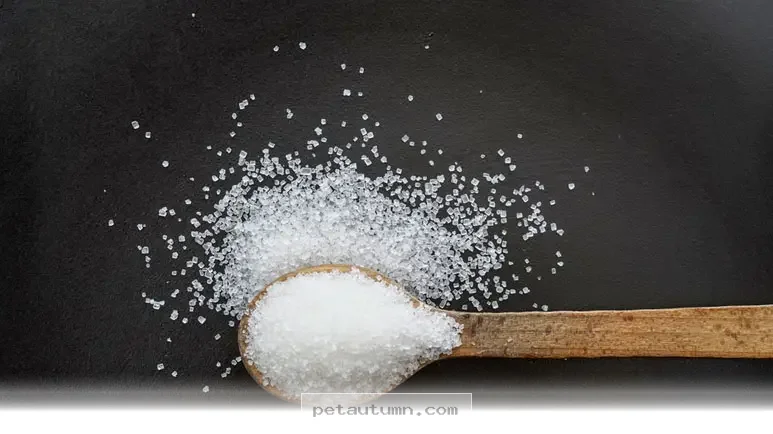
D-mannose is a simple six-carbon sugar closely related to glucose. It is found in small amounts in various fruits, including apples, peaches, and blueberries.
The unique benefit of D-mannose is that it is not metabolized like typical sugars. Once ingested, it passes through the body and is filtered into the urine largely unchanged, which is exactly where it needs to be to work.
How It Works
Most E. coli bacteria use tiny, hair-like projections to anchor themselves to the lining of the bladder. These projections act like hooks that search for specific sugar receptors on your pet’s cells.
When your pet has a sufficient level of D-mannose in their urine, the bacteria grab onto the sugar molecules instead of the bladder wall. Once they are attached to these floating sugars, they lose their grip and are easily flushed out during normal urination.
Comparison: Traditional Antibiotics vs. D-Mannose
| Feature | Antibiotics | D-Mannose |
|---|---|---|
| Primary Action | Kills bacteria | Flushes bacteria out |
| Resistance Risk | High | None |
| Usage | Active infection treatment | Preventive support |
Incorporating D-Mannose into Your Routine
Before adding any new supplement to your dog’s diet, you must verify the cause of the urinary issue with your veterinarian. You should rule out structural problems, such as bladder stones or tumors, which require specific medical interventions.
Steps for Success
- Confirm with your vet that your dog is a candidate for D-mannose supplementation.
- Purchase a high-quality, pure D-mannose powder to avoid unnecessary fillers or sweeteners.
- Administer the supplement consistently as directed to maintain effective levels in the urine.
- Monitor your pet’s behavior and hydration levels closely during the adjustment period.
- Schedule follow-up appointments to track the frequency of urinary issues over time.
D-mannose is not a replacement for medical care during an active, painful infection, but it serves as a powerful ally for long-term bladder health.
The information on petautumn.com is for general informational purposes only and does not constitute veterinary advice. Pet health needs vary by breed, age, and individual condition. Always consult a licensed veterinarian before making decisions about your pet’s health, diet, or medical treatment. Pet Autumn is not affiliated with any veterinary organization, pet food manufacturer, or breeder.
Managing your pet’s health can feel overwhelming, but tools like D-mannose offer a gentle way to support their well-being. By focusing on prevention and working closely with your vet, you can help keep your companion comfortable and happy.
If you ever notice a change in your pet’s bathroom habits, do not hesitate to reach out to a professional. Early intervention is always the best way to ensure your furry friend stays healthy for years to come.

Cat care writer at petautumn.com. English Literature graduate (S.S) from Universitas Udayana. Covers cat breeds, behavior, nutrition, grooming, and health. Cat mom to Luna and Lina. Based in Austin, Texas.