Written by Kadek Darma
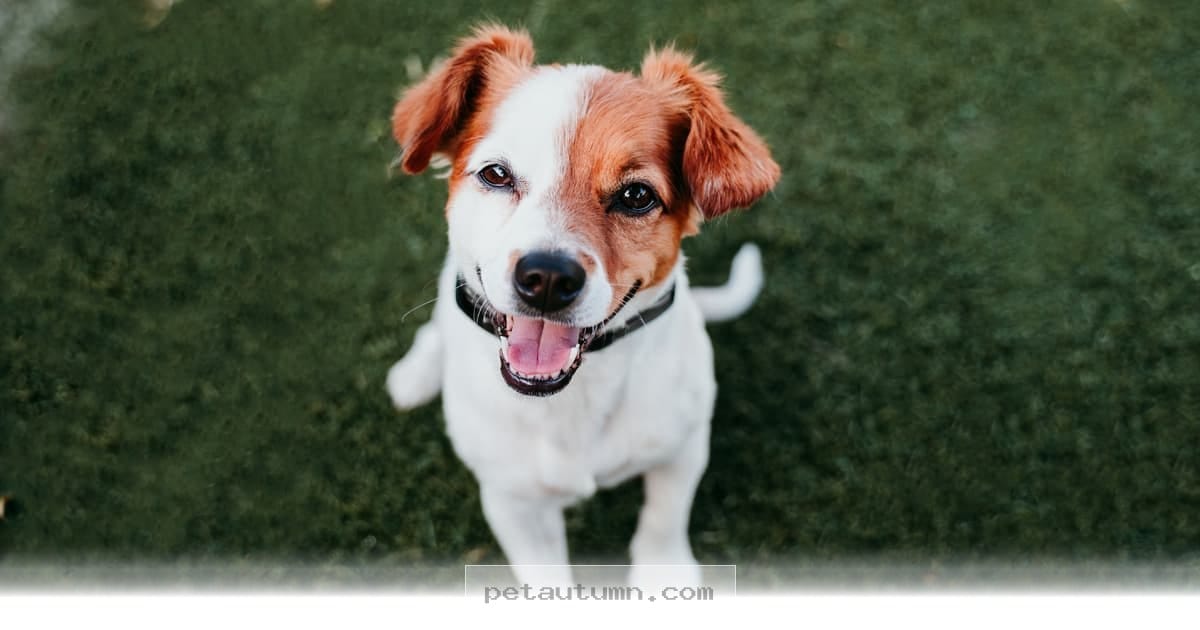
There is nothing quite like looking over at your dog and seeing what looks like a big, happy grin. Their mouth is open, their tongue is out, and their whole face seems to say they are having the best time of their life.
But do dogs actually smile the same way humans do, or are we just seeing what we want to see? It is a question many dog owners ask when their companion looks relaxed, playful, or proud of themselves.
Key Takeaways
- Dog smiles often indicate relaxation or happiness rather than human-style amusement.
- Always observe the entire body, as a stiff posture changes the meaning of a grin.
- Submissive grins are common behaviors used by dogs to appear friendly or non-threatening.
- Context is everything when trying to determine if your dog is feeling playful or stressed.
Can Dogs Smile Like Humans Do?
Humans smile for many reasons, including happiness, nervousness, or even social politeness. Dogs possess a wide range of facial expressions, but they do not always correlate with human emotions.
A dog smile usually involves a relaxed, open mouth with loose lips. Sometimes, the tongue may hang out, creating a charming, goofy appearance that many owners find endearing.
To determine if your pup is happy, you should observe their body language alongside their facial expression. A truly happy dog typically exhibits soft eyes, a wagging tail, and a loose, wiggly posture.
| Expression Type | Physical Indicators | Typical Meaning |
|---|---|---|
| Relaxed Smile | Soft eyes, loose lips, wiggly body | Happiness or contentment |
| Submissive Grin | Lips pulled back, squinting, tail low | Appeasement or feeling nervous |
| Warning Sign | Stiff body, staring, tight mouth | Fear, stress, or aggression |
Understanding these nuances helps you decode your dog’s feelings during daily interactions.
Why Do Dogs Smile?
Dogs might smile simply because they are physically relaxed or having fun. When a dog feels safe and joyful, their facial muscles naturally slacken into that familiar, open-mouthed expression.
Some dogs learn that smiling results in positive feedback from their favorite people. If you laugh or offer praise when your dog grins, they may repeat that behavior to get your attention again.
- Positive Reinforcement: Your dog realizes their grin makes you happy.
- Physical Relaxation: A tired or happy dog naturally relaxes their jaw.
- Appeasement: A submissive grin helps the dog navigate social interactions peacefully.
Learning how to read your dog’s facial expressions can help you better understand their unique personality.
Do Dogs Smile When They Are Happy?
Yes, dogs often appear to smile when they are truly happy. You might notice this expression during play sessions, while greeting you at the door, or during a rewarding walk.
Happiness is rarely shown through the face alone. A joyful dog usually wiggles their entire body, moves their tail in a sweeping motion, and maintains soft, inviting eyes.
How to Identify a Happy Smile
- Open mouth with loose, relaxed lips.
- Tongue hanging out naturally.
- Soft, almond-shaped eyes.
- Relaxed ears rather than pinned back.
- A loose, wiggly body posture.
When you see these signs together, you can be confident your dog is having a great time.
Decoding the Guilty or Nervous Look
Many owners have seen their dog make a sheepish face after they get into the trash or chew something forbidden. You might think they look guilty, but this is likely a human projection of our own feelings.
What we call a guilty smile is often an appeasement behavior. Your dog recognizes your tone or body language is upset and tries to calm you down.
They may lower their body, tuck their tail, or pull their lips back into a submissive grin. These actions are designed to tell you they are not a threat, which helps to de-escalate the situation.
When a Smile Is Actually a Warning
Not every toothy expression is friendly. If your dog shows their teeth while their body remains frozen or stiff, they are likely feeling uncomfortable or threatened.
A warning sign often includes a tense mouth, a fixed stare, or ears pinned flat against the head. If you notice these traits, give your dog some space to avoid an unwanted interaction.
When to Consult a Professional
- If your dog suddenly changes their normal facial behavior.
- If you see signs of drooling or difficulty opening the mouth.
- If the dog exhibits consistent signs of fear or aggression.
- If you are unsure about interpreting their body language.
You can learn more about canine behavior through resources like the American Kennel Club.
The information on petautumn.com is for general informational purposes only and does not constitute veterinary advice. Pet health needs vary by breed, age, and individual condition. Always consult a licensed veterinarian before making decisions about your pet’s health, diet, or medical treatment. Pet Autumn is not affiliated with any veterinary organization, pet food manufacturer, or breeder.
Dogs may not smile exactly like people, but they certainly communicate their internal state through facial expressions. By paying attention to the whole picture, you can build a deeper bond with your furry friend.
Take the time to observe your dog during different activities to learn their specific language. The more you watch, the better you will become at recognizing when they are truly happy or simply need a little extra support.

Dog care writer at petautumn.com. Visual Communication Design graduate (S.Ds) from Universitas Udayana. Covers dog breeds, behavior, training, and gear reviews. Dog dad to Meepo. Based in Austin, Texas.