Written by Kadek Darma
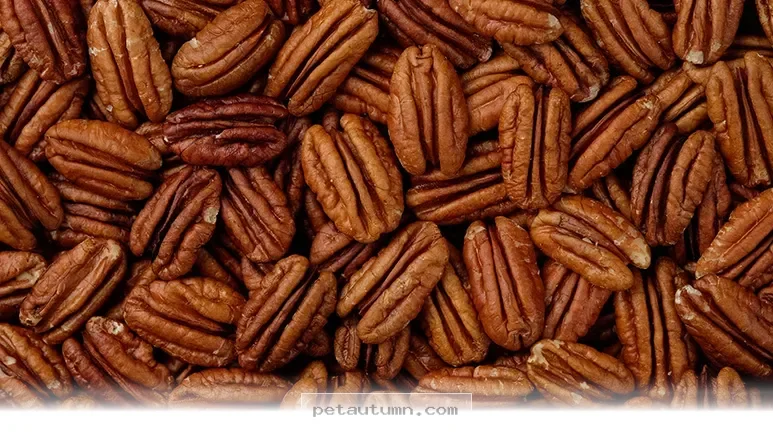
You might recognize the pecan as a classic holiday staple, but did you know this crunchy tree nut is more than just a seasonal treat? These nutrient-dense snacks offer a variety of health benefits that could support your pet’s well-being when served correctly.
Native to North America, pecans have been enjoyed for thousands of years, and today, you can safely share this wholesome snack with your furry companion. Understanding how to incorporate them into your pet’s diet ensures they get the benefits without the risks associated with improper serving sizes.
Key Takeaways
- Pecans contain beneficial fatty acids like oleic acid, which may help support a healthy inflammatory response.
- They provide a source of antioxidants, including EGCG, which is also found in green tea.
- Always crush or chop pecans into small pieces to prevent choking hazards.
- Pecans should be served raw and unsalted, as processed additives can be harmful to pets.
- Always consult your veterinarian before introducing new human foods into your pet’s regular meal plan.
The Nutritional Power of Pecans
The unique composition of nutrients found in pecans makes them a surprisingly healthy food for your pet. From vitamins and minerals to bioactive compounds, these nuts provide a synergistic boost to your pet’s daily nutrition.
Pecans are rich in oleic acid, which typically makes up the majority of their oil content. This monounsaturated fat is known for its potential to help lower inflammation and improve insulin sensitivity in the body.
Why Your Pet Might Benefit
Pecans contain a variety of compounds that go beyond simple calories, acting as small, nutrient-packed supplements for your dog. If you are looking for a healthy, occasional snack, these nuts can be a great addition when managed properly.
| Nutrient | Potential Benefit |
|---|---|
| Oleic Acid | May help reduce systemic inflammation. |
| Thiamin | Supports nerve function and energy metabolism. |
| Copper | Essential for red blood cell production and skin health. |
| Fat Content | High energy; monitor portions to avoid weight gain. |
Transitioning your pet to new snacks requires caution, especially regarding how you prepare and portion these items for daily consumption.
1. Safety First: How to Serve
Many pet owners mistakenly believe all nuts are toxic, but this is largely a misunderstanding regarding choking hazards and fat content. Aside from macadamia nuts, which can cause significant digestive distress, most raw, unsalted nuts are safe in moderation.
- Chop them up: Never give a whole pecan, as it poses a significant choking risk.
- Keep it raw: Avoid roasted or flavored varieties, as added salt, sugar, or spices can be dangerous.
- Check the quality: Choose organic, spray-free pecans from reputable growers to ensure your pet is not consuming unnecessary chemicals.
- Watch the portions: Pecans are calorie-dense, so treat them as a small, occasional topper rather than a meal replacement.
2. Recognizing Potential Issues
While pecans are generally safe, you should monitor your pet closely after they try a new food. If your pet has a sensitive stomach, even healthy fats can occasionally lead to digestive upset if they consume too much at once.
- Choking: Small dogs are particularly at risk, so ensure the nut is crushed into tiny pieces.
- Gastrointestinal Upset: Excessive fat intake can sometimes lead to vomiting or diarrhea.
- Allergic Reactions: As with any new food, watch for signs of skin irritation or itching.
- Weight Gain: Because these nuts are high in healthy fats, it is important to adjust your pet’s total daily calorie intake accordingly.
The information on petautumn.com is for general informational purposes only and does not constitute veterinary advice. Pet health needs vary by breed, age, and individual condition. Always consult a licensed veterinarian before making decisions about your pet’s health, diet, or medical treatment. Pet Autumn is not affiliated with any veterinary organization, pet food manufacturer, or breeder.
Always remember that your pet’s nutritional needs are specific to their life stage and activity level. While a crushed pecan can be a tasty, antioxidant-rich reward, it should always be offered as part of a balanced and vet-approved diet.
If you are curious about other healthy snacks for your dog, you can find more information on dietary guidelines at the American Kennel Club. By staying informed and choosing high-quality, whole-food treats, you can keep your pet happy, healthy, and excited for their next snack time.

Dog care writer at petautumn.com. Visual Communication Design graduate (S.Ds) from Universitas Udayana. Covers dog breeds, behavior, training, and gear reviews. Dog dad to Meepo. Based in Austin, Texas.