Written by Kadek Darma
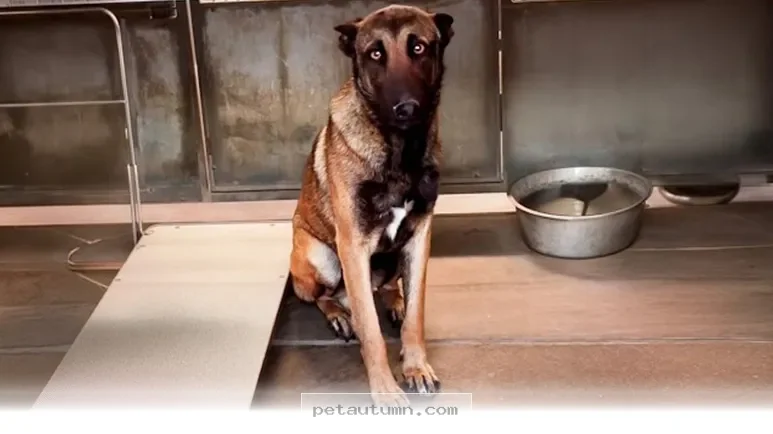
Walking into a shelter can be an emotional experience for any animal lover. Sometimes, you might come across a dog like Shamrock, who was placed on an euthanasia list simply because he was too terrified to interact with people.
Seeing a sweet soul labeled as hopeless is heartbreaking, but stories like his show that fear is not a permanent state. With patience and the right environment, even the most shut down dogs can learn to trust their humans again.
Key Takeaways
- Fearful shelter dogs often need time to decompress in a quiet environment.
- Consistency in your daily routine helps build a foundation of safety.
- Positive reinforcement creates a bond of trust between you and your pet.
- Small, slow steps are the secret to helping a rescue dog gain confidence.
Understanding the Fearful Rescue Dog
When a dog is labeled as "too scared" or "unadoptable," it is usually a reflection of their environment rather than their true personality. Loud noises, unfamiliar smells, and constant movement in a shelter can cause a dog to retreat into themselves.
If you choose to adopt a dog that has been through this, you are offering them a bridge to a better life. Understanding their background allows you to meet them where they are and provide the emotional support they crave.
Signs of Fear in Dogs
- Tucked tail and lowered body posture.
- Avoiding eye contact or looking away frequently.
- Pacing or panting in new situations.
- Refusing treats even when they are hungry.
- Attempting to hide in corners or under furniture.
How to Help Your New Pet Adjust
Helping a fearful dog requires a shift in your own expectations. You cannot rush the process, as true healing happens on their timeline, not yours.
- Create a safe sanctuary: Set up a quiet corner or a crate with a soft blanket where your dog can retreat when they feel overwhelmed.
- Keep a predictable routine: Dogs find comfort in knowing when they will be fed, walked, and allowed to rest.
- Use quiet body language: Avoid looming over your dog or making direct eye contact, as this can feel like a threat to a nervous animal.
- Offer space and patience: Let them approach you on their terms rather than forcing interaction through petting or handling.
- Utilize positive reinforcement: Reward calm behavior with gentle praise or small, high-value treats to build a positive association with your presence.
Comparison of Training Approaches
| Approach | Impact on Fearful Dogs |
|---|---|
| Positive Reinforcement | Builds confidence and strengthens the human-animal bond. |
| Forced Exposure | Can increase anxiety and trigger defensive reactions. |
| Punishment-Based Methods | Extremely damaging to a fearful dog’s mental health. |
Building Lasting Trust
Building trust is a marathon, not a sprint. You will recognize progress in the small, everyday moments, such as when your dog chooses to sleep in the same room as you or wags their tail when you walk through the door.
For more information on rescue behaviors, you can check out resources from the ASPCA. Each tiny victory is proof that your kindness is working wonders.
Essential Supplies for Your Rescue Dog
- A secure, properly fitted harness to prevent slipping.
- High-value treats like freeze-dried liver or small chicken pieces.
- An oversized crate or playpen to create a private den.
- Calming pheromone diffusers to help lower stress levels.
- A long-line leash for safe, supervised outdoor exploration.
Always remember that you are the most important resource in your dog’s life. By remaining calm and consistent, you are showing them that they are finally safe.
The information on petautumn.com is for general informational purposes only and does not constitute veterinary advice. Pet health needs vary by breed, age, and individual condition. Always consult a licensed veterinarian before making decisions about your pet’s health, diet, or medical treatment. Pet Autumn is not affiliated with any veterinary organization, pet food manufacturer, or breeder.
Watching a dog transform from a state of terror to one of joy is an incredibly rewarding experience. It takes a dedicated person to see the potential in a dog that others have written off.
Your patience will eventually pay off with a loyal companion who views you as their hero. Enjoy the journey of watching your new friend blossom into the happy pet they were always meant to be.

Dog care writer at petautumn.com. Visual Communication Design graduate (S.Ds) from Universitas Udayana. Covers dog breeds, behavior, training, and gear reviews. Dog dad to Meepo. Based in Austin, Texas.