Written by Kadek Darma
After a long afternoon playing under the bright sun, your dog likely returns home feeling thirsty and ready for a tasty reward. You might be surprised to learn that a simple, crunchy vegetable from your own kitchen can be the perfect refreshing snack to help them cool down.
Fresh cucumber slices are an excellent way to provide your pet with a hydrating treat during those hot summer months. Since these veggies are composed of about 95% water, they serve as a low-calorie snack that keeps your companion happy and hydrated.
Key Takeaways
- Cucumbers are 95% water, making them a fantastic hydrating snack for warm days.
- They provide essential nutrients like vitamin K, vitamin C, and beneficial antioxidants.
- Always wash your cucumbers thoroughly or choose organic to avoid pesticide residue.
- Slice the vegetable into small, bite-sized pieces to prevent any potential choking hazards.
- Treats like cucumber should always make up less than 10% of your pet’s daily calories.
Why Cucumbers Are Great for Your Pet
Cucumbers are technically fruits, belonging to the same family as melons and squash. Because of their high water content, they are incredibly helpful for pets that struggle to drink enough water on their own during humid weather.
Beyond hydration, these crunchy treats offer a variety of phytonutrients that support overall wellness. Many owners find that the texture also helps keep their dog interested during training sessions as a healthy, light alternative to processed treats.
Nutrient Profile of Cucumbers
Feeding your pet a small amount of cucumber provides more than just water. These veggies contain vitamins and minerals that contribute to a balanced lifestyle for your furry friend.
| Nutrient | Benefit for Pets |
|---|---|
| Vitamin C | Supports immune system health and collagen production |
| Vitamin K | Assists with blood coagulation and bone metabolism |
| Beta-carotene | A powerful antioxidant that supports eye health |
| Fiber | Aids in digestion and promotes a healthy gut microbiome |
1. Antioxidant Properties
Research suggests that the phytonutrients found in cucumbers, such as cucurbitacin, possess potential anti-inflammatory properties. These compounds may help protect your pet’s cells from oxidative stress.
2. Promoting Fresh Breath
You might notice your dog’s breath smells a bit fresher after a cucumber snack. The high water content helps wash away lingering food particles in the mouth, acting as a natural, temporary mouth rinse.
How to Serve Cucumbers Safely
While cucumbers are a healthy choice, preparation is the secret to a positive experience. Follow these simple steps to ensure your pet stays safe while enjoying their snack.
- Wash thoroughly: Always scrub the skin under running water to remove dirt or potential pesticides.
- Peel if necessary: If the cucumber is waxed or non-organic, peeling the skin can reduce the risk of chemical ingestion.
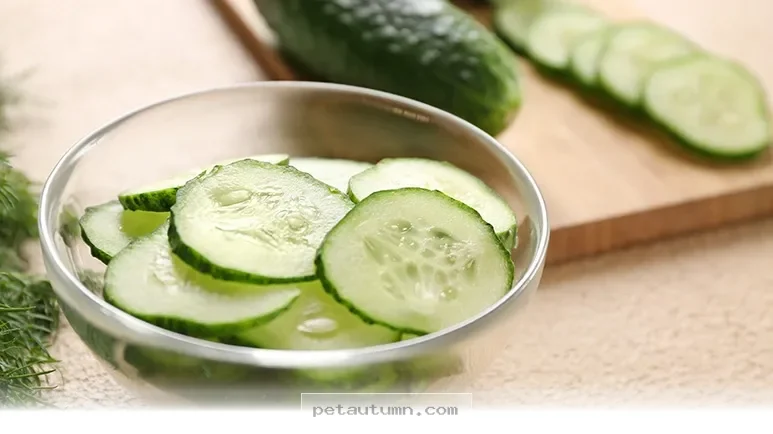
- Slice small: Cut the cucumber into bite-sized, thin slices to prevent your dog from gulping down large chunks.
- Monitor intake: Start with a few small pieces to see how your pet’s stomach reacts before offering more.
Feeding Tips and Precautions
When introducing any new food, consistency and moderation are key to avoiding digestive upset. Even healthy snacks can cause issues if your pet consumes too much at once.
- Moderation is vital: Keep treats limited to 10% of their total daily food intake to maintain nutritional balance.
- Watch for reactions: If your pet develops gas or loose stools, stop feeding the cucumber and consult your veterinarian.
- Check the size: Never give a whole cucumber to a dog that likes to swallow food without chewing.
- Consult your vet: If your pet has existing health conditions or is on a restricted diet, always ask your vet before adding new snacks.
Cucumber Comparison Table
| Feature | Cucumber | High-Calorie Biscuits |
|---|---|---|
| Water Content | Very High | Low |
| Caloric Density | Very Low | High |
| Crunch Factor | Refreshing | Dense |
| Health Benefit | Vitamins/Hydration | Minimal |
The information on petautumn.com is for general informational purposes only and does not constitute veterinary advice. Pet health needs vary by breed, age, and individual condition. Always consult a licensed veterinarian before making decisions about your pet’s health, diet, or medical treatment. Pet Autumn is not affiliated with any veterinary organization, pet food manufacturer, or breeder.
Incorporating fresh vegetables like cucumbers into your pet’s routine is a wonderful way to offer variety without relying on store-bought treats filled with fillers. Your dog will likely appreciate the satisfying crunch, and you can feel good knowing you are providing a hydration boost.
Remember to keep the portions small and watch your pet closely the first few times they try this snack. By keeping these simple guidelines in mind, you can help your best friend stay cool and happy all summer long.
For more information on safe snacks, you can browse resources from the AKC or the ASPCA. Happy snacking to you and your four-legged companion!

Cat care writer at petautumn.com. English Literature graduate (S.S) from Universitas Udayana. Covers cat breeds, behavior, nutrition, grooming, and health. Cat mom to Luna and Lina. Based in Austin, Texas.