Written by Kadek Darma
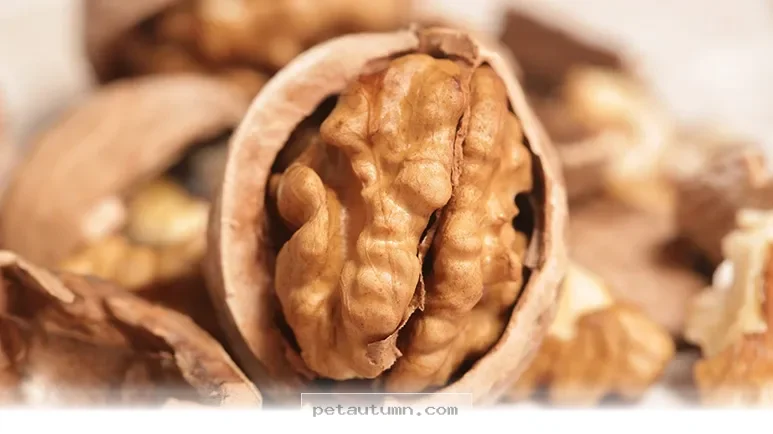
If you have ever looked at a walnut, you might have noticed it bears a striking resemblance to a tiny, wrinkled brain. While this shape is a fun coincidence, the secret benefits hidden inside these crunchy snacks are what really make them stand out for your canine companion.
Many pet parents avoid walnuts due to conflicting information found online, but they can actually be a healthy addition to your dog’s snack rotation. When you understand how to source, store, and serve them safely, these tree nuts provide a powerful boost of nutrients that support your dog’s long-term wellness.
Key Takeaways
- Always chop walnut halves into small pieces to prevent choking, especially for smaller dogs.
- Walnuts are an excellent source of omega-3 fatty acids, specifically alpha-linolenic acid (ALA).
- Store your walnuts in the refrigerator to keep them fresh and prevent dangerous mold growth.
- Avoid feeding your dog black walnuts, as the outer shells and bark contain compounds that can cause gastrointestinal upset.
- Prioritize purchasing organic, spray-free walnuts to ensure your pet is not consuming unnecessary pesticides.
Understanding the Nutritional Value of Walnuts
Walnuts are more than just a tasty, crunchy treat for your pup. They are packed with essential fatty acids and unique phytochemicals that provide systemic health benefits for dogs.
Research suggests that the high concentration of flavonoids in walnuts helps fight inflammation throughout the body. By incorporating these into your dog’s diet in moderation, you are providing them with a natural source of antioxidants that support cellular health.
The Role of Melatonin and Antioxidants
Beyond basic fats, walnuts contain melatonin, which plays a fascinating role in your pet’s physiology. Melatonin is well known for helping regulate sleep cycles, but it also serves as a potent antioxidant that helps scavenge free radicals.
This means that a small, well-timed treat could potentially aid in supporting your dog’s immune system. Because they are rich in vitamin E, they also contribute to maintaining healthy skin and a shiny coat during those dry winter months.
Safety Guidelines for Serving Walnuts
While the nutritional profile is impressive, your primary goal should always be the safe delivery of these snacks. Never leave a whole walnut out where your dog might find it, as the hard shell can be a choking hazard or cause an intestinal blockage.
| Feature | English Walnuts | Black Walnuts |
|---|---|---|
| Safety Status | Generally Safe (In moderation) | Caution Advised |
| Flavor Profile | Mild and Nutty | Strong and Earthy |
| Shell Hardness | Moderate | Very Hard |
| Toxicity Risk | Low (if fresh) | Higher (due to juglones) |
1. Proper Preparation
Always break or chop the walnut meat into small, manageable pieces before offering them to your dog. For a medium-sized dog, a single walnut half can be divided into four separate training treats.
2. Checking for Freshness
Never feed your dog walnuts that appear discolored, shriveled, or smell off. Moldy nuts can contain tremorgenic mycotoxins, which are dangerous and can cause severe neurological symptoms like tremors or seizures.
3. Smart Storage
Walnuts contain a high percentage of oil, which makes them go rancid quickly when left in a warm pantry. Always keep your supply in the refrigerator or freezer to maintain quality and prevent mold growth.
Choosing the Right Product
When you head to the store, reach for packages labeled as certified organic and fair trade. This ensures you are avoiding harmful pesticides that can accumulate on the shells and nut meats during mass production.
If you have a black walnut tree in your yard, you must keep a close watch on your dog. The outer husks, shells, and even the tree bark contain juglones, which are known to cause significant stomach upset, including vomiting and diarrhea.
The information on petautumn.com is for general informational purposes only and does not constitute veterinary advice. Pet health needs vary by breed, age, and individual condition. Always consult a licensed veterinarian before making decisions about your pet’s health, diet, or medical treatment. Pet Autumn is not affiliated with any veterinary organization, pet food manufacturer, or breeder.
Integrating walnuts into your pet’s diet requires a mindful approach to portion control and quality control. By focusing on small, fresh portions, you can safely offer these nutrient-dense treats as a reward during training or as a crunchy topping for their regular meals.
As you explore new ways to diversify your dog’s nutrition, remember that balance remains the most important factor. If you ever have questions about how a specific food might affect your individual dog, your local veterinarian is always the best resource to guide your choices.

Cat care writer at petautumn.com. English Literature graduate (S.S) from Universitas Udayana. Covers cat breeds, behavior, nutrition, grooming, and health. Cat mom to Luna and Lina. Based in Austin, Texas.