Written by Kadek Darma
It is easy to assume that reptiles are stoic, simple creatures that do not require much emotional connection. However, every once in a while, a story emerges that completely shatters that misconception and reminds us of the resilience found in even the smallest lives.
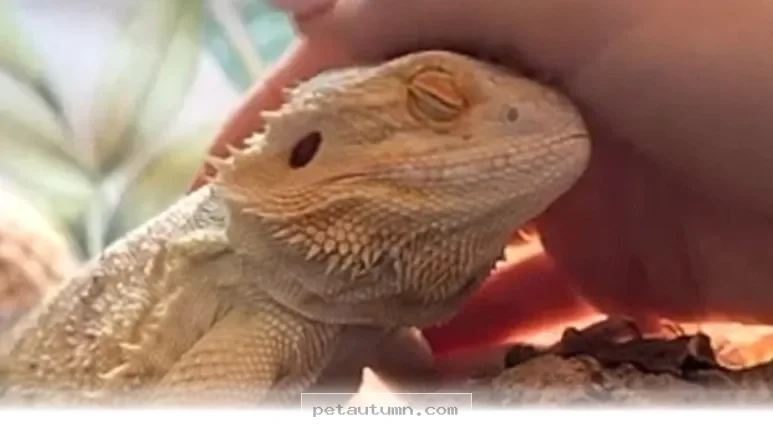
When a severely neglected reptile was discovered near death, the odds were stacked heavily against her. She was unable to move, clearly suffering from a lack of proper care, yet she possessed a quiet, stubborn spirit that refused to give up on the world.
Key Takeaways
- Reptiles are highly sensitive to their environment and can suffer deeply from improper husbandry.
- Recovery from severe neglect requires a slow, patient, and methodical approach to rehabilitation.
- Trust is earned, not given, especially when an animal has experienced significant trauma.
- Monitoring behavior is the most effective way to track progress during the healing process.
Understanding the Signs of Reptile Neglect
Seeing a pet in distress is heartbreaking, but recognizing the early signs of poor health can save their life. Many owners overlook subtle behavioral shifts, assuming their pet is just resting, when in reality, the animal is struggling to survive.
If you suspect your reptile is not thriving, look for these specific red flags that indicate it is time to consult a professional:
- Lethargy and an unusual lack of interest in movement.
- Visible weight loss or sunken eyes, which often point to dehydration.
- Discoloration of the skin or persistent patches of shed.
- Refusal to eat or significant changes in appetite over several days.
- Abnormal posture or difficulty maintaining balance while walking.
The Reality of Rehabilitation
Rehabilitating a neglected reptile is a long road that demands patience, specialized equipment, and a deep understanding of reptile care basics. You cannot simply rush the healing process, as these animals need a stable, stress-free environment to regain their physical strength.
| Stage of Recovery | Focus Area |
|---|---|
| Stabilization | Hydration and proper thermal gradient. |
| Nutritional Support | Gradual introduction of species-appropriate diet. |
| Physical Therapy | Encouraging movement through enrichment. |
| Ongoing Monitoring | Watching for setbacks in behavior or health. |
1. Creating a Supportive Environment
The most important step you can take is refining the habitat to meet the specific requirements of the species. This means checking your UVB lighting, humidity levels, and temperature zones to ensure they are within the recommended range. A stable environment reduces cortisol levels, allowing the animal to focus its energy on physical healing rather than stress management.
2. Building Trust Through Patience
Once the physical health begins to stabilize, you must focus on the mental recovery of your companion. Avoid handling the reptile too early, as this can cause immense anxiety for an animal that has already been through a traumatic experience. Instead, spend time sitting quietly near the enclosure so they become accustomed to your presence without feeling threatened.
3. Monitoring Daily Progress
Keep a journal to record every small victory, such as the first time they move to the warm side of the tank on their own. Consistency is key when it comes to observing trends in behavior. If you notice a sudden regression, do not panic, but reach out to a professional who understands exotic animal medicine.
Essential Supplies for Recovery
When you are nursing a reptile back to health, having the right tools on hand makes a significant difference in the quality of care you provide.
- Digital thermometers and hygrometers for precise climate control.
- High-quality UVB bulbs, which are essential for bone health and metabolism.
- Nutritious, high-grade food sources that are easy to digest.
- Supplements as advised by your veterinary team to address specific deficiencies.
- A clean, quiet isolation enclosure for minimizing stress during the initial recovery phase.
You can learn more about the complexities of these requirements by visiting PetMD to ensure your husbandry practices align with modern standards. Providing the right environment is the first step toward helping them feel safe enough to trust you again.
The information on petautumn.com is for general informational purposes only and does not constitute veterinary advice. Pet health needs vary by breed, age, and individual condition. Always consult a licensed veterinarian before making decisions about your pet’s health, diet, or medical treatment. Pet Autumn is not affiliated with any veterinary organization, pet food manufacturer, or breeder.
Watching this tiny warrior transform from a state of near-total depletion to a thriving, active companion is a humbling experience. It serves as a reminder that no matter how small the life, the will to survive is a powerful force that we should always strive to support.
Your dedication to providing a second chance at life changes everything for these animals. While the journey is rarely easy, seeing them eventually take that first confident step is a reward that makes every moment of effort worth it.
Cat care writer at petautumn.com. English Literature graduate (S.S) from Universitas Udayana. Covers cat breeds, behavior, nutrition, grooming, and health. Cat mom to Luna and Lina. Based in Austin, Texas.