Written by Ayu Pratiwi
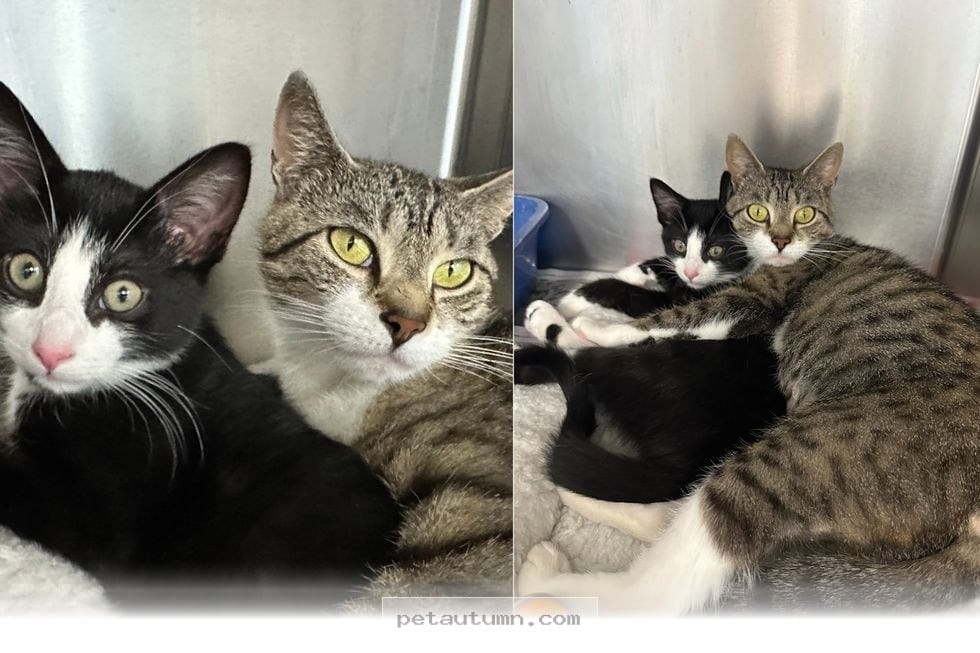
Walking into an animal shelter can be an overwhelming experience for any feline. Recently, a timid tabby mom and her tiny tuxedo kitten arrived at a rescue facility, clearly frightened by their new surroundings.
They huddled together in the corner of their enclosure, refusing to leave each other’s side for even a moment. It was immediately obvious to the staff that this duo was a package deal that simply could not be separated.
Key Takeaways
- Bonded pairs often provide comfort and emotional support to one another during transitions.
- Adopting a mother and kitten together makes the socialization process much easier for the younger cat.
- Tuxedo kittens are known for their high intelligence and playful, curious personalities.
- Tabby cats frequently exhibit strong maternal instincts and nurturing behaviors toward their offspring.
- Providing a safe, quiet space is essential when bringing home a rescued pair of cats.
Why Adopting Bonded Pairs is Rewarding
When you choose to adopt a mother cat alongside her kitten, you are witnessing a beautiful, pre-existing social structure. These cats already share a common language, which helps them feel secure while navigating a new home environment.
Adopting them together also means you never have to worry about them feeling lonely while you are at work. They have a built-in playmate to help them burn off energy and groom each other after a long day.
Transitioning through the next section, we should look at how to prepare your living space for two new feline companions.
1. Preparing Your Home for New Arrivals
Before bringing your new friends home, you need to create a sanctuary space. This area should be quiet, warm, and stocked with the essential items they need to feel safe.
Start by setting up a room where they can hide if they feel nervous. Place their food, water, and litter boxes in easily accessible corners to reduce their anxiety during the first week.
Essential Supply List
- Two separate litter boxes to prevent territorial disputes.
- High-quality wet and dry food suitable for both nursing moms and growing kittens.
- Soft, washable blankets to create cozy sleeping spots.
- Interactive toys like feather wands to encourage bonding with you.
- Vertical scratching posts to help them stretch and mark their territory safely.
2. Managing the Socialization Process
Patience is your best friend when you bring home a mother and her kitten. They might be shy at first, but giving them space will allow their natural personalities to bloom over time.
Sit on the floor near them and read a book aloud. This helps them get used to your voice without feeling pressured to interact before they are ready.
Tips for Building Trust
- Avoid making loud noises or sudden movements near their sanctuary room.
- Use treats to encourage them to approach you on their own terms.
- Respect their boundaries if they choose to stay under a bed or chair.
- Maintain a consistent daily schedule for feeding and playtime.
- Offer gentle affection only when they show clear signs of wanting attention.
Understanding Adoption Dynamics
Many potential owners wonder about the differences between adopting a single cat versus a pair. The following table helps illustrate why keeping a mother and kitten together is often the better choice for their long-term well-being.
| Factor | Single Cat | Bonded Pair |
|---|---|---|
| Social Interaction | Depends solely on humans | Mutual companionship |
| Adjustment Time | Variable | Usually faster |
| Energy Output | Requires active play | Play with each other |
| Cost Considerations | Lower daily expenses | Higher food and vet costs |
For more information on the benefits of animal adoption, you can check out resources from the ASPCA. Understanding their needs is the first step toward a successful lifetime bond.
3. Maintaining Long-Term Feline Health
Keeping both cats healthy requires regular monitoring and consistent care. A mother cat may have different nutritional requirements than her growing kitten, so ask your vet about specialized diets.
Ensure both cats are up to date on their wellness exams. You can learn more about general feline health guidelines at the Cornell Feline Health Center.
Common Signs of Stress
- Excessive hiding or refusal to eat for more than 24 hours.
- Changes in litter box habits or vocalization patterns.
- Hissing or swatting when approached by humans.
- Over-grooming certain areas of their bodies.
- Lethargy or sudden lack of interest in play.
The information on petautumn.com is for general informational purposes only and does not constitute veterinary advice. Pet health needs vary by breed, age, and individual condition. Always consult a licensed veterinarian before making decisions about your pet’s health, diet, or medical treatment. Pet Autumn is not affiliated with any veterinary organization, pet food manufacturer, or breeder.
Opening your heart to a mother and her kitten is an act of pure kindness. They offer a unique window into the protective nature of feline bonds that is truly heartwarming to witness.
As they settle into your home, you will find that their gratitude manifests in soft purrs and shared naps. Enjoy the journey of watching them grow together in the safety of your home.

Cat care writer at petautumn.com. English Literature graduate (S.S) from Universitas Udayana. Covers cat breeds, behavior, nutrition, grooming, and health. Cat mom to Luna and Lina. Based in Austin, Texas.