Written by Kadek Darma
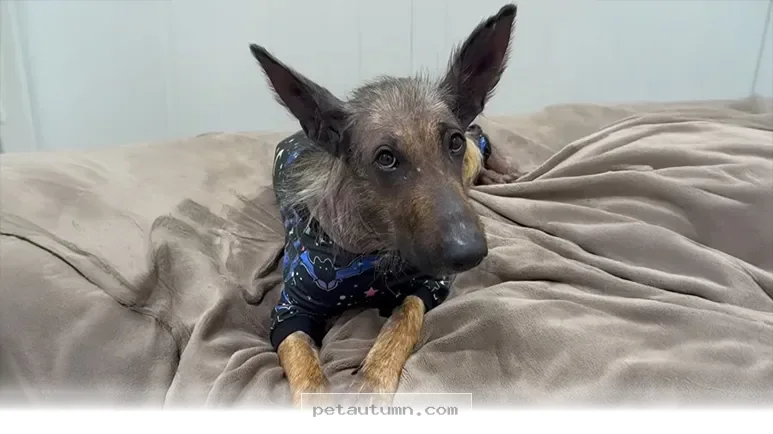
Walking into a shelter and seeing a dog like Fruit Bat can tug at your heartstrings immediately. She arrived terrified, underweight, and suffering from significant hair loss, but her story serves as a beautiful reminder of what patience can achieve.
Watching a dog transition from a state of total fear to one of joy is a privilege. Through consistent care and a gentle touch, you can help even the most broken spirit rediscover their spark.
Key Takeaways
- Patience is your most valuable tool when rehabilitating a rescue dog.
- Physical healing often requires a combination of nutrition, medical care, and comfort.
- Building trust takes time and should never be rushed or forced.
- Small, consistent victories in behavior are signs of significant progress.
The Path to Physical Recovery
When you bring home a dog suffering from neglect, your first priority is stabilizing their physical health. Skin issues are common in rescues, often stemming from poor nutrition, parasites, or stress-induced behaviors.
- Prioritize a Vet Visit: Always start with a professional assessment to rule out underlying infections or systemic issues.
- Focus on High-Quality Nutrition: Feeding a balanced, vet-approved diet helps rebuild muscle mass and supports skin health.
- Establish a Routine: Dogs feel safer when they know what to expect during their daily schedule.
- Create a Sanctuary: Provide a quiet corner where your dog can retreat when they feel overwhelmed.
Transitioning a rescue to a new environment requires you to be observant and patient.
Common Signs of Physical Distress
If you have recently rescued a dog, keep an eye out for these common indicators that they need extra support:
- Patchy or total hair loss
- Visible ribs or lack of muscle tone
- Shyness or tendency to hide
- Sensitivity to touch or loud noises
- Excessive itching or scratching
Understanding the Emotional Journey
Healing isn’t just about the physical; it is deeply emotional. Dogs like Fruit Bat have often lived through traumatic experiences that make them skeptical of human touch.
| Stage of Trust | Focus Area | Expected Outcome |
|---|---|---|
| Observation | Safe distance | Reduced anxiety |
| Engagement | Gentle play | Increased curiosity |
| Connection | Positive reinforcement | Deepened bond |
- Note: Always provide a safe space for your pet to retreat.
| Care Approach | Why it Matters |
|---|---|
| Positive Reinforcement | Builds confidence without causing fear. |
| Desensitization | Helps manage triggers in a controlled way. |
| Forcing Interaction | Can lead to regression or increased anxiety. |
| Ignoring Body Language | Prevents you from identifying stress markers. |
How to Build Lasting Trust
Building a relationship with a traumatized dog requires you to step back and let them dictate the pace. Do not try to force affection before they are ready to offer it themselves.
- Lower Your Body Language: Sit on the floor to appear less threatening and more approachable.
- Use Soft Tones: Speak in a low, calm, and rhythmic voice to soothe their nerves.
- Use Treats Wisely: Offer high-value rewards for calm behaviors to create positive associations with your presence.
- Respect Their Boundaries: If they move away, let them have their space without chasing them.
This process is a marathon, not a sprint. You are teaching your companion that the world is no longer a place they need to fear.
Essential Supplies for Your Rescue Dog
To help your new friend settle in, having the right gear makes a huge difference:
- A sturdy, comfortable crate for a den-like feel
- High-protein, high-quality dog food
- Soft, washable bedding
- Calming pheromone diffusers for the home
- Training treats for building positive associations
You can learn more about general health and safety standards by visiting the ASPCA or reviewing guidelines from the American Veterinary Medical Association. Additional tips for canine care can be found at the AKC.
The information on petautumn.com is for general informational purposes only and does not constitute veterinary advice. Pet health needs vary by breed, age, and individual condition. Always consult a licensed veterinarian before making decisions about your pet’s health, diet, or medical treatment. Pet Autumn is not affiliated with any veterinary organization, pet food manufacturer, or breeder.
Seeing the transformation from a scared, hairless dog into a vibrant, happy companion is the most rewarding experience a pet owner can have. Your love provides the foundation for their recovery, turning a difficult past into a bright and healthy future.
Keep showing up for your dog every single day. Even on the hard days, remember that you are their entire world, and your patience is the key that unlocks their true potential.

Cat care writer at petautumn.com. English Literature graduate (S.S) from Universitas Udayana. Covers cat breeds, behavior, nutrition, grooming, and health. Cat mom to Luna and Lina. Based in Austin, Texas.