Written by Ayu Pratiwi
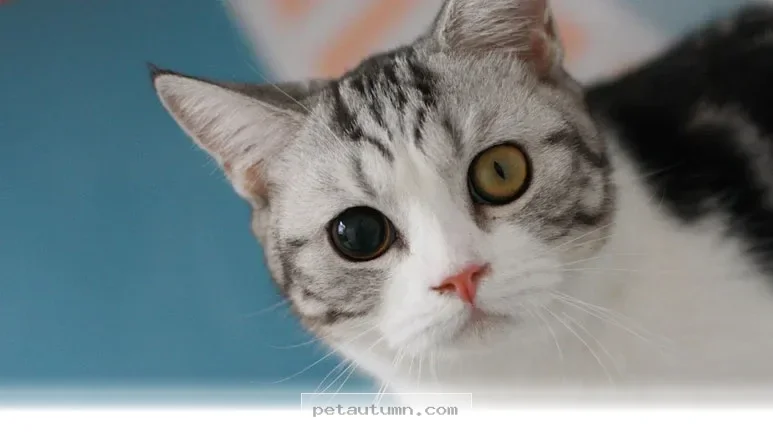
You glance over at your cat sleeping on the sunny windowsill, and something suddenly looks off. One pupil appears significantly wider than the other, creating an uneven look that catches your eye immediately.
It is easy to assume it is just a trick of the light or that your cat will look perfectly normal in a few minutes. While sometimes that is exactly what happens, pupils that stay different sizes are one of the most important clues your cat’s body will ever give you.
Key Takeaways
- Anisocoria is the medical term for unequal pupil sizes, indicating that something is disrupting the nerves or muscles controlling the eye.
- This condition is a clinical sign, not a standalone disease, and it can stem from anything from minor irritation to life-threatening emergencies.
- Never ignore a sudden change in pupil size, as some underlying conditions can lead to permanent vision loss in just a few hours.
- Red flags like head tilting, loss of balance, or a cloudy eye require immediate emergency veterinary intervention.
- Even if your cat seems to be acting like their normal self, a professional eye exam is necessary to rule out serious internal issues.
Understanding Anisocoria in Cats
In a healthy cat, both pupils dilate equally in dim light and constrict in unison when the environment brightens. When one pupil remains larger or smaller than its counterpart, the condition is known as anisocoria.
This mismatch happens because something is interfering with the intricate muscles or delicate nerves that control the iris. The root of the problem might reside within the eye itself, or it could be a signal of a deeper issue involving the nerves connecting the eye to the brain.
Why Speed Matters for Your Cat
Some causes of anisocoria are mild and eventually resolve on their own, and a small number of cats are simply born with pupils that never quite match. However, you should never gamble with your pet’s eyesight by waiting to see if the condition improves.
Many triggers for this change are serious and require rapid medical intervention to save your cat’s vision. Glaucoma, retinal detachment, and severe neurological emergencies often provide only a tiny window for successful treatment before permanent damage sets in.
1. Recognizing Urgent Red Flags
If you notice the pupil change accompanied by any of the following symptoms, please contact your emergency veterinary clinic immediately. These combinations suggest a situation that cannot wait for a standard appointment:
- Loss of balance, circling behavior, or unexplained head tilt
- Visible seizures or signs of extreme disorientation
- Recent history of head trauma or a significant fall
- A cloudy, red, or noticeably swollen appearance in the affected eye
- Sudden clumsiness or bumping into furniture that suggests vision loss
- Extreme lethargy, hiding, or refusal to eat
2. Common Causes of Unequal Pupils
When you arrive at the clinic, your veterinarian will look for several common culprits that cause the pupils to respond differently. The following table provides a breakdown of common conditions associated with anisocoria.
| Condition | Typical Appearance | Urgency Level |
|---|---|---|
| Horner’s Syndrome | Small pupil, droopy lid | Moderate |
| Uveitis | Constricted pupil, redness | High |
| Glaucoma | Dilated pupil, cloudy eye | Critical |
| Corneal Ulcer | Squinting, tearing | High |
Taking the Right Steps
The process of diagnosing the cause usually begins with a thorough physical and ophthalmic examination by your veterinarian. They may use specialized tools to check the pressure inside the eye and examine the internal structures of the retina.
If the eye itself appears healthy, the focus may shift to the nervous system. You can learn more about how cats experience vision and eye health by reviewing resources from the Cornell Feline Health Center.
1. Preparing for Your Vet Visit
To help your veterinarian make an accurate assessment, try to gather as much information as possible before you leave the house. Write down when you first noticed the change and whether you have seen any other subtle shifts in your cat’s behavior.
- Keep your cat in a quiet, dimly lit room to prevent further stress.
- Take a clear, well-lit photo of the eyes if your cat will allow it.
- Do not apply any over-the-counter eye drops or human medications.
- Ensure you have a secure carrier ready for safe transport to the clinic.
2. Understanding Potential Treatments
Treatment depends entirely on the underlying diagnosis identified by the professional. For instance, if the cause is an infection, your vet might prescribe specific topical medications to reduce inflammation or fight the pathogen.
If the anisocoria is linked to systemic blood pressure issues or neurological conditions, the management plan will be much more comprehensive. Early detection is almost always the factor that makes the difference between a full recovery and long-term complications for your furry friend.
The information on petautumn.com is for general informational purposes only and does not constitute veterinary advice. Pet health needs vary by breed, age, and individual condition. Always consult a licensed veterinarian before making decisions about your pet’s health, diet, or medical treatment. Pet Autumn is not affiliated with any veterinary organization, pet food manufacturer, or breeder.
Your quick action and observation play a vital role in your cat’s long-term health and comfort. By paying attention to these small details, you are providing the best possible care for your companion.
Even if you feel like you are overreacting, a quick phone call to your clinic provides peace of mind. Protecting your cat’s vision is always worth the extra effort.
Cat care writer at petautumn.com. English Literature graduate (S.S) from Universitas Udayana. Covers cat breeds, behavior, nutrition, grooming, and health. Cat mom to Luna and Lina. Based in Austin, Texas.