Written by Kadek Darma
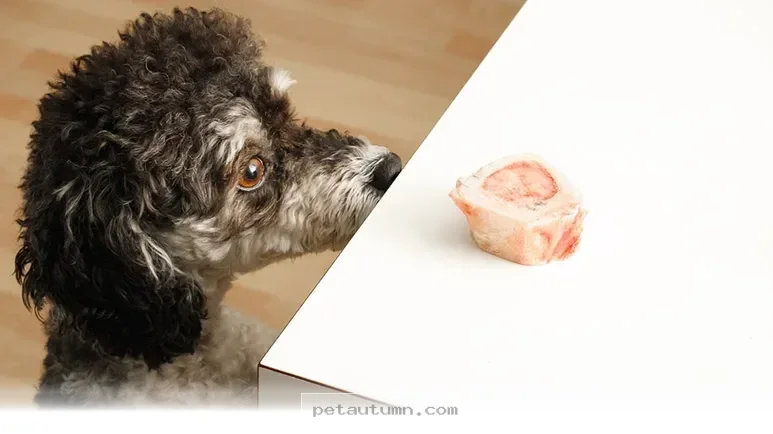
We have all seen the look on a dog’s face when they spot a platter of unattended holiday turkey or a bowl of buttery snacks on the coffee table. While watching your pup sneak a treat might seem like a harmless moment, certain high-fat foods can trigger a life-threatening inflammatory condition called acute pancreatitis.
This condition occurs when the pancreas becomes inflamed, preventing it from producing necessary digestive enzymes and insulin properly. Because the pancreas is so vital for nutrient absorption, even a minor case requires your full attention to ensure your furry friend stays safe and healthy.
Key Takeaways
- Pancreatitis is often triggered by the consumption of high-fat foods, such as bacon grease, fatty meat trimmings, or rich table scraps.
- Certain breeds, including Miniature Schnauzers and Cocker Spaniels, show a higher genetic predisposition to developing this painful condition.
- Common warning signs include persistent vomiting, lethargy, abdominal pain, and a sudden loss of appetite.
- Immediate veterinary assessment is crucial, as the condition can range from mild discomfort to systemic organ failure.
Understanding the Risks of Fatty Foods
When your dog consumes a large amount of fat, it can force the pancreas to work overtime, which may lead to the organ beginning to digest itself. This process is incredibly painful for your dog and can cause severe damage that spreads to other organs if not managed quickly by a professional.
If you suspect your dog has eaten something fatty, monitor their behavior closely for the next 24 to 48 hours. Watching for subtle changes in their activity levels or appetite can help you catch potential issues before they escalate into an emergency situation.
Common Symptoms to Recognize
If your dog is suffering from pancreatic inflammation, they will often exhibit specific physical signs that indicate they are in distress. Keep a close watch for these common indicators:
- Loss of appetite
- Frequent vomiting or dry heaving
- Obvious abdominal pain or guarding the belly
- Extreme lethargy or weakness
- Dehydration symptoms like dry gums
- Diarrhea or changes in stool consistency
Breed Predisposition and Contributing Factors
While any dog can develop pancreatitis after a dietary indiscretion, some breeds are statistically more likely to struggle with this condition than others. Understanding your dog’s genetic background can help you stay extra vigilant regarding their diet and treats.
| Risk Level | Contributing Factors |
|---|---|
| High Risk Breeds | Miniature Schnauzers, Cocker Spaniels, Cavalier King Charles Spaniels, and Yorkshire Terriers. |
| Caution | Obesity, diabetes, and hypothyroidism can increase the likelihood of an episode. |
| Warning | Dogs with pre-existing gastrointestinal disease are significantly more susceptible to attacks. |
Steps for Prevention and Safety
- Keep all trash cans securely lidded so your dog cannot scavenge for discarded food scraps.
- Communicate with house guests and family members to ensure they do not feed your dog fatty table scraps.
- Schedule regular checkups with your veterinarian to monitor underlying health conditions like diabetes or thyroid issues.
- Provide a consistent, high-quality diet that is appropriate for your dog’s specific age and activity level.
- Store all medications and supplements safely out of reach, as some drugs can inadvertently trigger inflammation.
Managing Your Dog’s Health
If your veterinarian confirms a diagnosis of pancreatitis, they will create a supportive care plan designed to alleviate your dog’s discomfort. Since there is no single cure, treatment is usually focused on managing pain, addressing dehydration through fluids, and allowing the pancreas to rest by regulating nutrition.
You should always follow your veterinarian’s instructions regarding dietary transitions during the recovery period. Providing a bland, low-fat diet as recommended by your care team can help support your dog as they heal and prevent future flare-ups.
The information on petautumn.com is for general informational purposes only and does not constitute veterinary advice. Pet health needs vary by breed, age, and individual condition. Always consult a licensed veterinarian before making decisions about your pet’s health, diet, or medical treatment. Pet Autumn is not affiliated with any veterinary organization, pet food manufacturer, or breeder.
Preventing pancreatitis often comes down to strict management of what your dog consumes daily. By keeping fatty human foods far away from your pet’s reach, you are taking a major step in protecting their long-term wellness.
If you ever notice your dog acting unusually after a holiday meal or a scavenged snack, do not wait for symptoms to worsen. Reach out to your local American Veterinary Medical Association member or your trusted family veterinarian to get the professional guidance your pet needs.

Cat care writer at petautumn.com. English Literature graduate (S.S) from Universitas Udayana. Covers cat breeds, behavior, nutrition, grooming, and health. Cat mom to Luna and Lina. Based in Austin, Texas.