Written by Kadek Darma
If you share your home with a curious pup, you probably know that their nose leads the way to all sorts of interesting discoveries. Unfortunately, some of the most enticing items hiding under the couch or tucked inside a pocket can turn into a serious medical emergency in the blink of an eye.
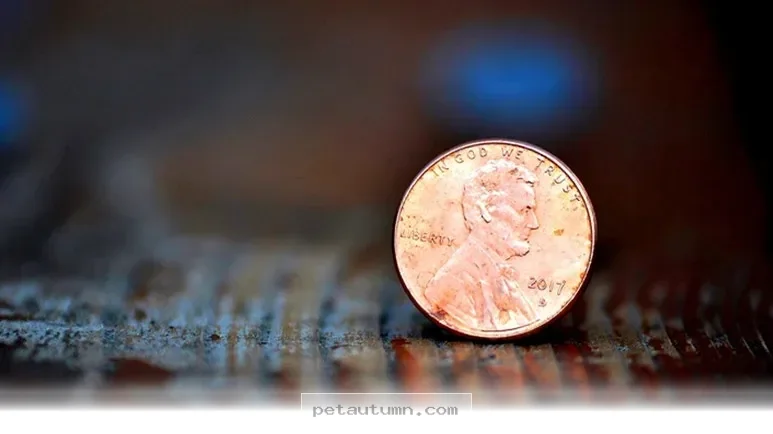
A shiny, discarded penny might look like a harmless trinket, but for a dog, it is a ticking time bomb. While we often worry about physical blockages, the real danger is a silent, chemical threat that can wreak havoc on your pet’s internal organs.
Key Takeaways
- Zinc Toxicity: Pennies minted after 1982 contain high concentrations of zinc, which is highly toxic to pets.
- Rapid Corrosion: Stomach acid breaks down the coin, allowing zinc to leach directly into the bloodstream.
- Severe Complications: Ingestion can lead to organ failure, anemia, and even fatal outcomes if left untreated.
- Watch for Symptoms: Be alert for vomiting, lethargy, or pale gums, even if you did not witness your dog eating a coin.
- Prevention: Keep all loose change, vitamins, and metal objects securely stored away from curious paws.
The Hidden Dangers of Modern Currency
You might be surprised to learn that not all coins are created equal when it comes to pet safety. While older coins were largely copper, the composition of the penny changed dramatically over four decades ago.
Since 1982, pennies have been manufactured using a core that is nearly 98 percent zinc. That thin copper coating on the outside is just a mask for the metallic material underneath that acts like poison once it enters a pet’s digestive system.
Understanding the Risk to Your Dog
When your dog swallows a post-1982 penny, the process of destruction begins almost immediately. Your dog’s natural stomach acid begins to corrode the metal, which releases dangerous levels of zinc into their system at a rapid pace.
This overload of zinc does more than just upset a stomach; it attacks the red blood cells and puts immense pressure on vital organs. If you suspect your dog has ingested a coin, time is of the essence.
Signs of Zinc Poisoning
- Sudden lethargy or extreme weakness
- Pale or yellowish gums
- Persistent vomiting or loss of appetite
- Discolored urine, often appearing brown or pink
- Rapid breathing or an elevated heart rate
- Collapse or inability to stand
How to Protect Your Pet
Prevention is the most effective tool in your kit as a responsible pet owner. Since dogs explore the world through their mouths, you have to be one step ahead of their curiosity.
- Secure Your Change: Keep all loose change in a jar or a high drawer that your dog cannot access.
- Check Your Pockets: Never leave pants or jackets on the floor where a coin could fall out.
- Monitor Play Areas: Regularly vacuum or sweep under furniture where small objects tend to collect.
- Educate Guests: Ask visitors to keep their purses and bags zipped shut and off the floor.
- Watch During Walks: Keep an eye on your dog’s behavior outdoors to ensure they aren’t scavenging for dropped items.
Comparing Common Household Hazards
Many items in your home contain metals or minerals that could be problematic. Understanding which items carry the highest risk can help you organize your storage more effectively.
| Item | Risk Level | Primary Hazard |
|---|---|---|
| Post-1982 Pennies | Extreme | Zinc Toxicity |
| Galvanized Bolts | High | Zinc/Mechanical Blockage |
| Batteries | Critical | Corrosive Acid/Alkali Burn |
| Hard Plastic Toys | Moderate | Intestinal Blockage |
By maintaining a tidy environment, you drastically reduce the chance of your dog finding these dangerous "treasures."
Other Common Sources of Zinc
It is not just pennies that pose a risk of zinc toxicity. Many common household items contain enough zinc to cause severe illness if ingested by your dog.
- Human Supplements: Many multivitamins contain high levels of zinc that can be lethal to smaller dogs.
- Cold Remedies: Certain lozenges and nasal sprays contain concentrated zinc compounds.
- Topical Ointments: Diaper rash creams and sunscreens often list zinc oxide as a primary ingredient.
- Hardware: Nuts, bolts, and certain fasteners used in pet crates or furniture may be galvanized.
- Personal Care: Acne medications and some medicated shampoos can be dangerous if a dog licks them off your skin or their own fur.
Always keep these products stored in cabinets that are completely inaccessible to your pet. You can learn more about identifying common toxins at the ASPCA Poison Control website.
The information on petautumn.com is for general informational purposes only and does not constitute veterinary advice. Pet health needs vary by breed, age, and individual condition. Always consult a licensed veterinarian before making decisions about your pet’s health, diet, or medical treatment. Pet Autumn is not affiliated with any veterinary organization, pet food manufacturer, or breeder.
If you ever suspect your dog has swallowed something they shouldn’t have, do not wait for symptoms to appear. Contact your veterinarian or an emergency animal hospital immediately for guidance.
Prompt intervention is the best way to ensure a positive outcome if an accident occurs. Keep your home safe and your dog happy by staying vigilant about these small, shiny hazards.

Cat care writer at petautumn.com. English Literature graduate (S.S) from Universitas Udayana. Covers cat breeds, behavior, nutrition, grooming, and health. Cat mom to Luna and Lina. Based in Austin, Texas.