Written by Ayu Pratiwi
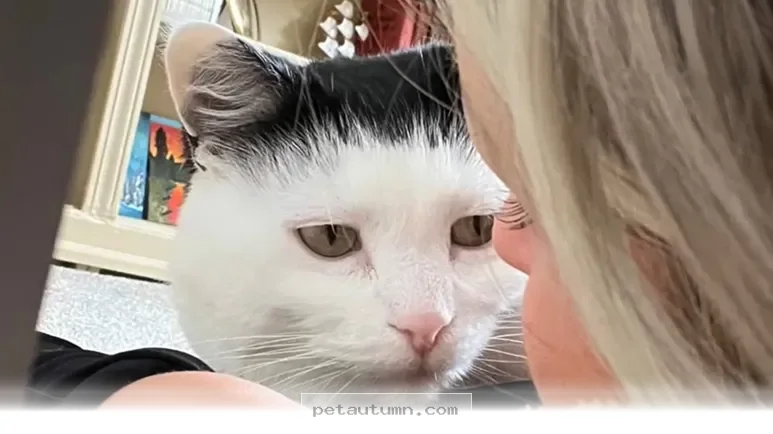
Imagine being left out in the cold with no shelter, no warmth, and no one to turn to for help. For a sweet senior cat named Poppy, this was not just a nightmare but her daily reality as winter temperatures plummeted.
Many people passed by her shivering frame, failing to see the gentle soul hiding beneath the matted fur and frostbitten paws. It takes a special kind of person to look past the surface of a neglected animal and recognize the lifetime of love they still have to offer.
Key Takeaways
- Senior cats often have the most difficulty finding homes in shelters.
- Early intervention is vital for animals found in extreme weather conditions.
- Providing a warm, quiet space helps senior pets decompress and rebuild trust.
- Patience and routine are the foundations of rehabilitating a forgotten pet.
- Every senior animal deserves a soft place to land and a family to call their own.
The Reality of Senior Cat Rescue
When you encounter a senior cat in distress, the immediate needs are often overwhelming and complex. These cats have likely spent years fending for themselves, making them understandably cautious or even fearful of human interaction.
Caring for an elderly feline requires a shift in perspective compared to raising a kitten. You must focus on comfort, accessible resources, and gentle socialization to help them transition into your home.
1. Assessing the Situation
If you find a cat struggling in the cold, your first priority is ensuring their safety without putting yourself in harm’s way. Observe their behavior from a distance and check for visible signs of distress.
- Lethargy: The cat is barely moving or struggling to keep their head up.
- Frostbite: Look for pale, gray, or blackened skin on the ears, tail, or paws.
- Shivering: Intense, uncontrollable shaking is a sign that their body temperature is dropping.
- Vocalizing: Persistent, distressed meowing can indicate they are looking for help or are in pain.
2. Immediate Care Steps
Once you have safely secured the animal, getting them to a professional is your most important step. Cold exposure can lead to hypothermia, which is a medical emergency requiring rapid intervention.
- Gently wrap the cat in a warm, dry towel to stabilize their body heat.
- Transport them immediately to an emergency veterinary clinic for a full examination.
- Avoid feeding them until a professional has cleared them, as their digestive system may be sluggish.
- Create a "safe room" in your home where they can rest undisturbed by other pets.
Comparing Shelter Life vs. Foster Care
Deciding how to help a senior cat often comes down to understanding the environment they thrive in. The table below highlights why foster care is often superior for older animals.
| Feature | Shelter Environment | Foster Home |
|---|---|---|
| Stress Levels | High due to noise | Low and stable |
| Medical Care | Standardized | Personalized |
| Socialization | Limited time | Constant interaction |
| Risk of Illness | High exposure | Minimal exposure |
Transitioning a senior cat from a chaotic environment to a quiet home is often the most significant factor in their physical and emotional recovery.
Creating a Forever Sanctuary
When Poppy finally arrived at her new home, she was not the same cat she is today. It took weeks of quiet patience, soft voices, and the steady presence of a loving owner to show her that she was finally safe.
You might find that your senior rescue spends the first few days hiding under a bed or behind a chair. Allow them this time to process their new surroundings and realize that they no longer need to be on guard.
Essential Supplies for Your Senior Guest
- Orthopedic Bedding: Joint pain is common in seniors, so soft support is a must.
- Low-Sided Litter Boxes: These make it easier for cats with arthritis to enter and exit.
- High-Quality Nutrition: Consult with your vet about specialized senior formulas.
- Interactive Toys: Even older cats enjoy gentle engagement, like feather wands or puzzles.
- Nightlights: Older pets often suffer from declining vision and benefit from better lighting.
Learn more about feline care standards by visiting the ASPCA for detailed guides on senior pet health. You can also research common behavioral changes in aging cats through the Cornell Feline Health Center.
The information on petautumn.com is for general informational purposes only and does not constitute veterinary advice. Pet health needs vary by breed, age, and individual condition. Always consult a licensed veterinarian before making decisions about your pet’s health, diet, or medical treatment. Pet Autumn is not affiliated with any veterinary organization, pet food manufacturer, or breeder.
Watching a forgotten soul like Poppy blossom into a happy, confident companion is one of the most rewarding experiences a person can have. It reminds us that no matter how long a life they have lived, every single day spent in a loving home is a victory.
If you are considering opening your heart to a senior pet, reach out to your local shelters today. You may just find that the cat you intended to save ends up saving you right back.

Dog care writer at petautumn.com. Visual Communication Design graduate (S.Ds) from Universitas Udayana. Covers dog breeds, behavior, training, and gear reviews. Dog dad to Meepo. Based in Austin, Texas.