Written by Kadek Darma
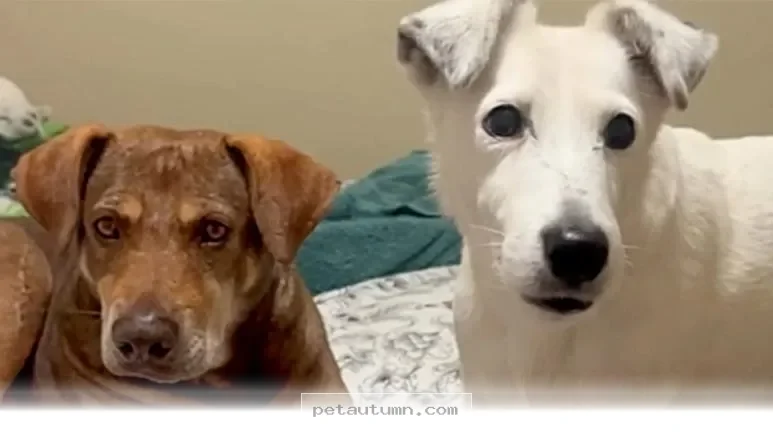
Finding a forever home is a dream for every rescue animal, but some journeys are longer and harder than others. Hugs arrived at his rescue with a history of neglect that included multiple broken bones and chronic health challenges.
Despite his gentle soul and unwavering love for humans, he spent an entire year waiting for a family to notice him. While other dogs found their matches quickly, Hugs remained in his kennel, watching the world go by.
Key Takeaways
- Resilience in rescue dogs often stems from their ability to keep trusting humans despite past trauma.
- Long-term shelter residents are frequently overlooked due to age, medical needs, or behavioral stigmas.
- Foster-to-adopt programs provide a unique way for families to see a dog’s true personality in a home setting.
- Every rescue dog has a story, and patience is often the final piece of the adoption puzzle.
The Reality of Shelter Life
When a dog enters a shelter with a history of trauma, the environment can be incredibly overwhelming for them. Many rescue organizations work tirelessly to provide medical care, but they cannot replace the comfort of a quiet, stable home.
The journey for dogs like Hugs often involves intensive rehabilitation and daily socialization. You might find that these resilient pups possess a deep sense of gratitude that transforms their bond with their eventual owners.
1. Understanding the Challenges
Shelter dogs often deal with high stress levels, which can manifest as changes in behavior or appetite. Recognizing these signs early allows staff to provide the right support.
- Symptoms of Stress in Shelter Dogs:
- Pacing or circling within the kennel.
- Refusal to eat or sudden pickiness with food.
- Excessive barking or vocalization when people walk by.
- Hiding in the back of the crate to avoid eye contact.
- Shaking or cowering when approached by strangers.
Why Some Dogs Wait Longer
It is heartbreaking when a dog waits months or even years for a family. Often, this is not because the dog lacks personality, but because potential adopters have specific expectations that a rescue dog might not meet at first glance.
You should consider that dogs with a history of injuries or chronic illnesses require extra attention and resources. While this is a significant commitment, the emotional reward of watching them heal is profound.
Comparison of Shelter Dogs vs. Puppies
Deciding between a rescue dog and a puppy is a big choice for any family. Here is a breakdown to help you understand the differences in care and temperament.
| Feature | Rescue Dog | Puppy |
|---|---|---|
| Training Status | Often house-trained | Requires full training |
| Energy Levels | Predictable | Very high |
| Medical Needs | May need maintenance | Vaccinations needed |
How You Can Support Long-Term Residents
If you are unable to adopt, there are still many ways to help dogs who have been waiting a long time. Shelters often rely on community support to keep these dogs comfortable until they find their perfect match.
2. Steps to Become a Shelter Advocate
- Volunteer your time: Walking a long-term resident can significantly reduce their stress and improve their behavior.
- Become a foster: Fostering allows you to give a dog a break from the shelter environment while learning their habits.
- Share their story: Use your social media platforms to highlight a specific dog that has been waiting a long time.
- Donate supplies: Shelters always need quality dog food, blankets, and durable toys for their residents.
- Provide feedback: Sharing your observations with the shelter staff helps them better market the dog to potential adopters.
The Power of a Foster Connection
Hugs eventually found his home when his foster mom decided she could not let him go. By opening her home, she saw past the medical reports and discovered the loyal companion hiding underneath.
When you foster, you provide the essential care that a dog needs to show their true colors. This transition is often what bridges the gap between a homeless dog and a beloved family member.
The information on petautumn.com is for general informational purposes only and does not constitute veterinary advice. Pet health needs vary by breed, age, and individual condition. Always consult a licensed veterinarian before making decisions about your pet’s health, diet, or medical treatment. Pet Autumn is not affiliated with any veterinary organization, pet food manufacturer, or breeder.
Choosing to adopt a dog that has been overlooked requires patience, love, and a commitment to their well-being. These dogs have often seen the worst of humanity, yet they remain ready to offer the best of themselves to you.
If you are looking for a new companion, consider visiting your local shelter and asking for the dogs who have been there the longest. You might just find that the dog you were not looking for is exactly the one you needed all along.

Cat care writer at petautumn.com. English Literature graduate (S.S) from Universitas Udayana. Covers cat breeds, behavior, nutrition, grooming, and health. Cat mom to Luna and Lina. Based in Austin, Texas.