Written by Kadek Darma
Many pet parents “boop” their dog’s nose without giving it a second thought. That cold, slightly damp snout pressing into your palm or tapping your leg for attention carries a pattern so intricate and specific that no other dog on the planet shares it.
Your dog’s nose print is a one-of-a-kind biological signature that is entirely unique. Science is finally catching up to what kennel clubs and breeders figured out nearly a century ago regarding these remarkable canine features.
Key Takeaways
- Every dog’s nose carries a textured pattern of ridges, bumps, and lines that form a distinctive, permanent biological signature.
- Research indicates that these patterns are fully established by 8 weeks of age and remain consistent throughout a dog’s life.
- While microchipping is the gold standard for identification, digital image recognition of nose prints is emerging as a potential secondary tool.
- Maintaining a healthy nose involves routine observation to spot changes like cracking, crusting, or unusual discharge.
- Protecting your dog’s nose health includes simple habits like using humidifiers in dry air and avoiding harsh, irritating products.
What Makes a Dog’s Nose So Distinctive
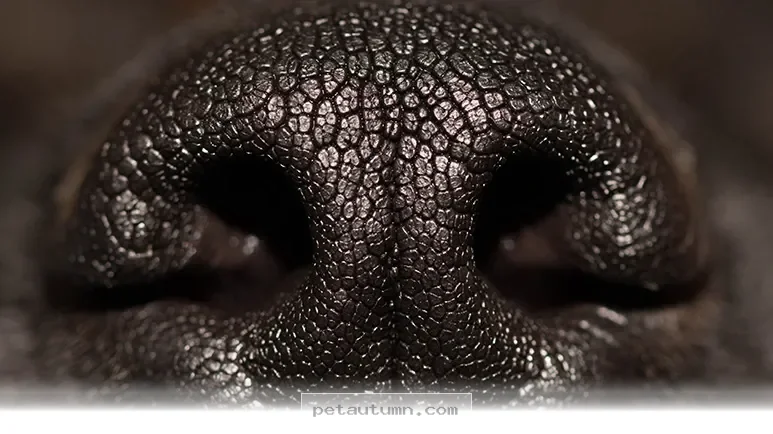
If you look closely at your dog’s nose in good light, you will see that the surface is far from smooth. It has a textured, leather-like appearance, with a complex web of ridges, bumps, and tiny lines crisscrossing in every direction.
This textured area is called the rhinarium, which is the hairless patch of skin at the very tip of the snout. Together with the overall shape of the nostrils, these details create what experts define as a unique nose print.
1. The Science of Uniqueness
That pattern is not just the result of a lifetime of sniffing through grass, dirt, and backyard brush. It actually forms before a puppy is even born, much like human fingerprints.
Scientists who have examined canine nose prints say the level of detail is surprisingly high. Even so, for many years, the claim that every dog’s nose print was unique rested on limited specific research.
2. Evidence from Recent Studies
Stronger evidence began to emerge in 2021 when a team of researchers published a study in the journal Animals. The study followed two litters of beagles, totaling 10 dogs, to track their development.
By 8 weeks of age, each puppy had a fully established nose print. Monthly checks over the next 12 months showed that these prints remained distinguishable and unchanged.
3. Comparing Identification Methods
The following table outlines how different identification methods compare for your peace of mind.
| Method | Reliability | Ease of Use |
|---|---|---|
| Microchip | High (Standard) | Professional Scanning |
| ID Tag | Moderate | Immediate |
| Nose Print | Emerging | Difficult (Requires Stillness) |
Advancements in image-recognition technology might eventually make nose-print databases a more viable, non-invasive backup for pet owners.
Could a Nose Print Help Identify a Lost Dog?
Long before apps and modern software entered the picture, dog nose prints were already being used as a practical form of identification. The Canadian Kennel Club began accepting them as proof of identity in 1938, and the practice continued for several decades.
By the early 1990s, advances in microchip technology largely replaced nose printing as the standard method of canine identification. Today, the concept has simply shifted into the digital realm through smartphone apps and advanced photo databases.
Tips for Protecting Your Dog’s Nose
A dog’s nose is living, sensitive tissue that deserves extra attention during your grooming routine. Because the rhinarium is constantly exposed to the elements, it acts as a primary indicator of your dog’s environmental comfort.
- Routine Monitoring: Check the nose for cracks or sores during your daily brushing sessions.
- Hydration: If the air in your home is dry, a humidifier can help prevent excessive drying.
- Sun Protection: Talk to your veterinarian about pet-safe sunscreens if your dog spends time outdoors in harsh light.
- Cleaning: Use only damp, soft cloths for cleaning; avoid harsh soaps or chemical wipes.
The following signs suggest it might be time to schedule a visit with your veterinarian for a closer look:
- Persistent cracking or bleeding
- Unusual or colored discharge
- Lumps or noticeable swelling
- Sudden changes in pigmentation or texture
- Signs of pain or sensitivity when touched
The information on petautumn.com is for general informational purposes only and does not constitute veterinary advice. Pet health needs vary by breed, age, and individual condition. Always consult a licensed veterinarian before making decisions about your pet’s health, diet, or medical treatment. Pet Autumn is not affiliated with any veterinary organization, pet food manufacturer, or breeder.
While you might be tempted to look for a special app to register your dog’s nose, always remember that reliable identification starts with microchipping. A chip provides a permanent, easily scannable record that works regardless of how wiggly your pup is feeling.
Your dog’s nose is a fascinating, functional, and deeply personal feature of their anatomy. Keeping it healthy and clean ensures that your favorite companion stays comfortable while they sniff out all the adventures you share together.

Dog care writer at petautumn.com. Visual Communication Design graduate (S.Ds) from Universitas Udayana. Covers dog breeds, behavior, training, and gear reviews. Dog dad to Meepo. Based in Austin, Texas.