Written by Kadek Darma
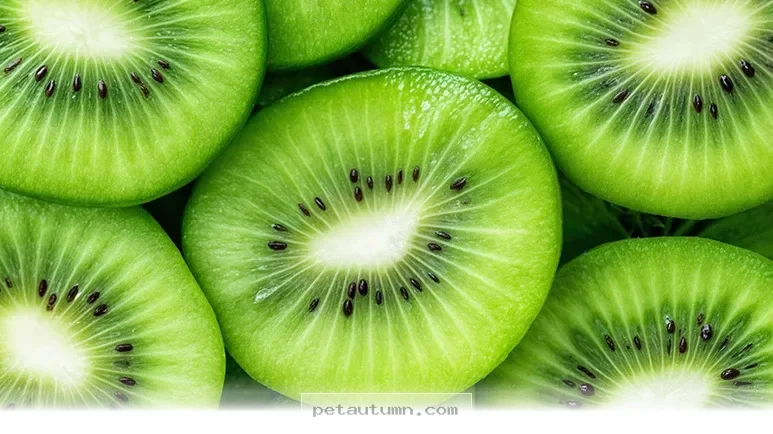
That fuzzy, brown, egg-shaped fruit sitting in your kitchen bowl might look a bit unusual, but it is actually a nutritional powerhouse. If you have ever wondered whether you can share a slice of kiwi with your furry best friend, the answer is yes, provided you keep a few safety guidelines in mind.
Beyond its unique appearance, this fruit is packed with essential vitamins like C, K, and E. It also contains unique enzymes that could offer a surprising boost to your pet’s digestive health when offered as an occasional treat.
Key Takeaways
- Kiwifruit is rich in beneficial phytochemicals, including flavonoids and carotenoids that support overall wellness.
- The enzyme actinidin found in kiwi helps break down proteins, which may aid in smoother digestion for your pet.
- Lutein, a key component in kiwi, helps protect eye health and may reduce the risk of age-related vision issues.
- Always remove the fuzzy peel and chop the fruit into small, manageable pieces to prevent choking hazards.
- Treats should only make up a small portion of your pet’s daily caloric intake to maintain a balanced diet.
Nutritional Benefits for Your Pet
Kiwifruit is more than just a sweet snack for your dog or cat. It provides a dense profile of antioxidants and phytochemicals that help manage oxidative stress.
1. Digestive Support
The presence of actinidin is one of the most exciting aspects of this fruit. This proteolytic enzyme functions similarly to bromelain in pineapples, assisting the body in breaking down proteins during the digestive process.
2. Eye and Immune Health
The lutein found in kiwifruit is particularly beneficial for the retina. Additionally, the high vitamin content supports a robust immune system, helping your pet stay resilient throughout the changing seasons.
| Nutrient | Primary Benefit |
|---|---|
| Vitamin C | Immune system support |
| Actinidin | Protein digestion aid |
| Lutein | Retinal health protection |
| Sugar Content | Use in moderation |
Understanding how these nutrients interact with your pet’s biology ensures you are providing the best possible care.
How to Safely Serve Kiwi to Pets
Safety is the top priority when introducing any new human food into your pet’s diet. Follow these simple steps to ensure a positive experience.
- Clean the surface: Thoroughly wash the outside of the fruit to remove any pesticide residue or dirt.
- Remove the skin: Although the skin is technically edible, it is tough and fuzzy, which can cause irritation or digestive upset.
- Slice appropriately: Cut the green flesh into small, bite-sized cubes. Large chunks pose a significant choking risk, especially for smaller dogs or cats.
- Monitor intake: Start with a very small amount to see how your pet reacts. Every animal has a unique digestive system that may respond differently to new fiber sources.
Always ensure that you are removing the fruit from its environment properly so your pet does not accidentally ingest the whole piece.
Signs of Digestive Upset
If your pet is sensitive to new foods, keep an eye out for these potential symptoms after they try kiwi for the first time:
- Loose stools or diarrhea
- Vomiting
- Excessive gas
- Lethargy after eating
If you notice any of these signs, stop offering the fruit immediately and return to their regular, balanced diet. You can find more guidelines on pet nutrition at the American Kennel Club.
Important Considerations
While kiwi is healthy, it should never replace a balanced, species-appropriate meal. Think of it as a small "superfood" topper rather than a staple of their daily calories.
Pros and Cons of Kiwifruit
- Pros: Excellent source of antioxidants, natural digestive enzymes, and essential vitamins.
- Cons: High in natural sugars, which can lead to weight gain if fed in excess.
- Caution: The fuzzy skin is a potential choking hazard and can be difficult to digest.
Keeping these factors in mind helps you maintain your pet’s health while allowing them to enjoy a tasty, occasional treat.
The information on petautumn.com is for general informational purposes only and does not constitute veterinary advice. Pet health needs vary by breed, age, and individual condition. Always consult a licensed veterinarian before making decisions about your pet’s health, diet, or medical treatment. Pet Autumn is not affiliated with any veterinary organization, pet food manufacturer, or breeder.
Adding a slice of kiwi to your pet’s bowl is a simple way to introduce extra nutrients. Just remember to keep the portions small and watch for any reactions.
By staying mindful of these tips, you can feel confident in sharing fresh, wholesome foods with your four-legged companion. Enjoy experimenting with healthy, pet-safe snacks that keep tails wagging and spirits high.

Dog care writer at petautumn.com. Visual Communication Design graduate (S.Ds) from Universitas Udayana. Covers dog breeds, behavior, training, and gear reviews. Dog dad to Meepo. Based in Austin, Texas.