[Last Updated: May 22, 2024]
Written by Ayu Pratiwi
Have you ever closed your front door and wondered exactly what your cat does the moment you walk away? It is a funny thought to entertain, especially when you find your favorite pillow misplaced or a toy sitting in the middle of the hallway.
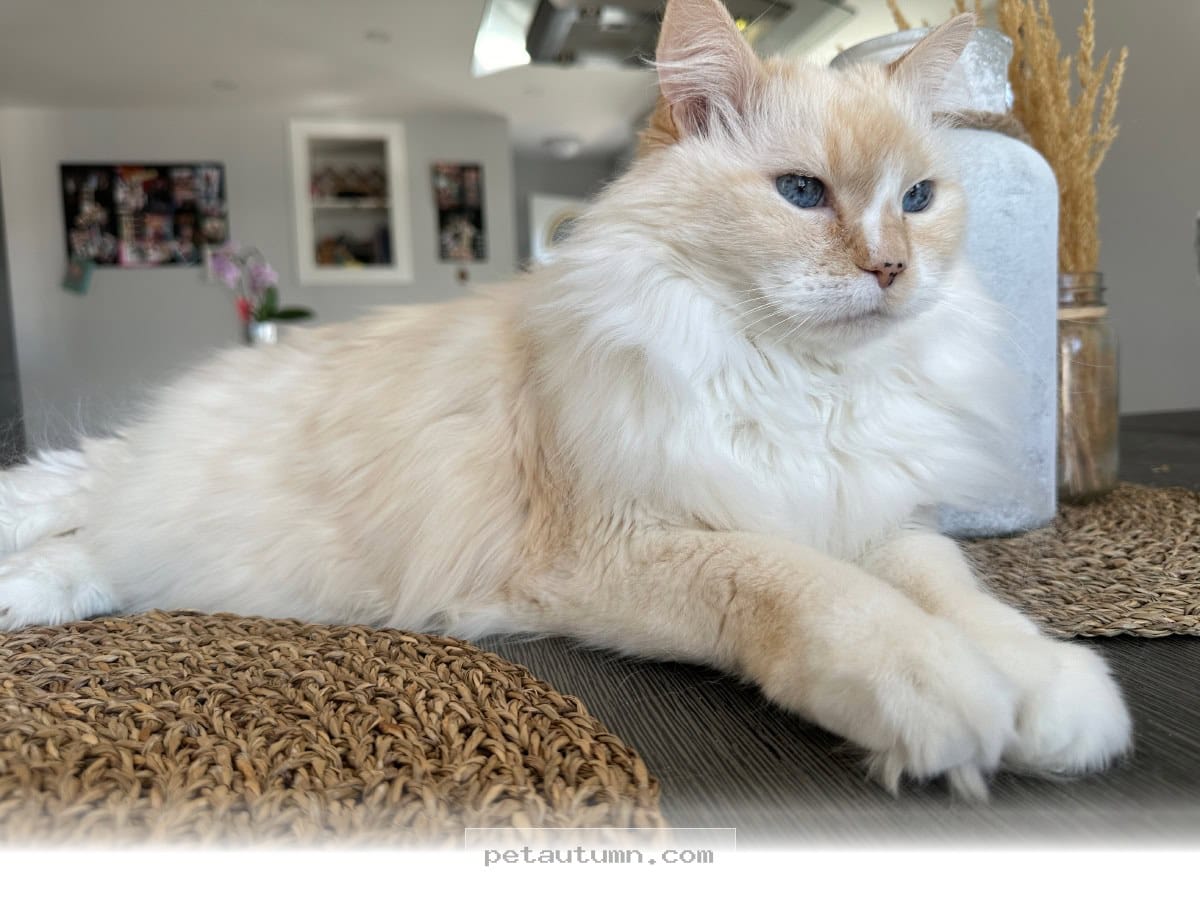
My fluffy Himalayan-Persian, Blue, is the queen of our household, and I often imagine her leading a secret double life while I am running errands. Maybe she is orchestrating a snack heist or perhaps she is simply practicing her royal waves from the windowsill.
Key Takeaways
- Cats often spend the majority of their time alone sleeping or observing the world from high perches.
- Mental stimulation is vital to prevent boredom and destructive behaviors while you are out of the house.
- Creating a predictable routine helps your feline companion feel secure and relaxed during your absence.
- Safe toys and vertical spaces turn a quiet home into an engaging environment for your pet.
Understanding Your Cat’s Daily Routine
Most indoor cats operate on a schedule that prioritizes energy conservation and strategic napping. While you are busy working, your cat is likely recharging for their next burst of activity.
| Activity Type | Typical Duration | Notes |
|---|---|---|
| Sleeping | 12-16 Hours | Essential for energy levels. |
| Grooming | 2-3 Hours | Maintains coat health and hygiene. |
| Play/Hunting | 1-2 Hours | Requires engagement with toys. |
| Destructive/Bored | Variable | Often stems from lack of enrichment. |
Understanding these natural patterns helps you provide a better living space for your cat. By recognizing that they are crepuscular hunters, you can better time your play sessions to align with their active hours.
1. The Importance of Vertical Space
Cats feel most confident when they can survey their territory from an elevated position. Consider installing cat trees or wall shelves to give your pet a bird’s eye view of the room.
If you have a window, ensure there is a comfortable ledge where your cat can watch birds or squirrels. This simple addition provides hours of entertainment and keeps their minds sharp while you are away.
2. Providing Mental Enrichment
Boredom is the primary cause of unwanted behavior in indoor cats. You can mitigate this by hiding treats around the house or using puzzle feeders to make mealtime a challenge.
- Rotate their toys weekly to keep them feeling fresh and interesting.
- Use automated laser toys or ball tracks for solo play sessions.
- Leave a radio on low volume to provide comforting background noise.
- Place a cat-safe bird feeder outside a window for natural entertainment.
3. Monitoring for Behavioral Changes
Sometimes, changes in your cat’s behavior when you are gone can indicate stress or health concerns. Keep an eye out for signs that your cat is not handling your absence well.
- Excessive vocalization when you return home.
- Changes in appetite or litter box habits.
- Excessive grooming or pulling out fur.
- Hiding more than usual or showing signs of lethargy.
If you notice these symptoms, you may want to review resources from the ASPCA regarding separation anxiety in pets.
Preparing Your Home for a Solo Cat
Transitioning your home into a cat-friendly sanctuary requires a bit of planning and consistent observation of your pet’s preferences.
| Preparation Item | Status | Benefit |
|---|---|---|
| Scratching Posts | Essential | Protects furniture and keeps claws healthy. |
| Fresh Water Fountain | Recommended | Encourages hydration throughout the day. |
| Closed Interior Doors | Caution | Prevents accidental locking in small spaces. |
| Loose Electrical Cords | Warning | Major safety hazard for curious kittens. |
Securing your home is just as important as providing entertainment. Walk through your living area at the cat’s eye level to identify potential hazards that you might normally overlook.
1. Safety First
Ensure all houseplants are non-toxic, as some cats enjoy nibbling on leaves when bored. You can check the ASPCA plant toxicity list to be certain your greenery is safe for your furry friend.
Keep fragile items tucked away on shelves that are not easily accessible by your cat. Even the most graceful pet can have a clumsy moment when playing with a stray toy.
2. Creating a Consistent Routine
Cats are creatures of habit and thrive on predictability. Try to feed them at the same time every day and maintain a steady schedule for your play sessions.
This reliability helps your cat understand when it is time to rest and when it is time to be active. A stable environment reduces anxiety and helps your pet stay calm until you return home.
3. The Power of Interactive Toys
If you are worried about your cat being lonely, consider automated toys that turn on at specific intervals. These gadgets offer a bit of company and movement in an otherwise quiet house.
- Battery-operated motion toys.
- Catnip-filled plushies for comfort.
- Crinkle tunnels that provide a place to hide.
- Food-dispensing balls that encourage active eating.
The information on petautumn.com is for general informational purposes only and does not constitute veterinary advice. Pet health needs vary by breed, age, and individual condition. Always consult a licensed veterinarian before making decisions about your pet’s health, diet, or medical treatment. Pet Autumn is not affiliated with any veterinary organization, pet food manufacturer, or breeder.
While I love imagining Blue having grand adventures, I know she is likely just waiting for my return. The secret life of a house cat is mostly about comfort and waiting for their favorite human to walk through the door.
Make sure your home is a place where your cat feels safe, stimulated, and loved even when you are away. With a few simple tweaks to their environment, you can ensure your cat stays happy throughout the day.

Cat care writer at petautumn.com. English Literature graduate (S.S) from Universitas Udayana. Covers cat breeds, behavior, nutrition, grooming, and health. Cat mom to Luna and Lina. Based in Austin, Texas.