[Last Updated: May 22, 2024]
Written by Ayu Pratiwi
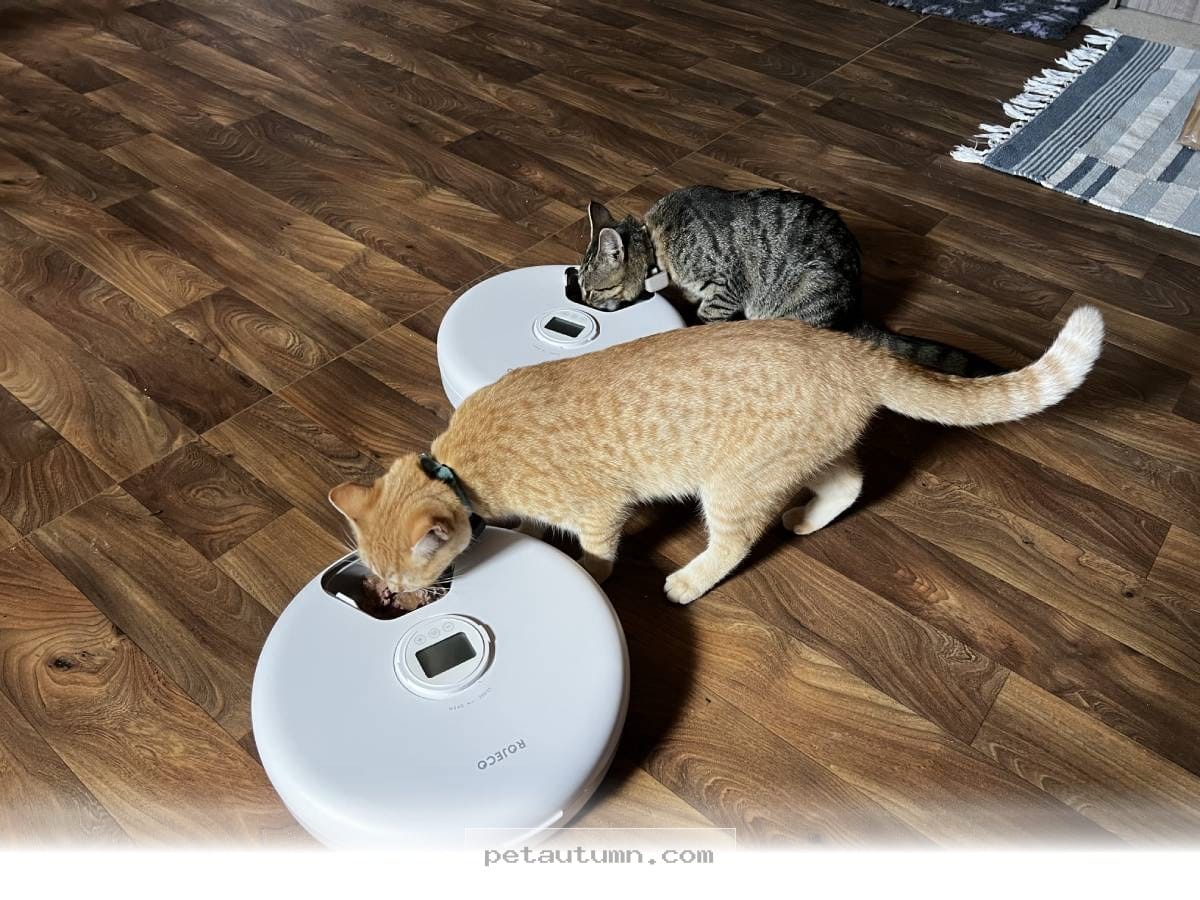
Living with two hungry kittens is a wild ride. They always seem to think it is breakfast time, even at three in the morning.
My kittens are food-obsessed. The second my feet hit the floor, they are already weaving between my ankles, demanding their breakfast.
Key Takeaways
- Automatic feeders help manage portion control for cats prone to overeating.
- Consistent feeding schedules reduce stress and prevent early morning wake-up calls.
- Always check if your feeder is compatible with your cat’s specific kibble size.
- Battery backup features are essential in case of unexpected power outages.
- Gravity feeders are best for dry food, while smart feeders offer more control.
Why You Should Consider an Automatic Cat Feeder
Life gets busy, and sometimes the daily routine hits a snag. Whether you are stuck at the office or just trying to sleep in on a Saturday, an automatic feeder provides peace of mind.
These devices ensure your feline friends receive their meals exactly on time. They take the guesswork out of daily nutrition management for your pets.
Common Symptoms of Irregular Feeding Habits
If your cat struggles with their current meal routine, you might notice a few changes in their behavior. Watching for these signs can help you decide if a change in your feeding system is necessary.
- Persistent begging for food throughout the day.
- Unexplained weight gain or rapid weight loss.
- Aggressive behavior around food bowls or other pets.
- Excessive meowing or pacing before typical meal times.
- Digestive upsets from eating too much too quickly.
Pros and Cons of Automated Feeding Systems
| Feature | Pros | Cons |
|---|---|---|
| Portion Control | Helps maintain healthy weight | Can be difficult to calibrate |
| Schedule Consistency | Reduces begging behaviors | Requires initial setup time |
| Tech Integration | Remote monitoring via apps | Dependent on Wi-Fi or batteries |
| Gravity Feeders | Budget-friendly and simple | Risk of overeating for some cats |
Table: Comparison of feeding systems. Green rows indicate positive outcomes, while yellow rows indicate potential cautions.
Moving from manual feeding to automation requires careful planning and observation.
3 Steps to Choose the Right Feeder
Choosing the right device involves looking at your cat’s specific needs and your home environment. Take your time to research options before making a final decision.
1. Assess Your Cat’s Eating Style
Some cats prefer grazing throughout the day, while others are "inhale-the-bowl" eaters. If your cat gulps their food, look for a model that dispenses small portions slowly.
For the grazers, a simple gravity feeder might work just fine. However, high-tech units are better if you need to track exactly how much your cat eats daily.
2. Check the Power Source
Reliability is the most important factor in any electronic pet device. Most feeders plug into a wall outlet, but the best ones also include a battery backup.
You never want your cat to go hungry during a sudden storm or a power flicker. Always double-check that the unit includes a battery compartment for emergencies.
3. Evaluate the Material Quality
Cats can be sensitive to the materials in their food dishes. Look for feeders that use stainless steel or BPA-free plastic to keep things hygienic.
Stainless steel is generally easier to clean and prevents the buildup of bacteria. Check out these guidelines from the ASPCA regarding proper pet nutrition and dish hygiene.
Maintaining Your Automatic Feeder
Technology is great, but it still requires regular maintenance to keep things running smoothly. You should clean the internal food compartments at least once a week.
Old food particles can get stuck in the gears or the chute, leading to clogs. Keeping the mechanism clean ensures that your cat gets their full meal every single time.
Essential Supplies for Feeder Maintenance
- Mild dish soap for cleaning removable parts.
- Soft brushes to scrub the food chute.
- Spare batteries stored in a cool, dry place.
- A microfiber cloth for wiping down the exterior.
- A backup food bowl in case of technical issues.
For more information on feline health and dietary requirements, you can visit the Cornell Feline Health Center.
The information on petautumn.com is for general informational purposes only and does not constitute veterinary advice. Pet health needs vary by breed, age, and individual condition. Always consult a licensed veterinarian before making decisions about your pet’s health, diet, or medical treatment. Pet Autumn is not affiliated with any veterinary organization, pet food manufacturer, or breeder.
Finding the right automatic feeder has truly changed how I manage my mornings with the kittens. I get a little more sleep, and they get their breakfast without any drama.
If you decide to switch to an automated system, monitor your cats closely for the first few days. It helps to ensure they are comfortable with the new sound and the process of the food hitting the bowl.

Cat care writer at petautumn.com. English Literature graduate (S.S) from Universitas Udayana. Covers cat breeds, behavior, nutrition, grooming, and health. Cat mom to Luna and Lina. Based in Austin, Texas.