Written by Kadek Darma
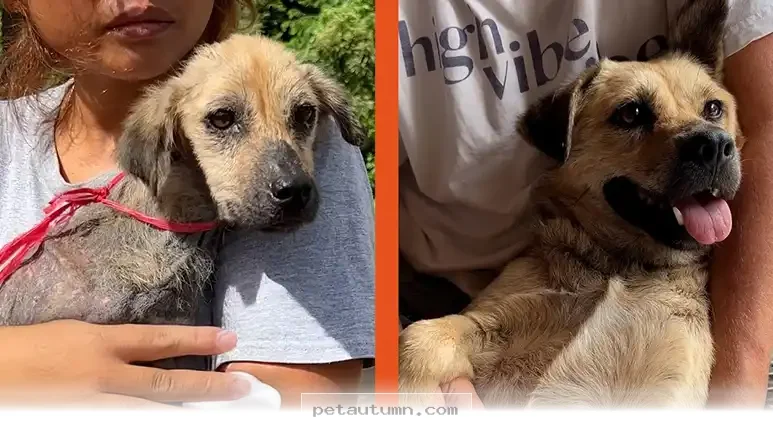
The story of Lisa is a powerful reminder of the incredible spirit found within our canine companions. Found tied up and struggling for survival, her journey from a state of total neglect to vibrant health is nothing short of breathtaking.
Watching her transformation reminds us that with enough patience and care, even the most difficult circumstances can lead to a beautiful new chapter. It is a testament to the bond we share with our pets and the impact that love can have on their recovery.
Key Takeaways
- Resilience is a core trait in dogs, allowing them to overcome severe trauma and illness.
- Early intervention and professional medical care are vital when rescuing a dog in poor condition.
- Nutritional support is essential for rebuilding strength after prolonged starvation or neglect.
- Mental stimulation and socialization play a huge role in restoring a dog’s confidence.
- Creating a stable environment helps pets heal both physically and emotionally.
Understanding the Path to Canine Recovery
When you take on the responsibility of caring for a dog that has endured hardship, you are embarking on a deeply rewarding journey. These brave animals often require a specialized approach to ensure they recover safely and comfortably.
1. Recognizing the Signs of Distress
Before you can help a dog recover, you must first recognize the physical and behavioral cues they exhibit. Understanding these signs helps you communicate effectively with your veterinarian about the care your new friend needs.
- Lethargy and unusual lack of interest in play or food.
- Visible skin conditions, such as hair loss or chronic irritation.
- Physical weakness or difficulty standing for long periods.
- Avoidance behaviors or fear responses to sudden movements.
- Digestive issues resulting from prolonged malnutrition.
2. The Foundation of Nutritional Healing
Rebuilding a dog’s body after starvation is a slow and careful process that requires expert guidance. You cannot simply offer large portions of food, as this can lead to serious metabolic complications.
| Recovery Phase | Care Focus | Safety Status |
|---|---|---|
| Initial Week | Stabilization and hydration monitoring | Critical |
| Weeks 2-4 | Controlled caloric increase | Caution |
| Maintenance | Balanced diet and exercise | Positive |
3. Creating a Calm Environment
A dog that has lived through trauma needs a predictable space where they feel truly safe. You can foster this sense of security by keeping your daily routine consistent and providing a quiet place for them to retreat.
- Designate a comfortable crate or bed in a low-traffic area.
- Use calm, soothing tones when interacting with your dog.
- Minimize loud noises or chaotic gatherings in the home.
- Establish a strict schedule for meals and outdoor breaks.
- Provide gentle, positive reinforcement for every small victory.
Why Patience is Your Best Tool
Recovery is rarely a straight line, and you will likely see days where your dog seems to take a step back. This behavior is common as they process past experiences while adjusting to their new, healthier lifestyle.
Consistency in your routine provides the security they need to move forward at their own pace. By being a steady presence, you allow them to slowly drop their guard and start trusting their environment again.
Essential Supplies for a Rescuing Journey
If you are planning to help a dog recover, having the right tools makes the process much smoother for everyone involved. You should organize these items before bringing your new companion home to ensure they have everything they need.
- High-quality, easy-to-digest canned food recommended by a professional.
- Soft, orthopedic bedding to support aching joints and provide comfort.
- Durable but gentle grooming tools for managing skin issues.
- Calming pheromone diffusers to help reduce anxiety in the home.
- A sturdy harness for secure, controlled walks in quiet areas.
For more insights on keeping your dog healthy and happy, you can look into resources provided by the AKC. Maintaining a proactive approach to their health ensures they enjoy a long and comfortable life with you.
The information on petautumn.com is for general informational purposes only and does not constitute veterinary advice. Pet health needs vary by breed, age, and individual condition. Always consult a licensed veterinarian before making decisions about your pet’s health, diet, or medical treatment. Pet Autumn is not affiliated with any veterinary organization, pet food manufacturer, or breeder.
Watching a dog transition from a state of fear to a life of joy is one of the most fulfilling experiences a pet owner can have. Your dedication to their recovery gives them a second chance at the happiness they deserve.
Take each day one step at a time, celebrating the small wins along the way. Your patience and kindness are the greatest gifts you can offer as your new friend discovers what it truly means to be loved.

Dog care writer at petautumn.com. Visual Communication Design graduate (S.Ds) from Universitas Udayana. Covers dog breeds, behavior, training, and gear reviews. Dog dad to Meepo. Based in Austin, Texas.