Written by Kadek Darma
Rescuing a dog with mobility issues often feels like a journey into the unknown. You might find yourself staring at a sweet, wobbly pup and wondering how you can help them navigate a world designed for steady legs.
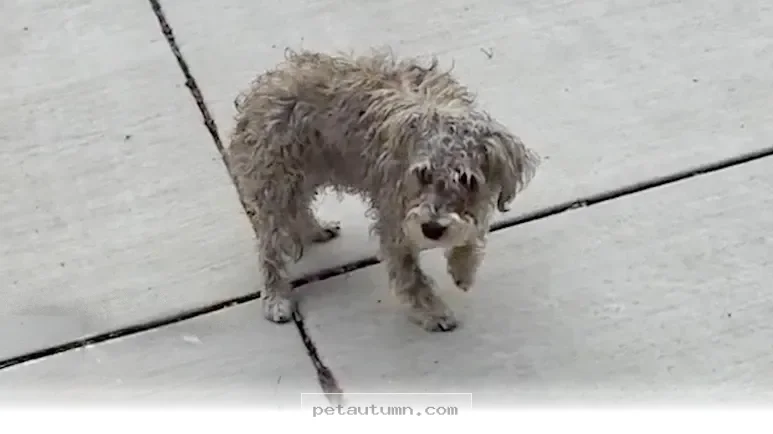
That was exactly the situation with Scruff, a rescue dog whose uncoordinated movements left everyone baffled. Once he realized he was in a safe space, he didn’t just survive; he truly started to bloom in his own unique way.
Key Takeaways
- Resilience in dogs often shines brightest when they feel secure and loved.
- Unexplained wobbliness requires patience, observation, and professional veterinary guidance.
- Mobility aids can significantly improve a dog’s quality of life and confidence.
- Focus on what your dog can do rather than what they cannot.
Understanding Your Dog’s Mobility Challenges
Watching your dog struggle to keep their balance is heartbreaking for any pet parent. You want to fix the problem instantly, but the first step is always to observe their behavior closely.
Whether the instability is caused by neurological issues, past injuries, or developmental hurdles, patience is your best tool. You are their advocate, and your calm presence helps them feel more confident during their daily movements.
1. Identifying Common Signs of Mobility Issues
If you notice your dog having trouble getting around, keep a detailed log of their actions. Knowing what to look for helps you provide better information to your vet during your next visit.
- Shaking or trembling while standing still
- Frequent tripping over their own paws
- Difficulty navigating stairs or slippery floors
- Favoring one side while walking
- Unexpected falling or loss of balance
2. Supporting Your Wobbly Companion
Making small changes to your home environment can make a massive difference for a pet with coordination issues. You might be surprised at how much a few simple rugs can change your dog’s daily life.
- Add Traction: Use yoga mats or area rugs on hardwood and tile floors to prevent slipping.
- Simplify Access: Use ramps instead of stairs whenever possible to reduce joint strain.
- Keep Nails Trimmed: Long nails can cause dogs to lose their footing on smooth surfaces.
- Gentle Exercise: Focus on short, controlled walks rather than high-impact activities.
Comparing Mobility Support Options
When your dog needs a little extra help, there are several ways to support them. Each dog is different, so what works for one may not be the perfect fit for another.
| Support Method | Best For | Considerations |
|---|---|---|
| Support Harness | Helping with balance during walks | Requires your active participation |
| Non-Slip Socks | Indoor traction on slippery floors | Some dogs may try to remove them |
| Dog Wheelchair | Chronic mobility loss or weakness | Needs professional fitting and adjustment |
Encouraging Movement Through Confidence
Once Scruff felt safe, he began to experiment with his own gait. He realized that running actually felt more natural and stable for him than walking slowly.
This is a common phenomenon for many dogs with coordination challenges. Momentum can sometimes act as a stabilizer, helping them maintain a rhythm that is harder to achieve when moving at a snail’s pace.
Steps to Help Your Dog Build Strength
You play a vital role in your dog’s physical journey. By creating a routine that emphasizes success and play, you can help them build the muscle and confidence they need to thrive.
- Start with Short Sessions: Keep training and play times brief to avoid over-tiring your pet.
- Use Positive Reinforcement: Reward every small success with a treat or a gentle verbal praise.
- Consult a Professional: Always work with your veterinarian or a canine rehabilitation therapist to create a safe plan.
- Consistency is Key: Daily, low-stress practice helps your dog maintain their progress over time.
Why Your Approach Matters
Your dog looks to you to gauge their own success. If you approach their mobility challenges with frustration, they may feel anxious and retreat.
However, if you approach them with excitement for every small victory, they will feel empowered to keep trying. Scruff didn’t learn to run because he was forced; he learned because he felt safe enough to explore his own capabilities.
The information on petautumn.com is for general informational purposes only and does not constitute veterinary advice. Pet health needs vary by breed, age, and individual condition. Always consult a licensed veterinarian before making decisions about your pet’s health, diet, or medical treatment. Pet Autumn is not affiliated with any veterinary organization, pet food manufacturer, or breeder.
Every dog has their own rhythm and their own way of navigating the world. While you might wish for them to move like every other dog, finding joy in their unique way of running is what makes the bond between you so special.
Keep observing, keep supporting, and most importantly, keep loving them through every wobbly step. Your patience is the greatest gift you can give a rescue dog finding their way home.

Dog care writer at petautumn.com. Visual Communication Design graduate (S.Ds) from Universitas Udayana. Covers dog breeds, behavior, training, and gear reviews. Dog dad to Meepo. Based in Austin, Texas.