Written by Ayu Pratiwi
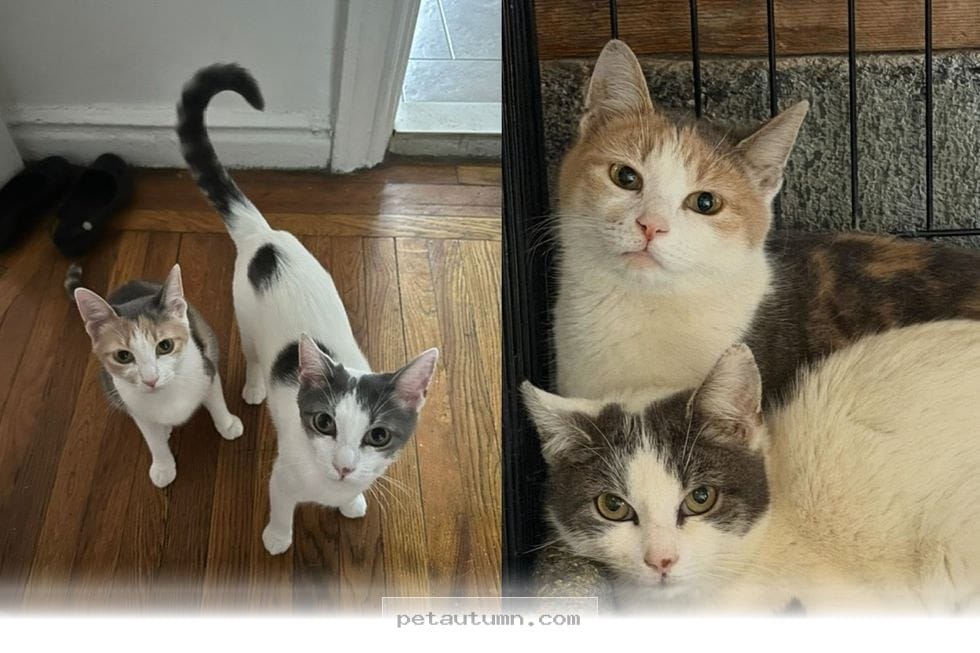
Imagine living in a dark, oil-stained corner of a bustling auto shop. For two feline sisters, this harsh reality was their only home until a compassionate rescue changed their lives forever.
Their journey from a grime-covered garage to a cozy, sun-drenched living room is a beautiful reminder of how love heals. You might wonder how two street-hardened kittens learn to trust humans after surviving such a rough start.
Key Takeaways
- Bonded pairs often recover faster from trauma when kept together.
- Rescued street cats require patience and a slow introduction to home life.
- Creating a safe, predictable environment helps shy cats build confidence.
- Veterinary checkups are essential for cats coming from outdoor, unsanitary environments.
The Reality of Street Cat Rescues
Many cats living in industrial areas struggle to find consistent food and shelter. These animals often develop strong survival instincts that make them wary of human contact.
When you decide to adopt a rescue cat, you are offering a second chance at happiness. The transformation from a fearful street dweller to a pampered house cat is truly heartwarming to witness.
Common Signs of Stress in Rescued Cats
If you have recently brought home a rescue, keep an eye out for these behaviors. These are natural reactions to a sudden change in environment.
- Hiding under beds or in dark corners for extended periods.
- Refusal to eat or drink during the first twenty-four hours.
- Hissing or growling when you get too close to their space.
- Over-grooming or patches of missing fur due to anxiety.
- Wide, dilated pupils indicating they feel threatened or uncertain.
Transitioning a rescue cat into your home requires a calm approach and plenty of empathy.
Setting Up a Sanctuary for Your New Cat
Before your new friends arrive, you should prepare a small, quiet space for them. A spare bedroom or a quiet laundry room works perfectly as a base camp.
Make sure the room is stocked with all the necessities they need to feel secure. Having their own territory helps them decompress without feeling overwhelmed by the rest of the house.
1. Essential Supplies for Rescues
| Item | Importance | Notes |
|---|---|---|
| High-quality food | High | Consult your vet for age-appropriate nutrition |
| Vertical space | Medium | Cat trees provide a sense of safety |
| Hiding spots | High | Cardboard boxes are often preferred |
| Feliway diffusers | Medium | Helps create a calming atmosphere |
| Soft bedding | High | Washable blankets are best for hygiene |
Helping Bonded Pairs Adjust
When you adopt a pair of siblings, you provide them with a built-in support system. They share a common language and history, which makes the transition much smoother for everyone.
Never separate bonded cats unless a veterinarian recommends it for medical reasons. Keeping them together allows them to comfort each other during the scary process of moving to a new home.
Benefits of Adopting Bonded Pairs
- They keep each other entertained while you are at work.
- Grooming one another reduces stress and strengthens their social bond.
- They are generally more confident when facing new situations together.
- You get double the purrs and twice the love in your home.
Adopting a bonded pair is a rewarding experience that keeps these sisters together for life.
Monitoring Health After Rescue
Cats living in auto shops or urban colonies are often exposed to various environmental hazards. Always schedule an initial wellness exam with a local clinic as soon as you settle them in.
According to the ASPCA, routine veterinary care is the foundation of a long and healthy life. Your vet will help you organize a schedule for vaccines and parasite prevention.
Quick Health Checklist
- Check for signs of upper respiratory infections like sneezing.
- Look for parasites such as fleas, ticks, or ear mites.
- Monitor their litter box habits to ensure they are feeling well.
- Observe their energy levels to spot any sudden lethargy.
Ensuring your cats are healthy and happy is the primary goal of every pet parent.
Building Trust Through Positive Reinforcement
You cannot force a rescue cat to love you on your timeline. Instead, let them come to you when they feel ready to interact.
Spend time sitting on the floor in their room while reading or working quietly. This teaches them that your presence is non-threatening and peaceful.
Tips for Building a Lasting Bond
- Use a gentle, soft voice whenever you speak to them.
- Offer high-value treats to create positive associations with your presence.
- Use a wand toy to engage them without requiring direct touch.
- Reward calm behavior with quiet praise and distance.
- Be patient, as some cats take months to fully open up.
Following these steps will help you create a strong, trusting relationship with your new companions.
The information on petautumn.com is for general informational purposes only and does not constitute veterinary advice. Pet health needs vary by breed, age, and individual condition. Always consult a licensed veterinarian before making decisions about your pet’s health, diet, or medical treatment. Pet Autumn is not affiliated with any veterinary organization, pet food manufacturer, or breeder.
Welcoming rescue cats into your home is one of the most selfless things you can do. You are not just giving them a roof over their heads, but a future filled with love.
Watching these sisters thrive after their difficult start is a testament to the power of kindness. May your journey with your own rescued pets be just as rewarding and full of joy.

Cat care writer at petautumn.com. English Literature graduate (S.S) from Universitas Udayana. Covers cat breeds, behavior, nutrition, grooming, and health. Cat mom to Luna and Lina. Based in Austin, Texas.