Written by Ayu Pratiwi
Losing a home is hard for any pet, but it is especially difficult for senior cats who have spent their entire lives together. When two bonded brothers suddenly find themselves back at square one, their world turns upside down.
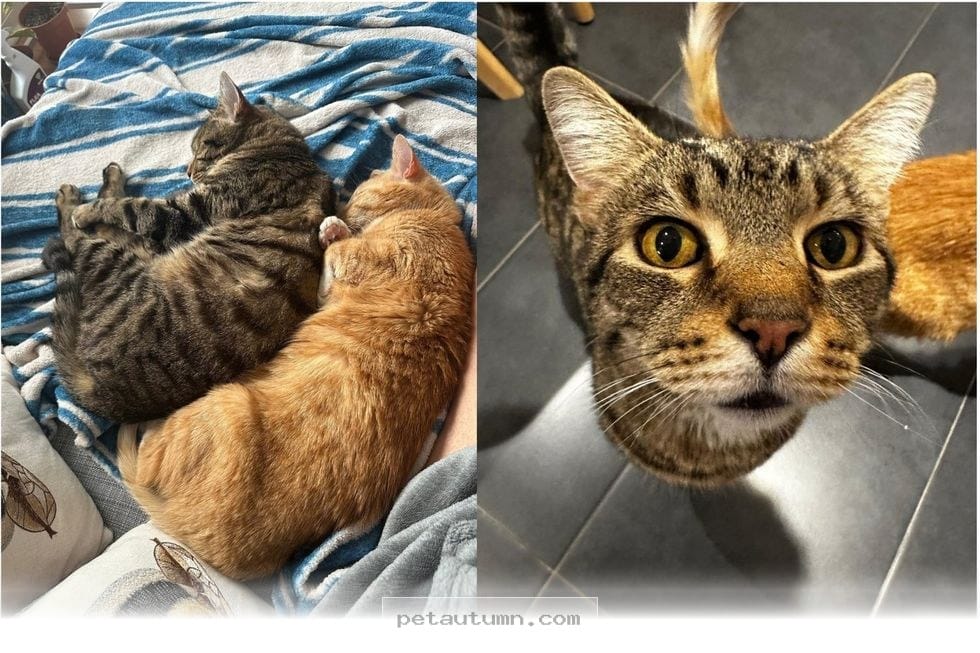
Watching these gentle souls navigate the uncertainty of a shelter environment can break your heart. Fortunately, a compassionate foster parent stepped in to give these orange tabby brothers the soft landing they deserved.
Key Takeaways
- Senior cats often struggle more than kittens when transitioning to new environments.
- Keeping bonded pairs together significantly reduces stress and anxiety during life changes.
- Foster homes provide a calm space for shy older cats to reveal their true personalities.
- Patience and routine are the most effective tools for helping senior cats settle into a new home.
Understanding the Needs of Senior Bonded Pairs
Helping older cats adjust requires a deep understanding of their specific psychological needs. These cats are not looking for high-energy play; they are looking for stability, predictability, and safety.
Bonded pairs share a unique language of comfort and support that you cannot replicate alone. When you separate them, you risk triggering severe depression or behavioral withdrawal in both animals.
Why Keeping Them Together Matters
Bonded seniors provide each other with a sense of security that makes the transition process much faster. Having a familiar friend nearby helps them feel brave enough to explore new rooms or approach new people.
| Factor | Bonded Pair | Solo Senior |
|---|---|---|
| Stress Levels | Lower (Shared comfort) | Higher (Requires human support) |
| Adaptation Speed | Faster | Slower |
| Confidence | Mutual encouragement | Needs human confidence building |
Transitioning senior cats is a gentle journey that rewards your patience with immense love.
Creating a Safe Haven for Senior Fosters
When you bring senior cats into your home, you must prioritize their comfort above all else. Start by setting up a small, quiet room where they can hide if they feel overwhelmed.
Essential Steps for Successful Integration
- Keep the initial space small so the cats do not feel pressured to explore a large, scary house.
- Maintain a strict schedule for feeding, grooming, and quiet time to build a sense of predictability.
- Use calming pheromone diffusers to help reduce their ambient stress levels while they adjust to your scent.
- Spend time sitting on the floor reading or working quietly to let them get used to your presence.
- Allow them to approach you on their terms instead of forcing interactions that might make them anxious.
Your presence should be a quiet, non-threatening background element until they decide you are safe. Many senior cat care tips emphasize that the goal is to build trust through consistency.
Identifying Signs of Progress
As they become more comfortable, you will start to see their unique personalities emerge. Look for these positive changes that signal your foster cats are beginning to trust their new surroundings.
- Eating meals with enthusiasm instead of waiting for you to leave the room.
- Engaging in grooming sessions with each other, which is a sign of relaxation.
- Choosing to sleep in open areas rather than hiding under beds or furniture.
- Greeting you at the door or showing interest in your daily activities.
- Beginning to play with soft toys or batting at feather wands for short bursts.
It is normal for progress to move in fits and starts, so do not get discouraged by a bad day. Every cat processes change at a different pace, and that is perfectly okay.
Monitoring Senior Health
Aging cats require closer observation because they are more prone to underlying health issues. Watch for subtle changes in their behavior that might indicate discomfort or medical needs.
Common Signs to Watch For
- Increased vocalization, especially at night.
- Changes in litter box habits or avoidance of the box.
- Stiffness when jumping onto furniture or walking up stairs.
- Reduced appetite or sudden pickiness with food textures.
- Frequent hiding or excessive desire for isolation.
Always keep a close eye on their physical condition to ensure they remain happy and healthy. You can find detailed senior pet resources to help you recognize when a visit to the veterinarian is necessary.
The information on petautumn.com is for general informational purposes only and does not constitute veterinary advice. Pet health needs vary by breed, age, and individual condition. Always consult a licensed veterinarian before making decisions about your pet’s health, diet, or medical treatment. Pet Autumn is not affiliated with any veterinary organization, pet food manufacturer, or breeder.
Welcoming senior cats into your home is a rewarding experience that changes your perspective on feline companionship. By providing a safe space and respecting their history, you allow their true, golden personalities to shine through.
These brothers found their way back to happiness because someone was willing to look past their age. You have the power to offer that same grace to a senior pet who is waiting for their second chance.

Cat care writer at petautumn.com. English Literature graduate (S.S) from Universitas Udayana. Covers cat breeds, behavior, nutrition, grooming, and health. Cat mom to Luna and Lina. Based in Austin, Texas.