Written by Kadek Darma
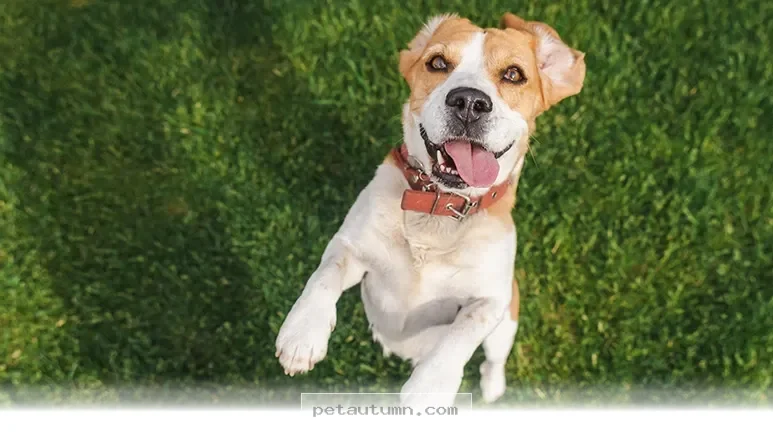
Have you ever watched a video of a dog seemingly dancing in perfect rhythm with their human partner? It is a captivating sight that blends obedience, creativity, and pure joy into a single performance. This activity, known as musical canine freestyle, is a fantastic way to burn off your dog’s excess energy while strengthening your bond.
If you are looking for a unique hobby that challenges both your brain and your pup’s body, this sport might be your next obsession. It is more than just teaching tricks; it is about creating a choreographed masterpiece that highlights your dog’s natural athleticism and personality.
Key Takeaways
- Canine freestyle is a choreographed sport combining obedience, tricks, and music to showcase teamwork.
- The sport features two distinct styles: heelwork-focused routines and trick-heavy musical freestyle.
- Success relies on breaking complex routines into small, manageable sections for your dog to learn.
- Competitive events judge teams on both technical precision and artistic expression.
- Always wait for physical maturity before starting high-impact training to protect your dog’s joints.
Understanding Musical Canine Freestyle
Musical canine freestyle is an up-and-coming activity that turns standard training into an art form. By incorporating music, you can transform basic commands into a dynamic performance that keeps your dog mentally stimulated and physically fit.
This sport is deeply rooted in the concept of teamwork. You are not just the owner; you are a partner in a dance, working together to interpret the beat and flow of your chosen track.
1. The Two Main Styles of Freestyle
While the goal is always to have fun, you will generally find yourself choosing between two specific disciplines. Each requires a different focus during your training sessions.
| Style | Primary Focus | Best For |
|---|---|---|
| Freestyle Heeling | Close-proximity movement | Precision-oriented dogs |
| Musical Freestyle | Tricks and distance work | High-energy, creative dogs |
2. Getting Started with Training
To build a successful routine, you must first expand your dog’s training repertoire beyond the standard left-side heel. Teaching your dog to work comfortably on both sides of your body is essential for fluid movement.
Follow these steps to organize your training:
- Master basic maneuvers on both your left and right sides.
- Break your music selection into short, thirty-second segments.
- Teach two or three tricks that fit the rhythm of each segment.
- Gradually link the segments together to form a full routine.
- Practice in short bursts to keep your dog enthusiastic and focused.
3. Essential Considerations for Your Dog
Before you begin, consider your dog’s physical health and age. High-impact movements like jumping or sharp pivots should only be introduced once your veterinarian confirms your dog has reached full physical maturity.
- Symptoms of overexertion: Heavy panting, lagging behind, or loss of interest in treats.
- Safety warning: Avoid hard surfaces for training to protect your dog’s joints and paws.
- Ideal traits: Eager to please, high focus, and a playful attitude toward learning.
4. Supplies to Keep on Hand
You do not need much to get started, but having the right tools makes practice sessions much more efficient. Keep these items organized in a dedicated bag:
- High-value, small training treats that your dog loves.
- A clicker or a specific marker word for precise timing.
- A portable speaker for practicing with your chosen music.
- Lightweight props if you intend to incorporate theatrical elements.
For further reading on maintaining your dog’s physical wellbeing, you can check out resources from the American Kennel Club. Ensuring your dog is physically capable of these movements is the most important step in any training journey.
The information on petautumn.com is for general informational purposes only and does not constitute veterinary advice. Pet health needs vary by breed, age, and individual condition. Always consult a licensed veterinarian before making decisions about your pet’s health, diet, or medical treatment. Pet Autumn is not affiliated with any veterinary organization, pet food manufacturer, or breeder.
Musical canine freestyle is a beautiful way to celebrate the unique connection you share with your companion. Whether you aim to compete on a stage or simply want to spice up your daily training sessions in the backyard, the benefits of this activity are endless.
Take your time with the process and keep the atmosphere light and rewarding. Your dog will appreciate the extra attention, and you will likely find that your own coordination improves alongside theirs.
Dog care writer at petautumn.com. Visual Communication Design graduate (S.Ds) from Universitas Udayana. Covers dog breeds, behavior, training, and gear reviews. Dog dad to Meepo. Based in Austin, Texas.