Written by Kadek Darma
Most dog parents diligently manage the basics like diet, grooming, and regular exercise. Dental health, however, is one area that often slips through the cracks because it is harder to see and rarely feels urgent until something goes wrong.
Part of what makes dental issues so easy to overlook is that dogs are masters at hiding pain. They often continue to eat and act relatively normal even when they are dealing with significant discomfort, making it easy for you to miss the early warning signs.
Key Takeaways
- Tooth infections typically begin as plaque and tartar buildup, which eventually leads to gingivitis and periodontal disease.
- Watch for subtle changes in your dog’s behavior, such as chewing on one side, sudden pickiness, or rubbing their face against furniture.
- Bacteria from advanced dental infections can enter the bloodstream and potentially affect the heart, kidneys, and liver.
- Regular home care, including brushing and providing appropriate chew toys, is essential for maintaining your dog’s oral hygiene.
- If you notice persistent bad breath, facial swelling, or bleeding gums, schedule a professional veterinary exam as soon as possible.
How a Dental Infection Develops
Most tooth infections begin with plaque, a sticky film of bacteria that accumulates on your dog’s teeth throughout the day. If this film is not brushed away, it hardens into tartar within a few days, creating a rough surface where bacteria can easily thrive.
As tartar builds up along the gumline, it pushes the tissue back and creates a small, deep pocket between the tooth and the gum. This pocket provides the perfect hiding spot for bacteria to multiply, far away from the reach of your toothbrush.
1. The Progression of Gum Disease
Once bacteria slip below the gumline, the body responds with inflammation, which is known as gingivitis. If left unaddressed, this process continues until the infection reaches the root of the tooth and the surrounding bone structure.
This advanced stage, called periodontal disease, is the most common cause of tooth infections in adult dogs. Additionally, broken or cracked teeth can provide a direct path for bacteria to enter the sensitive pulp inside the tooth, often leading to painful root abscesses.
| Condition | Primary Cause | Risk Level |
|---|---|---|
| Plaque | Food particles and saliva | Low (Reversible) |
| Gingivitis | Untreated tartar buildup | Moderate (Manageable) |
| Periodontal Disease | Advanced infection and bone loss | High (Serious) |
2. Identifying Hidden Symptoms
Because the visible part of the tooth often looks normal, you have to look for behavioral clues instead. Keep an eye out for these common indicators that your dog may be suffering in silence:
- Stronger or foul-smelling bad breath than usual.
- Dropping food while eating or chewing exclusively on one side of the mouth.
- A sudden lack of interest in favorite hard chew toys or bones.
- Red, swollen, or bleeding gums along the tooth line.
- Pawing at the mouth or rubbing their muzzle against carpets.
- Unexplained irritability or withdrawing from social interactions.
- Facial swelling or a bump appearing near the eye or jaw.
The health of your dog’s mouth is directly connected to their overall well-being and systemic health. Bacteria from an infected tooth can migrate through the bloodstream and potentially place extra strain on vital organs, including the heart, liver, and kidneys.
Maintaining Dental Health at Home
You can take proactive steps to protect your dog’s smile before a minor issue turns into a major infection. Consistency is the secret to success when it comes to long-term dental care.
1. Establish a Brushing Routine
The American Veterinary Medical Association emphasizes that regular brushing is the most effective way to prevent plaque buildup. Start slowly by letting your dog get used to the taste of pet-safe toothpaste, then gradually introduce a soft-bristled brush.
2. Choose Safe Chews
Not all chew toys are created equal, and some can actually cause damage to your dog’s teeth. Avoid extremely hard objects like cow hooves or rocks, as these can easily fracture a tooth and create an entry point for bacteria.
3. Schedule Professional Exams
Even with the best home care, some tartar will eventually form in areas you cannot reach. Regular veterinary checkups allow your vet to catch signs of periodontal disease that are invisible to the naked eye.
The information on petautumn.com is for general informational purposes only and does not constitute veterinary advice. Pet health needs vary by breed, age, and individual condition. Always consult a licensed veterinarian before making decisions about your pet’s health, diet, or medical treatment. Pet Autumn is not affiliated with any veterinary organization, pet food manufacturer, or breeder.
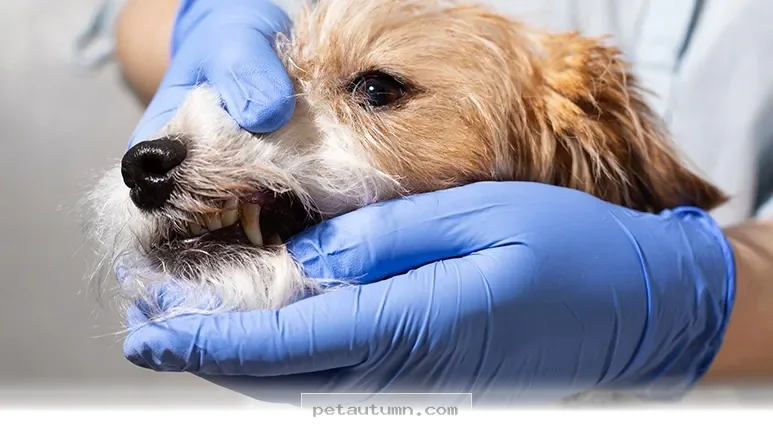
Taking the time to inspect your dog’s mouth every week is a simple habit that makes a massive difference. By staying observant and catching these issues early, you are directly contributing to a longer, more comfortable life for your best friend.
If you ever feel uncertain about what you see during a home check, do not hesitate to contact your veterinarian. It is always better to have a quick checkup for peace of mind than to let a painful infection linger.

Dog care writer at petautumn.com. Visual Communication Design graduate (S.Ds) from Universitas Udayana. Covers dog breeds, behavior, training, and gear reviews. Dog dad to Meepo. Based in Austin, Texas.